1. Structural Material Transition: Vinyl & Timber vs. Thermal Break Aluminum
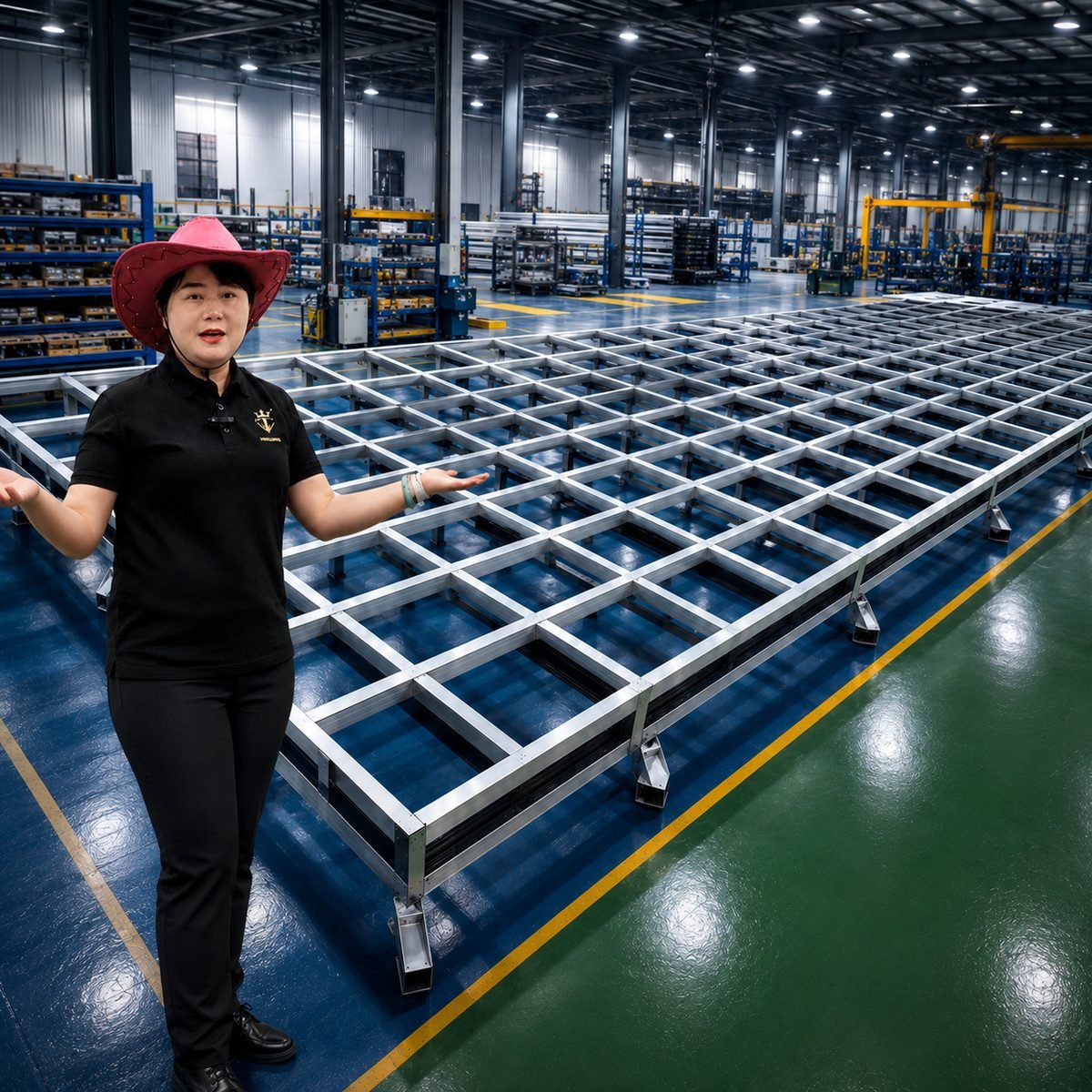
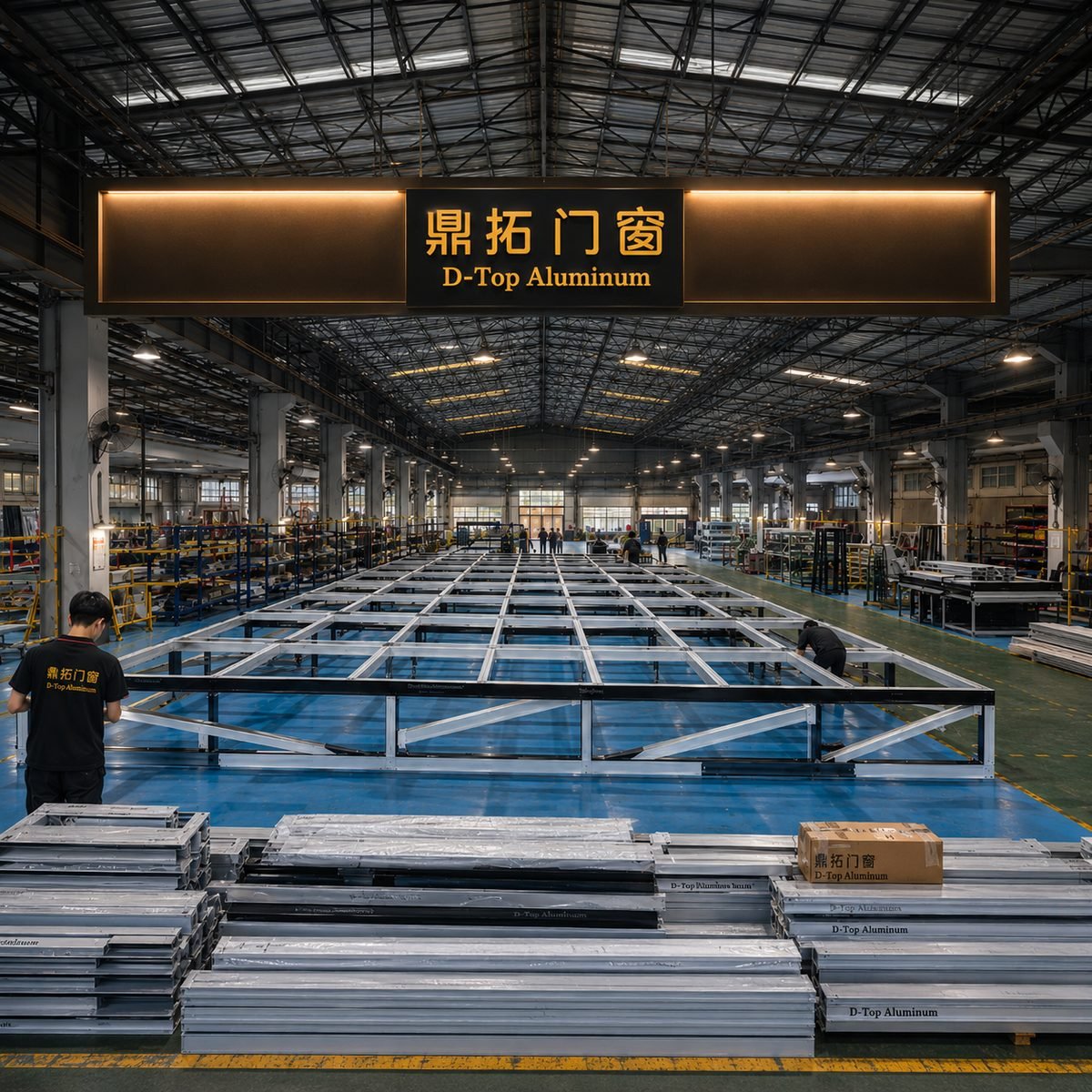
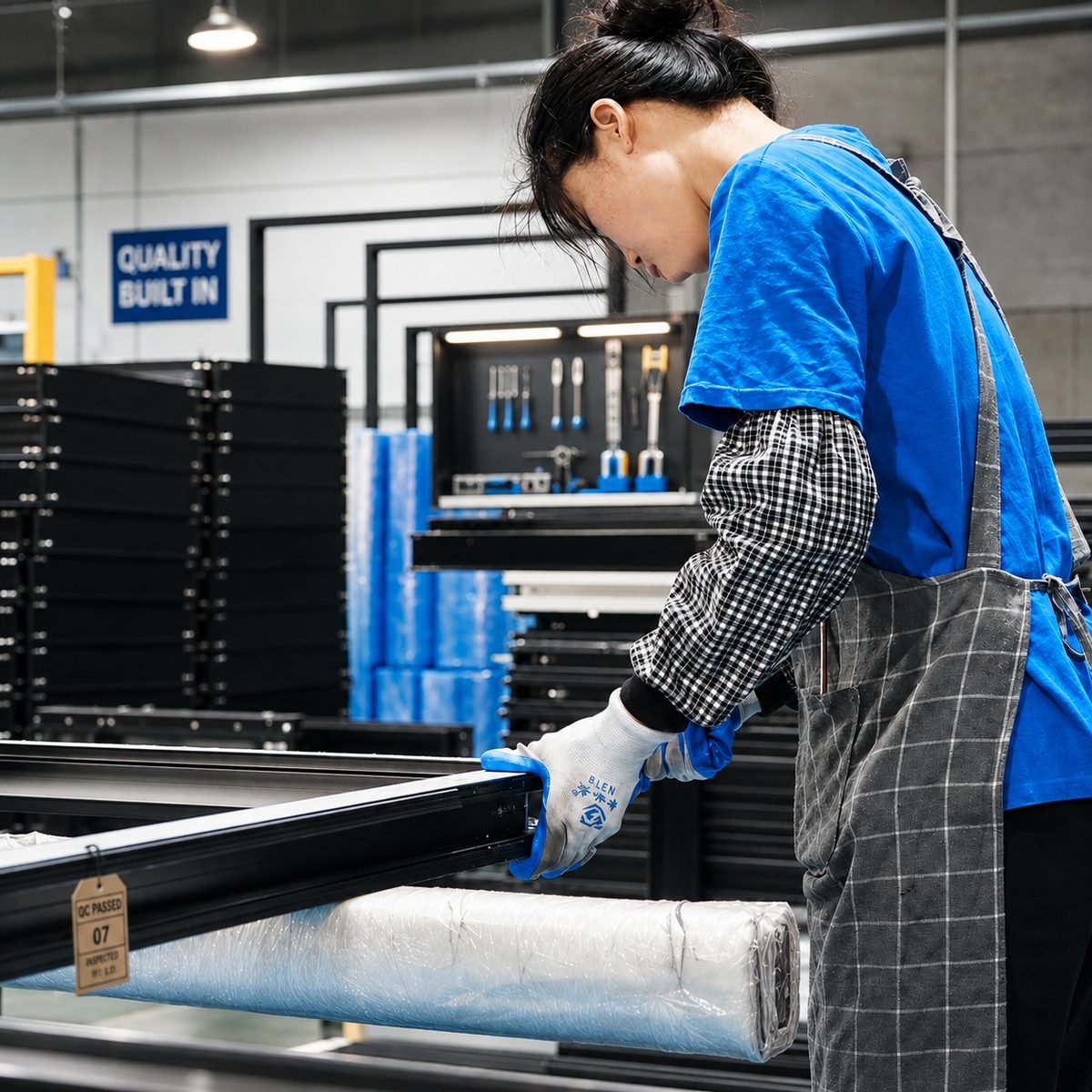
Historical hand crank windows produced during the mid-20th century relied heavily on unreinforced vinyl (uPVC) or painted wood frames. While timber provided initial insulation, exposure to moisture caused frame swelling, leading to sash jamming, gear binding, and rot. Vinyl frames suffered from thermal expansion and UV degradation, causing long sashes to bow under sun exposure and leading to air leaks around the crank mechanism. Modern American Style Hand Crank Windows manufactured by Fortor Security Door Co., Ltd. utilize structural extruded aluminum alloy (6063-T5) insulated with structural polyamide (PA66-GF25) thermal struts. This combination maintains absolute dimensional stability, zero frame twisting, and lifelong smooth gear operation even under high temperature differentials.
2. Rotary Mechanism & Hardware Engineering
Early hand crank designs featured exposed single-arm operators that concentrated mechanical stress on a single point of the sash, leading to corner sagging over time. Advanced American-style crank systems now utilize dual-arm scissor operators, torque-balanced rotary worm gears, and stainless steel tracks. Die-cast zinc housings with powder-coated rustproof finishes protect internal worm gears from salt spray corrosion. Modern folding low-profile handles nest flush against the window sill, eliminating conflict with interior blinds, shutters, or drapes while maintaining high gear ratio leverage (typically 12:1 to 16:1 ratio for low operating torque).
3. Sealing Mechanics & Thermal Energy Innovation
Unlike sliding windows that slide across friction brush seals, crank windows open outward and seal via perpendicular compression. When the single-lever multi-point lock handle is engaged, internal drive bars push stainless steel roller locks into heavy-duty keepers located along the frame perimeter. This mechanical force compresses continuous EPDM (Ethylene Propylene Diene Monomer) gasket loops at three distinct sealing planes (outer rain baffle, central thermal barrier, inner acoustic seal). Paired with double or triple insulated glass units containing Argon gas and Low-Emissivity (Low-E) coatings, current systems achieve U-factors as low as 0.20 BTU/h·ft²·°F (R-value 5.0).