Thermal Break Casement Windows: Engineering Specifications & Global Procurement Guide
Direct factory engineering solutions for commercial developers, architects, and importers seeking certified thermal insulation, air tightness, and structural wind load compliance.
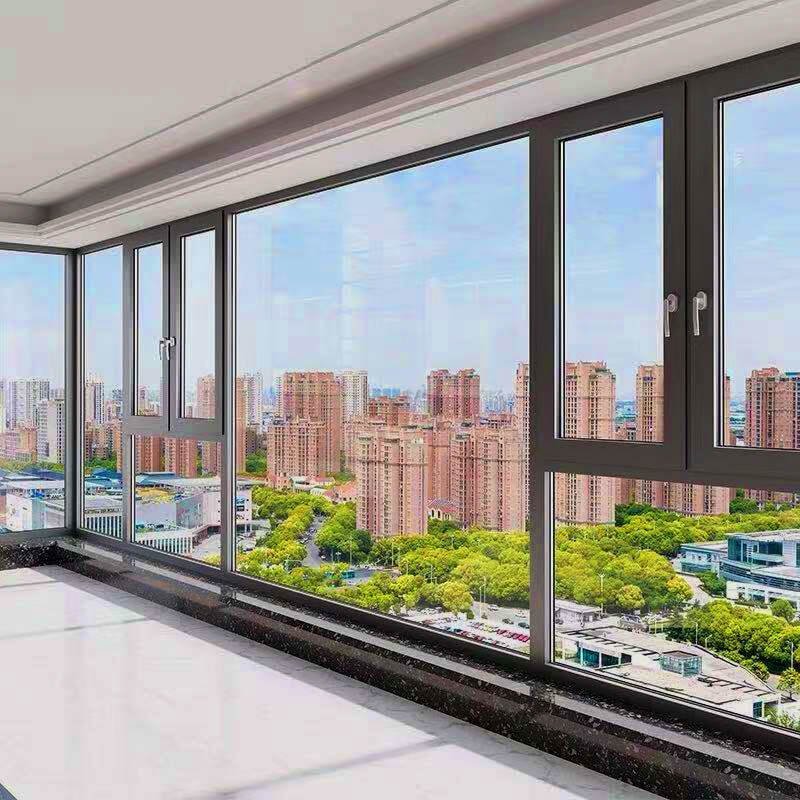
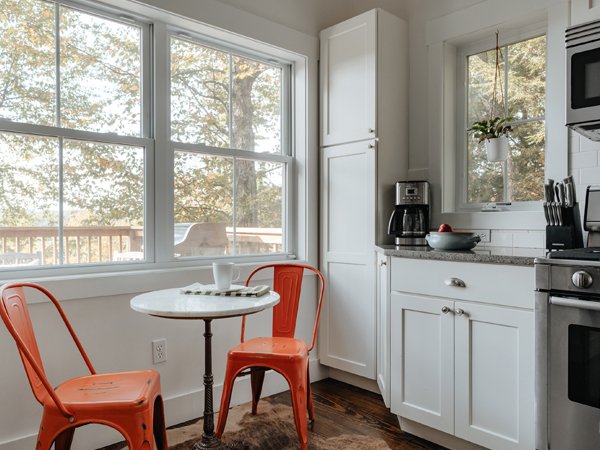
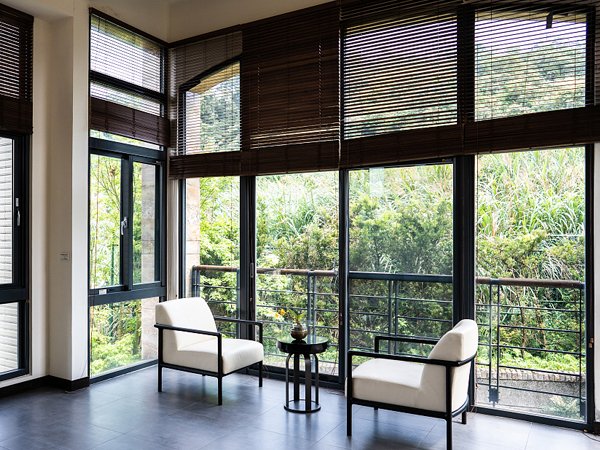
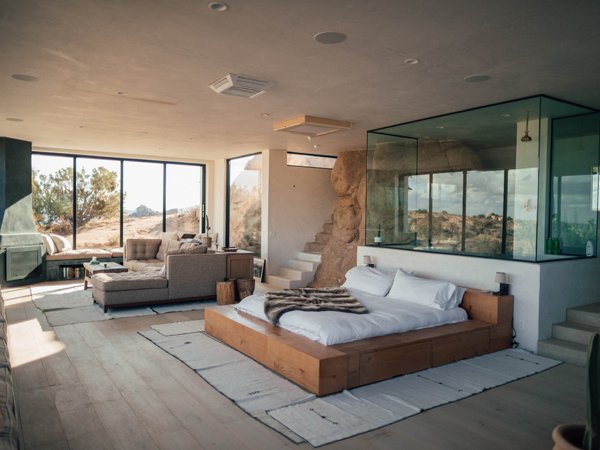
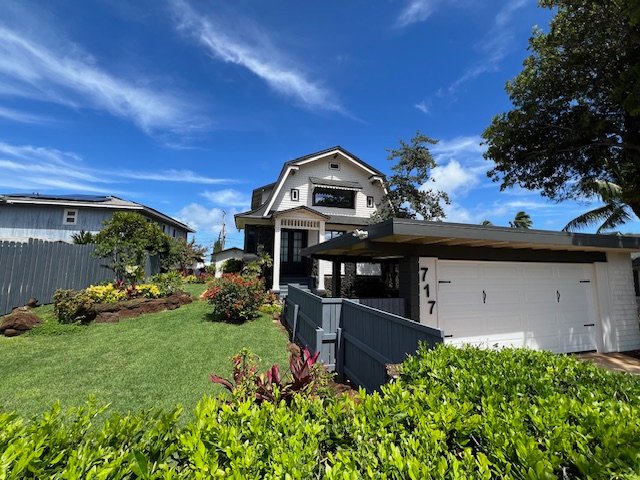
Energy-efficient thermal break window packages tailored for luxury villas and custom residences.
Facade Architects
Comprehensive CAD details, BIM models, and custom profile extrusions for complex facades.
General Contractors
Reliable production schedules, pre-assembled hardware, and direct container delivery.
Commercial Importers
OEM/ODM wholesale solutions complying with NFRC, AS 2047, and CSA thermal standards.
Fenestration Dealers
Exclusive dealership support with protected regional territory rights and sample kits.
Engineering Insight & Information Gain
Understanding Thermal Break Technology: Structural Thermodynamics & Energy Efficiency
When commercial buyers and architectural specifiers evaluate Thermal Break Casement Windows, the primary technical intent centers on interrupting thermal bridging without compromising structural rigidity. Standard aluminum frames, while durable and lightweight, feature high thermal conductivity (K-value ≈ 160 W/m·K). In modern high-performance building envelopes, an uninsulated aluminum frame acts as a major energy loss vector, leading to interior condensation, mold growth, and excessive HVAC energy usage.
At Fortor Security Door Co., Ltd., our engineering team utilizes high-density, glass-fiber reinforced polyamide thermal barrier strips (PA66 GF25). By structurally crimping PA66 insulation strips between the inner and outer extruded aluminum chambers, thermal conductivity across the frame profile is reduced to under 0.2 W/m·K. This mechanical separation preserves the structural integrity required for large architectural glass sashes while maintaining compliance with stringent global energy codes like the US ENERGY STAR®, Canadian CSA A440, and Australian National Construction Code (NCC).
Superior U-Factor RatingsAchieves whole-window U-factors down to 0.22 BTU/h·ft²·°F (1.25 W/m²K) using triple Low-E argon-filled glazing.
Multi-Stage Compression SealingTriple-layer EPDM weatherstripping gaskets ensure zero water ingress under severe wind-driven rain testing (up to 700 Pa).
High Structural Wind Load LoadingsHeavy-wall 6063-T6 aluminum alloys withstand design pressures exceeding 5000 Pa for coastal and high-rise applications.
Acoustic Insulation (STC/OITC)Multi-chambered profile geometry paired with asymmetric acoustic laminated glass achieves STC ratings up to 45 dB.
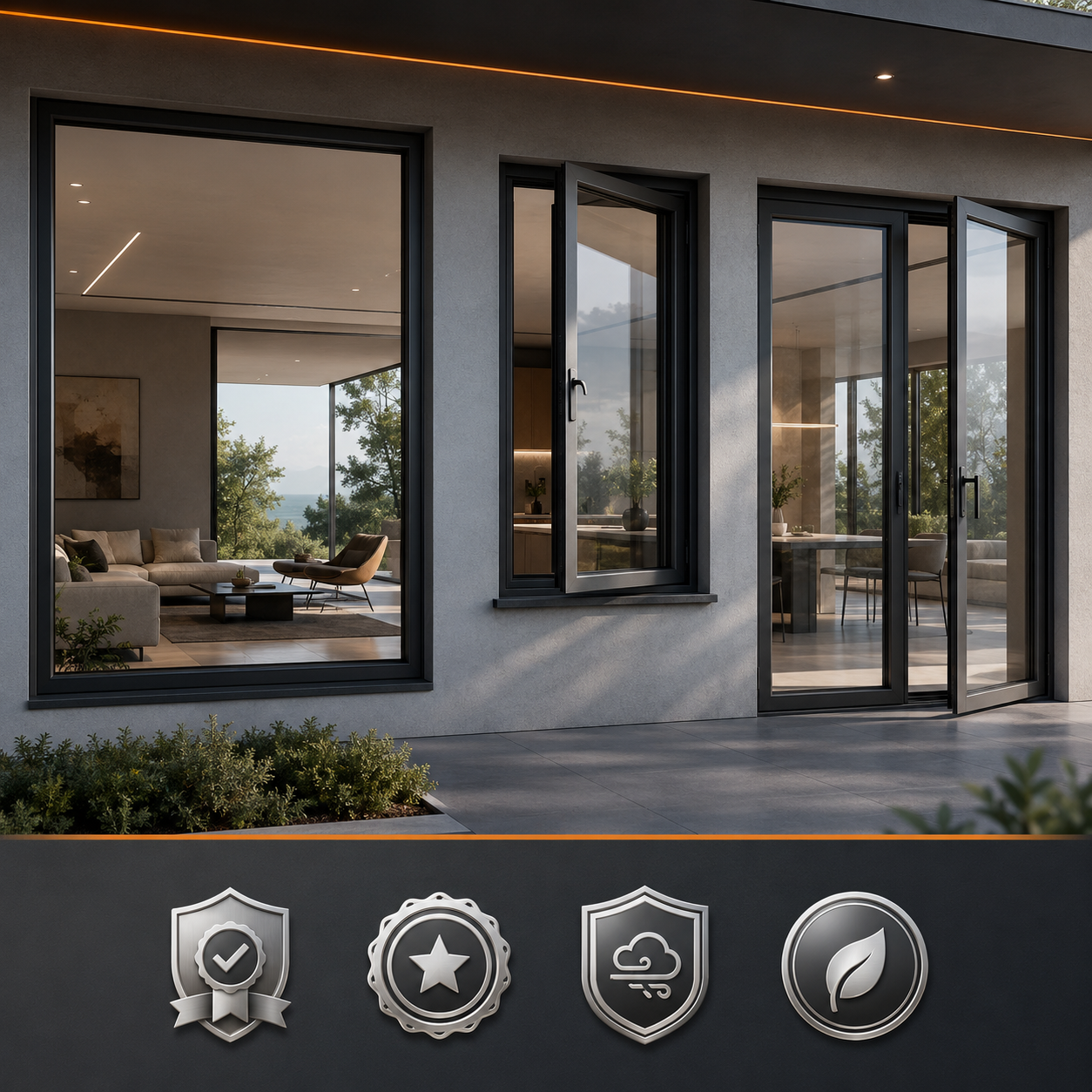
NFRC CertifiedAS 2047 CompliantCSA A440 TestedENERGY STAR PartnerAAMA 101/I.S.2ISO 9001:2015
High-Performance Thermal Break Casement Window Series
Engineered to satisfy diverse climate requirements, structural load demands, and architectural design intents across global markets.
Series 75
Series 75 Architectural Casement Window
Designed for mid-rise commercial buildings and luxury residential developments. Features a 75mm system depth, integrated flyscreens, and multi-point locking points for high security and balanced thermal efficiency.
Dual-functionality engineering offering micro-ventilation in tilt mode and full opening in turn mode. Exceptional weather sealing with PA66 thermal breaks and continuous vulcanized EPDM gaskets.
Our flagship ultra-insulated system utilizing multi-chambered 95mm profiles, aerogel-filled thermal cavities, and warm-edge spacers to achieve Passive House performance metrics in extreme climates.
Specifically designed for North American residential requirements. Features smooth Truth Hardware roto-gear operators, concealed multi-point lock bars, and heavy-duty stainless steel friction hinges.
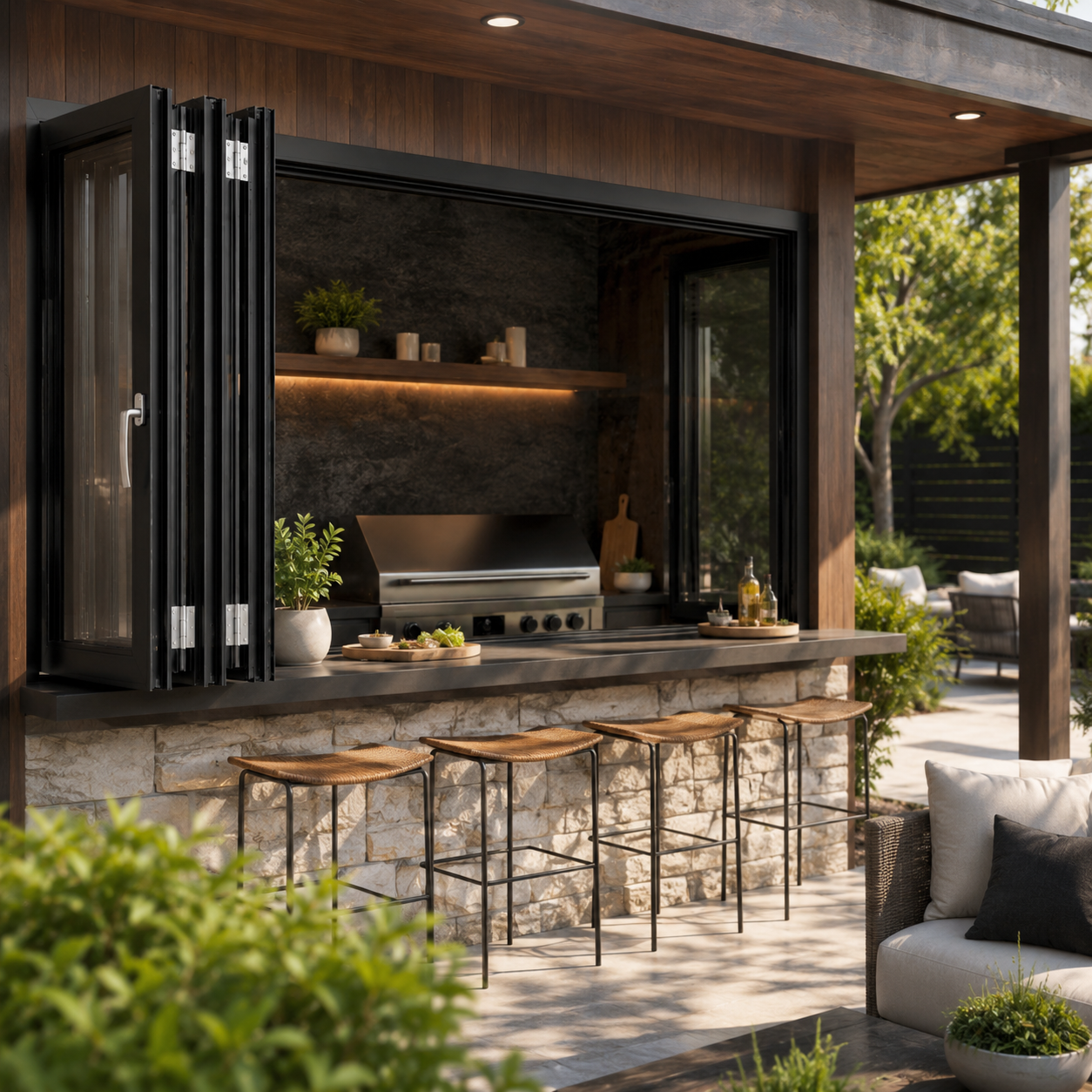
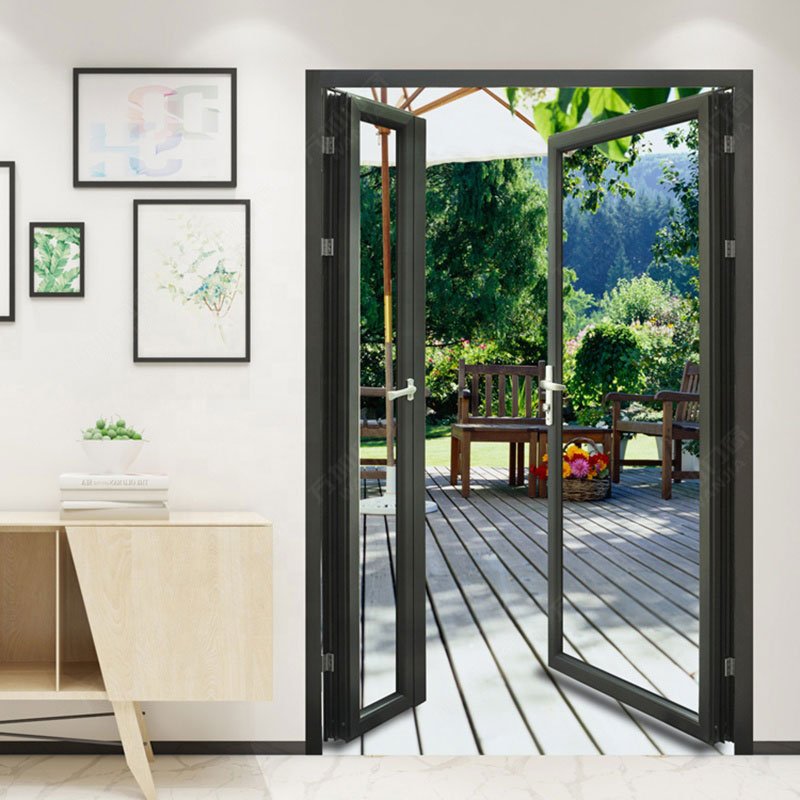
Features a floating mullion design allowing both sashes to open completely outward without a center vertical post, maximizing unobstructed daylight views and emergency egress width.
Engineered for seamless integration into structural glass curtain walls and commercial store front facades. Concealed exterior sashes maintain a flush glass aesthetic across the elevation.
We offer extensive customization across profile depths, structural wall thicknesses (1.4mm to 2.2mm for architectural grade), thermal strip widths, and specialized anodized or fluorocarbon (PVDF) surface treatments.
Global Procurement Trends: What B2B Buyers Need to Know for 2026 & Beyond
The international window and door procurement landscape is undergoing a structural transformation driven by stricter energy regulations, supply chain consolidation, and advanced manufacturing automation.
01
Stringent Energy Decarbonization Mandates
Governments across North America, Europe, and Oceania are adopting net-zero carbon building mandates. Procurement directors must prioritize thermal break casement windows with verified U-factors under 0.24 BTU/h·ft²·°F to satisfy upcoming code revisions.
02
Shift from Assembly Trading to Direct Factory Engineering
Importers are bypassing middle-man trading houses in favor of direct manufacturer partnerships like Fortor Security Door Co., Ltd. Direct factory engagement ensures strict quality oversight, faster shop drawing approvals, and custom aluminum die extrusions.
03
Demand for Multi-Hazard Performance (Impact & Wind Load)
Climate volatility has elevated demand for hurricane-impact rated casement sashes. Global buyers are specifying heavy-duty multi-point stainless steel hardware combined with SentryGlas® interlayer laminated glass to resist cyclonic debris.
Product R&D Horizons
Design & Technology Innovations in Thermal Break Windows
How modern fenestration design combines ultra-narrow sightlines, smart actuation, and sustainable material lifecycles.
Key Technological Innovations Shaping the Future
Modern architectural trends favor expansive glass areas and minimal frame exposure without compromising structural or energy performance. At Fortor, our product design roadmap focuses on four key pillars:
Minimalist & Concealed Sash EngineeringReducing visible frame sightlines down to 45mm, creating a clean flush visual while embedding multi-chamber thermal breaks internally.
Smart Home Actuation & Automated VentilationIntegrating motorized concealed chain winders connected to building management systems (BMS) for automatic climate and smoke extraction control.
Low-Carbon Recycled Aluminum & Eco CoatingsUtilizing certified recycled aluminum billets extruded using clean hydropower, finished with VOC-free powder coatings that meet AAMA 2605 durability.
Concealed Hinge Systems with High Load CapacityHeavy-duty concealed friction hinges capable of supporting sash weights up to 180 kg without sagging over decades of use.
Inside Fortor Security Door Co., Ltd.: Manufacturing Excellence
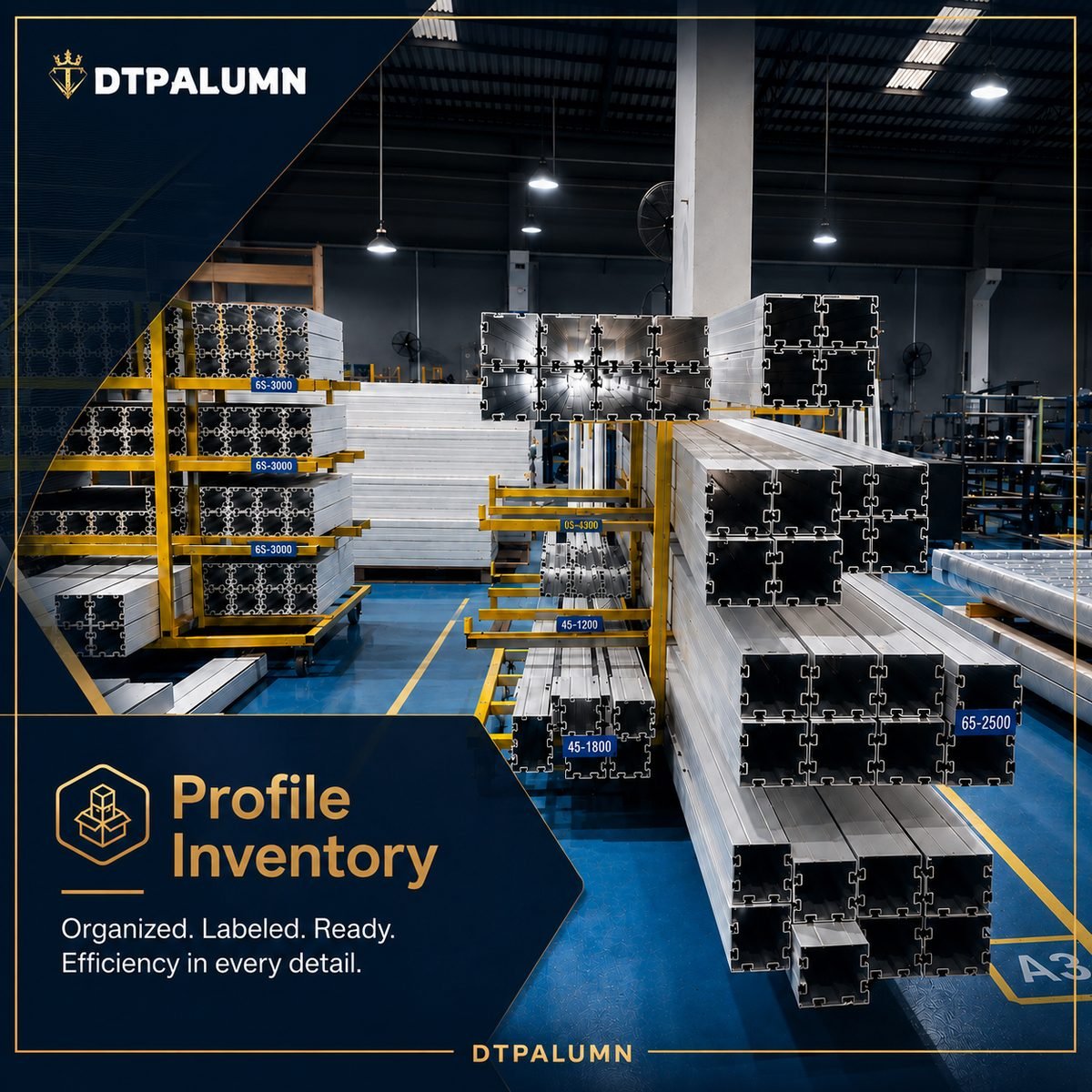
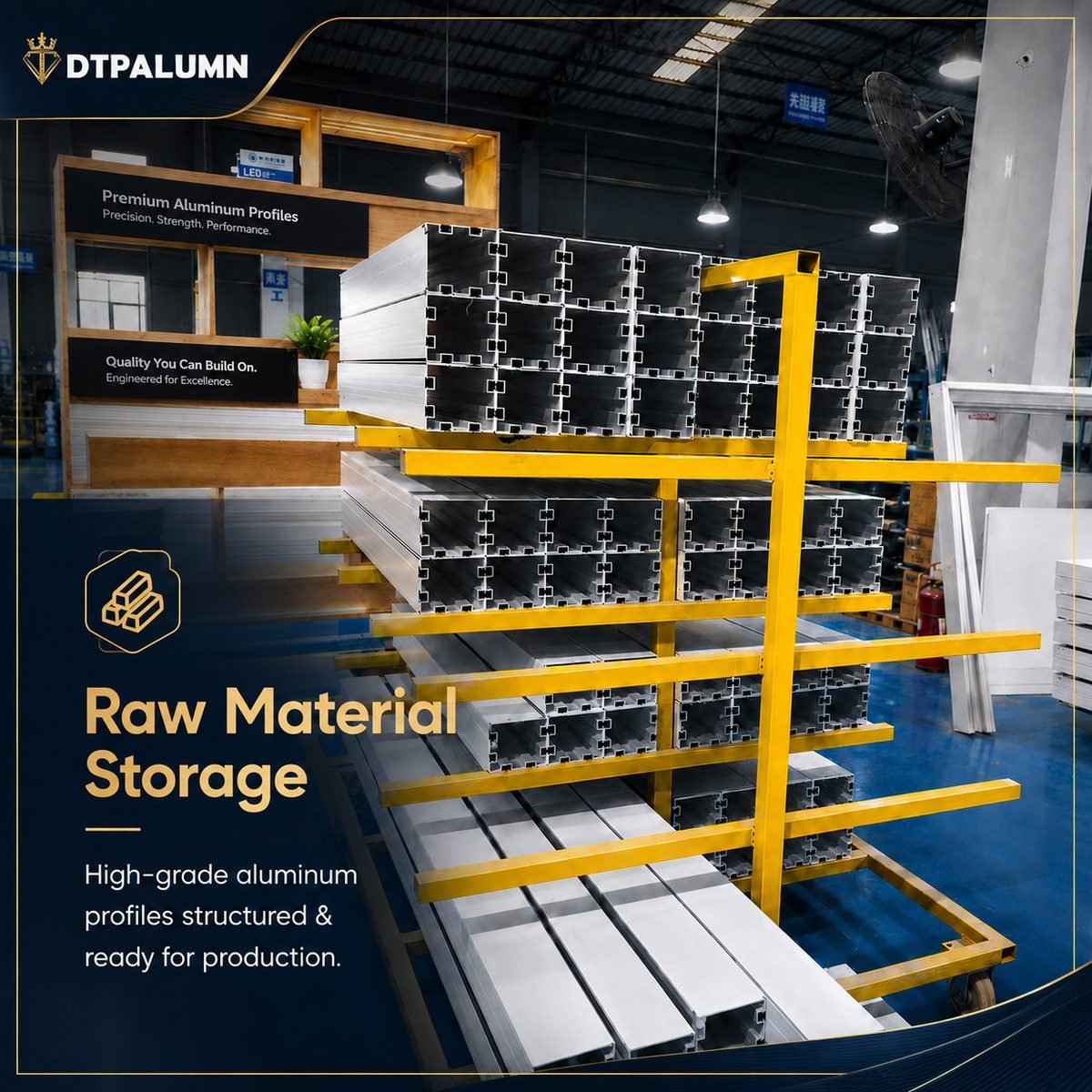
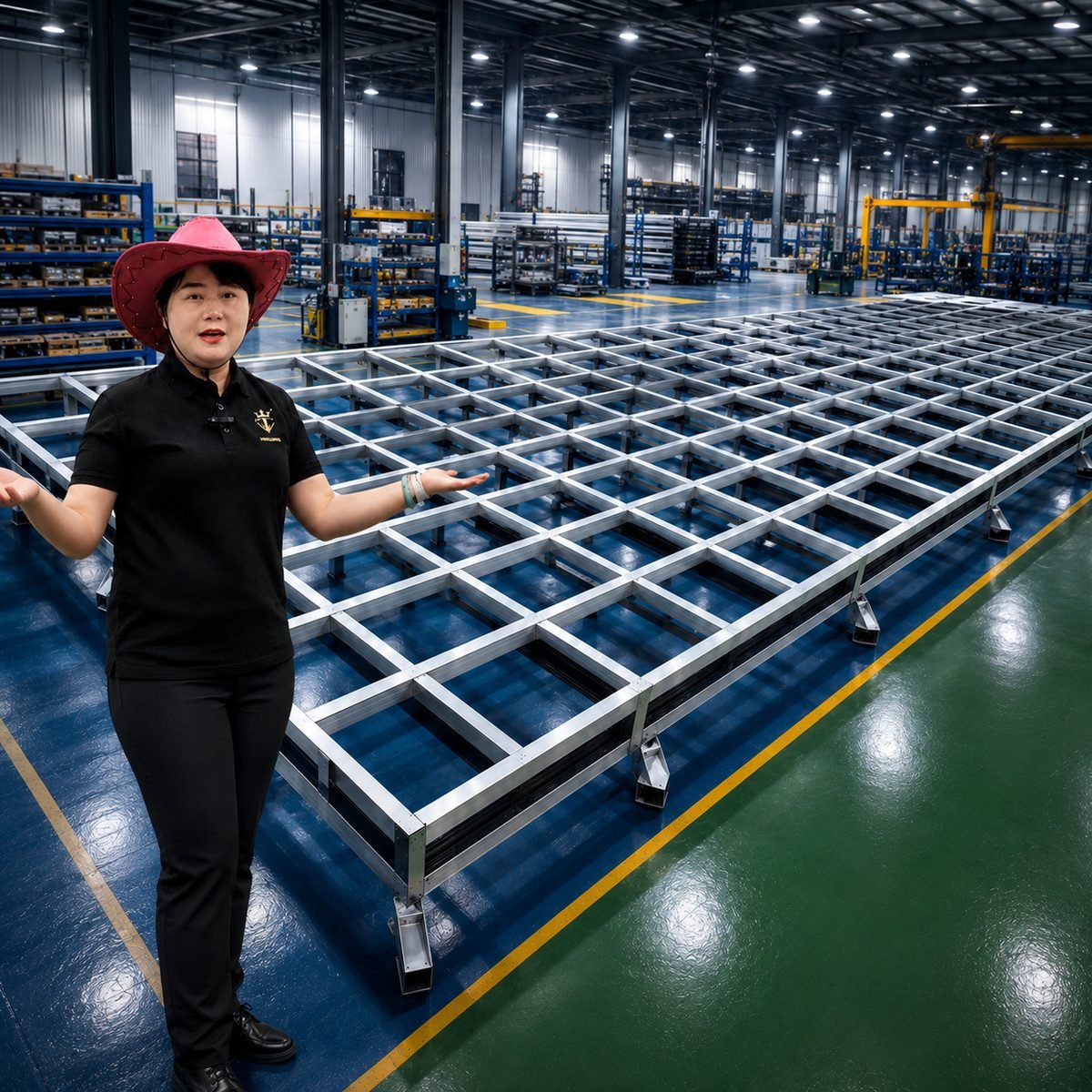
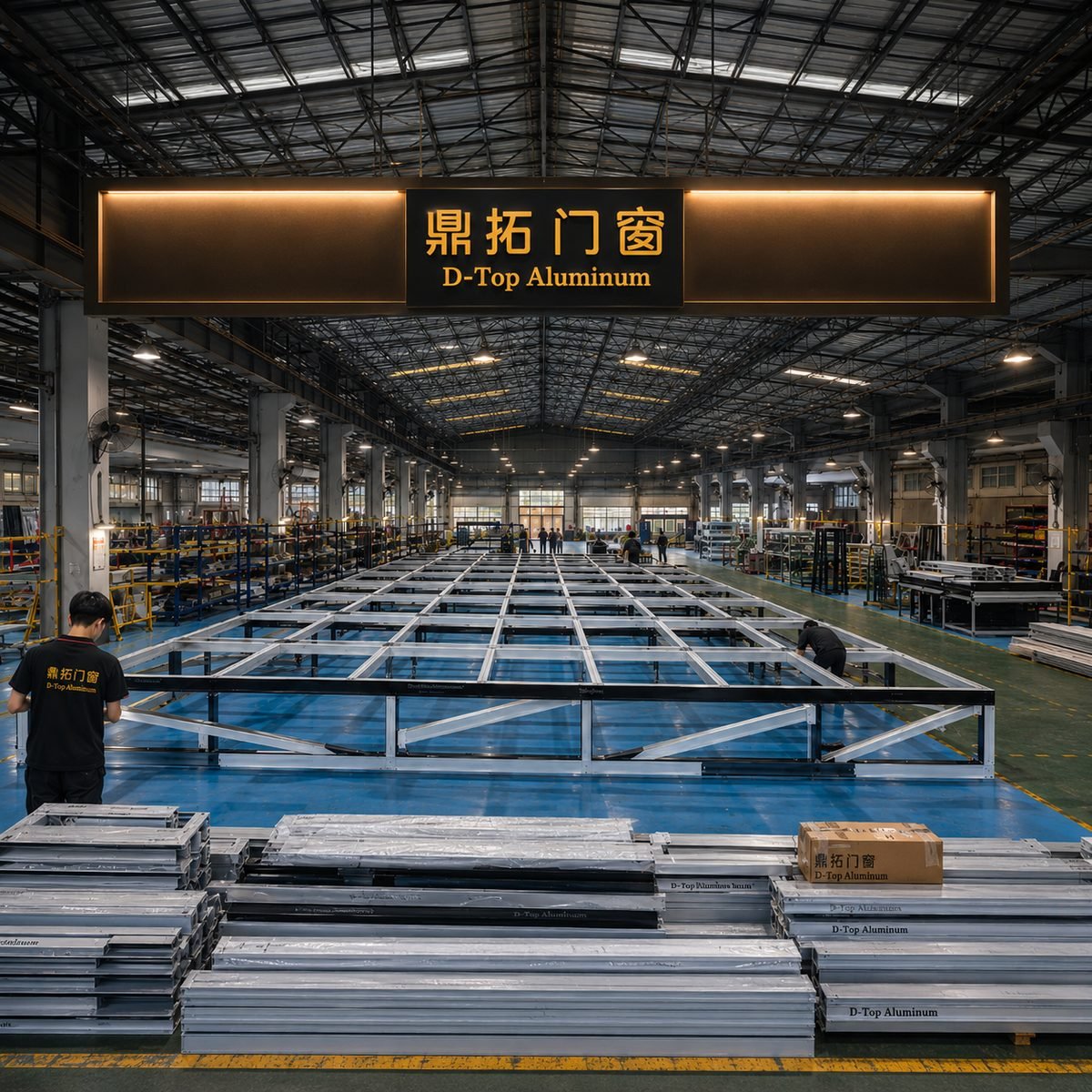
With over 17 years of specialized manufacturing experience, our 20,000 square meter production complex in Guangdong, China guarantees precision engineering and international delivery reliability.
20,000㎡Factory Base
17+Years Experience
100%Pre-Ship Testing
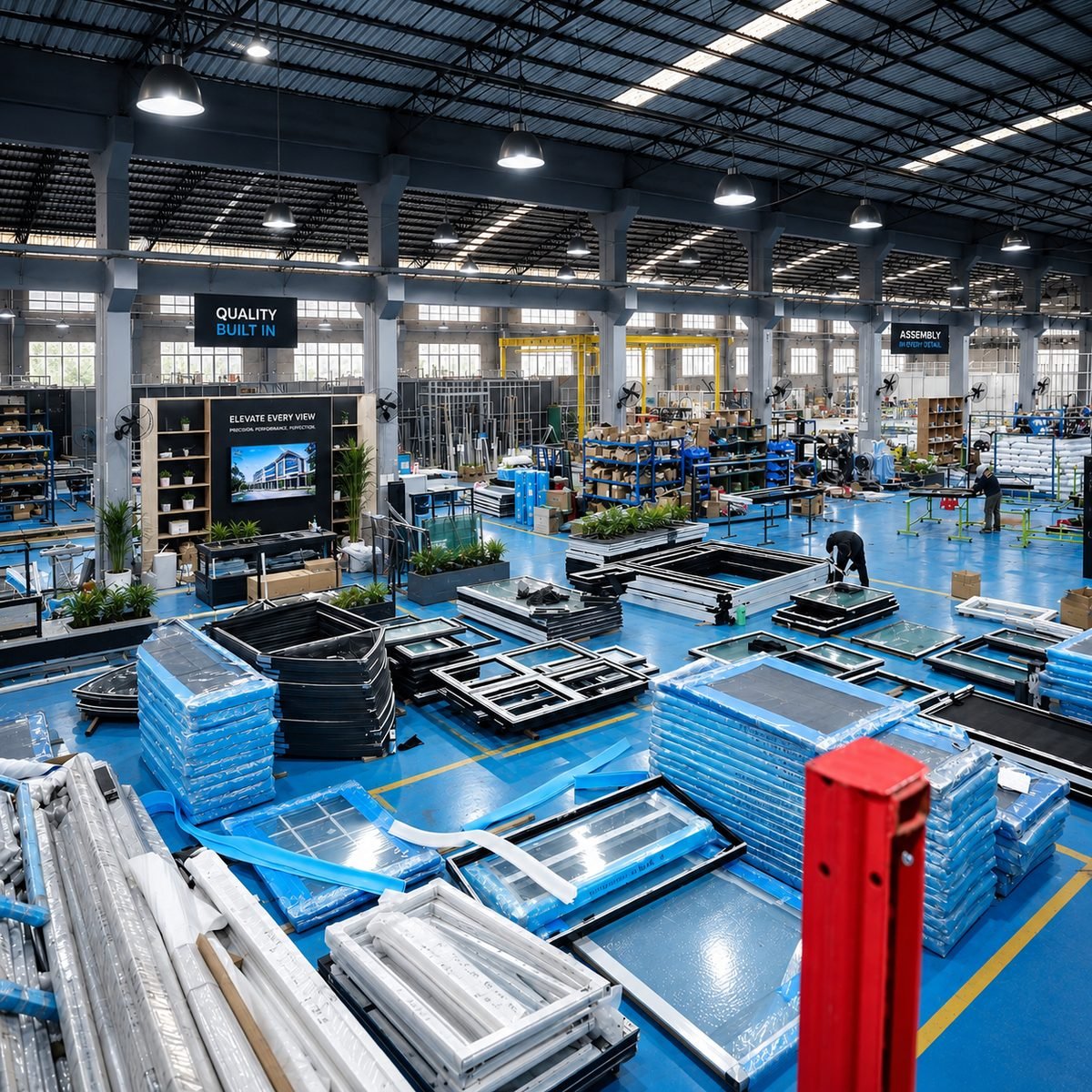
20,000㎡ Manufacturing BaseState-of-the-art aluminum fenestration production hub in Guangdong, China.Precision Window AssemblyDedicated assembly lines with rigorous quality control checkpoints.German CNC MachiningTolerances controlled within 0.1mm for perfect corner joint crimping.100% Quality InspectionEvery sash is tested for smooth operation and seal compression before packing.Protected Export ShippingMulti-layer protective packaging for safe transit across 30+ countries.
Technical Comparison
Selecting the Right Thermal Break Window Profile Depth
Use our engineering benchmark table to compare system performance parameters across our key thermal break casement series.
Water penetration, air leakage, and hardware operation checks conducted on 100% of order items.
Container Loading & Logistics Support
Custom crate packing, ocean freight booking, export documentation, and local unloading guidance.
Proven Overseas Track Record
Featured Global Projects & Regional Fenestration Solutions
Fortor Security Door Co., Ltd. delivers certified window systems for high-end residential, resort, and commercial applications worldwide.
Featured Case Study · Coastal Resort
Caribbean Coastal Villa Resort Fenestration Project
Engineered for hurricane wind pressures, salt mist corrosion, and heavy tropical rain. The project incorporated Series 80 heavy-wall thermal break casement windows with SentryGlas® impact laminated low-E glazing.
What is a Thermal Break Casement Window and how does it work?
A Thermal Break Casement Window utilizes a reinforced polyamide (PA66 GF25) barrier strip placed between the interior and exterior aluminum profile chambers. This non-conductive thermal barrier interrupts heat transfer through the aluminum frame, dramatically lowering overall U-factors, eliminating interior condensation, and optimizing HVAC energy efficiency.
Why are global procurement managers prioritizing Thermal Break Casement Windows over standard sliding systems?
Global building codes, such as IECC in North America and NCC in Australia, require strict energy compliance. Thermal break casement windows offer superior compression sealing compared to sliding windows, reaching air tightness down to 0.05 cfm/ft² and thermal insulation performance that meets ENERGY STAR, NFRC, and AS 2047 standards.
What certifications do Fortor thermal break casement windows hold for international projects?
Fortor Security Door Co., Ltd. engineers casement window series tested against NFRC, AS 2047, CSA, and ENERGY STAR program criteria. We provide complete structural engineering calculations, water penetration test reports, and air infiltration metrics to support municipal permit applications and commercial tenders.
Can Fortor customize window profile depths, glass configurations, and hardware brands for OEM orders?
Yes. Every order manufactured in our 20,000㎡ factory is fully custom-built. Buyers can specify profile depths (75mm, 80mm, 95mm), glass specs (double/triple pane Low-E with argon fill, laminated impact glass), powder coating or anodized finishes (AAMA 2604/2605), and German-engineered hardware like Siegenia, Hoppe, or Sobinco.
What is the typical production lead time and logistics protection for containerized shipping?
Standard manufacturing lead time is 25 to 35 days following CAD shop drawing approval. All windows undergo 100% pre-assembly inspection before receiving protective PE film, corner guards, waterproof wrapping, and fumigated solid wooden crate packaging designed for ocean freight stability.
How does Fortor support local installation for architectural developers and contractors?
We provide extensive shop drawings, 3D installation node details, labeled frame numbering, and video technical support. Additionally, our established US showroom in Hayward, CA, alongside regional distributor networks in North America, Australia, and the Caribbean, offers localized project support.
How does thermal break window pricing compare between direct factory ordering and local suppliers?
Direct procurement from Fortor Security Door Co., Ltd. typically yields a 30% to 50% cost advantage on premium thermal break aluminum sashes compared to local distributors in Western markets, even after accounting for ocean freight and customs duties. Our scale as a 20,000㎡ direct manufacturer enables bulk raw material pricing without distributor markups.
What maintenance is required for thermal break casement hardware in marine environments?
For coastal and marine installations, we recommend 316-grade stainless steel multi-point locking bars and friction hinges combined with fluorocarbon (PVDF) profile finishes. Routine maintenance simply involves cleaning dust from the EPDM weather seals with fresh water every six months and applying silicone spray lubricant to pivot mechanisms once per year.
Contact Fortor Technical Team
Direct Factory Engineering & Quotation Support
Have an upcoming project blueprint or window schedule? Connect with our engineering team for instant technical feedback, shop drawings, and wholesale price breakdowns.