Fortor Security Door Co., Ltd. · Factory-direct aluminum doors, windows & sunrooms for B2B buyers in 30+ countries

info@fortordoor.com EN
0%

Choosing the right Aluminum Residential Door in 2026 starts with how your home is used, not with a trend. A front entrance faces different demands from a patio opening or a narrow side door. Hinged doors provide a familiar entry and suit many homes. Sliding doors save swing space and can connect a living room with a garden. Folding doors open a wider passage, but need room for their panels to stack. Each option has trade-offs. A slim frame may look elegant, yet appearance alone cannot tell you how comfortable or durable the door will be.

This guide compares door types by space, daily use, glazing, hardware, and thermal performance. It also explains why installation quality matters: gaps around a frame can undermine comfort, even when the door itself is well made. Ask about the frame construction, finish, weather seals, locking hardware, and available service support. Check product specifications for your local climate rather than relying on broad claims. Small details matter. A handle used with wet hands or a sliding track that collects dust can shape everyday satisfaction. There is no perfect choice. A folding system may suit a wide garden opening but feel excessive in a compact room. The best Aluminum Residential Door is the one that fits your layout, priorities, and maintenance expectations—and that judgment deserves a little thought.
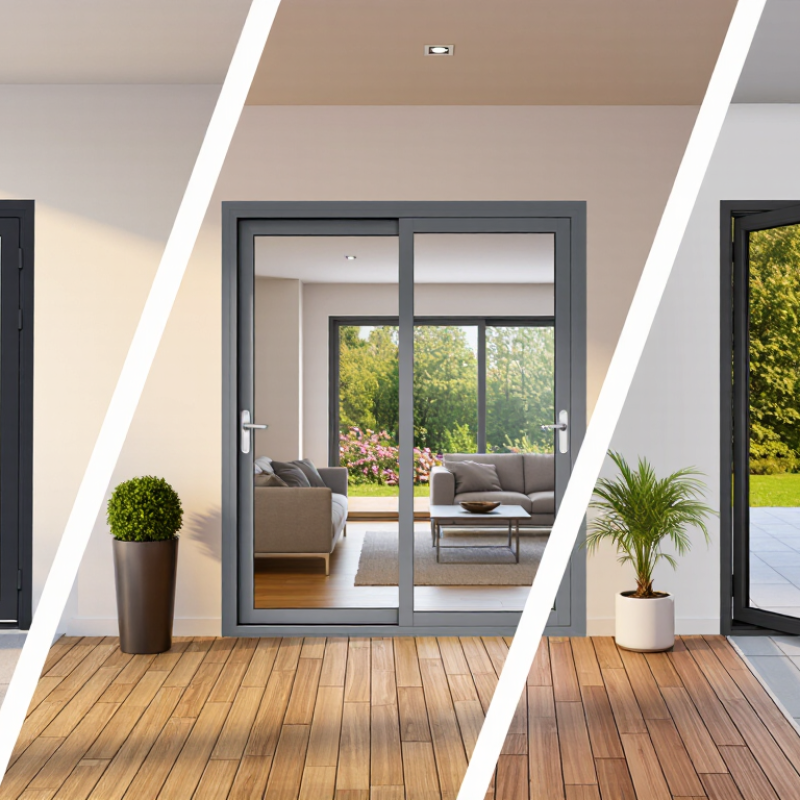
Which Aluminum Residential Door Type Is Best in 2026?

What Defines an Aluminum Residential Door Type in 2026?

In 2026, an aluminum residential door type is defined by more than its appearance. Frame construction, glazing, seals, and tested performance all matter. Entry doors, sliding patio doors, and multi-panel systems face different weather exposure and daily use. Aluminum is strong and corrosion-resistant, but it also conducts heat readily. Thermal breaks add an insulating barrier between the frame’s inner and outer sections. Ask whether that barrier continues through the jamb and threshold. Small details matter. An NFRC label helps compare U-factor and solar heat gain coefficient, where applicable. These ratings describe performance, not a universally best design.

The U.S. Department of Energy’s Energy Saver guidance estimates that windows account for 25–30% of residential heating and cooling energy use. That figure concerns windows, not doors, but it highlights why the whole building envelope deserves attention. For a door, check its tested air leakage, water penetration, and structural performance alongside thermal ratings. A high-performing slab can still disappoint if installation leaves gaps beneath the threshold or around the frame. That is easy to overlook. Climate, orientation, and whether the door faces a sheltered porch also change what matters most. A little awkward, but true: the best-defined type is the one specified for its actual opening, not just its catalog description.

Which Main Aluminum Door Types Are Available for Homes?

Aluminum residential doors come in several practical types. Hinged doors are the familiar choice for front, side, and patio entrances. They open inward or outward and can provide a solid seal when the frame, weatherstripping, and installation are properly matched. Sliding doors move along a track, making them useful where a swinging panel would block furniture or a narrow walkway. Large glass panels also bring daylight indoors, though privacy and solar heat deserve attention.

Folding doors use multiple panels that stack to one side, creating a broad opening to a deck or garden. They need enough clear wall space and careful track maintenance. Pivot doors rotate on offset hardware, offering a distinctive entry and accommodating wide panels, but their weight and clearances require thoughtful planning. The trade-off is real. No type suits every home; opening size, local climate, accessibility needs, and daily use all matter.

Tips: Check the sill height, drainage details, and hardware before choosing a style. In windy or rainy locations, ask a qualified installer how the door assembly resists air and water. Compare glass options, too. A beautifully wide opening can feel less comfortable if afternoon sun overheats the room.

How Do Aluminum Door Types Compare in Performance and Cost?

Aluminum residential doors vary more by layout and hardware than by frame material alone. A hinged door often provides a straightforward seal and moderate hardware cost, but it needs clear swing space. Sliding doors preserve floor area and suit patios, though their tracks need regular cleaning. Small grit can make them drag.

Bifold doors open a wider passage, useful when connecting a room with a garden. They usually involve more panels, hinges, and careful installation, so the total cost can rise. More joints also mean more places where air or water may pass if seals are poorly fitted. Wider openings are not automatically better.

For comfort, compare the complete assembly: thermal-break frames, glazing, weather seals, and installation quality. Double glazing can reduce heat transfer, but results depend on the glass and local climate. Ask for whole-door performance data, not just frame claims. Details matter. A low purchase price may lose its appeal if the door leaks or needs adjustment soon. Even careful comparisons have limits; showroom samples cannot reproduce wind, rain, or daily use at home.

Which Aluminum Residential Door Type Is Best in 2026? How Do Aluminum Door Types Compare in Performance and Cost?

Typical characteristics and broad U.S. installed planning-cost ranges. Actual prices and performance depend on dimensions, glazing, hardware, installation conditions, and location.
Door Type Typical Application Performance and Practical Considerations Thermal Performance Typical Installed Cost (USD) Best Suited For
Hinged entry door Main entrance or side entrance; usually one operable leaf, with optional sidelights. Provides a straightforward, weather-sealed entry when correctly installed. Security depends on the frame, lock, hinges, glazing, and installation—not the door material alone. Can perform well with insulated glazing or an insulated panel and a thermally broken frame. Check the complete unit’s rated U-factor. $1,000–$3,500 Most homes needing a conventional, space-efficient exterior entrance.
Sliding patio door Patio, deck, or garden access; one or more panels slide along a track. Does not require swing clearance and suits wide openings. Track cleanliness, rollers, weather seals, and panel alignment affect smooth operation and air or water resistance. Glazing makes up much of the door area, so glass specification and frame thermal breaks matter. Compare rated U-factor and air-leakage data. $1,500–$5,000 Rooms where an unobstructed floor area and broad outdoor views are priorities.
French or double hinged door Patio or garden opening with two hinged leaves; one or both leaves may open. Creates a wide opening but needs swing clearance. The meeting point between the leaves and the perimeter seals require careful adjustment for weather resistance. Performance varies with panel construction, glazing, frame design, and seals. A thermally broken frame can reduce heat transfer through aluminum. $2,000–$6,000 Homes seeking a traditional double-door appearance and a wide passage when both leaves are open.
Bi-fold door Large patio or garden opening; multiple panels fold and stack to the side. Opens a large portion of the wall, but has more hardware, joints, and seals than simpler door systems. Installation, adjustment, and maintenance are especially important. More panel edges and seals can make whole-unit performance sensitive to design and installation. Review rated product data rather than judging by frame material alone. $4,000–$10,000+ Large openings where a wide, largely unobstructed connection to the outdoors is a priority.
Pivot door Statement entrance with a large leaf rotating on pivot hardware rather than conventional side hinges. Allows oversized designs, but needs suitable structural support and precise hardware installation. The opening and sealing details should be assessed for the local climate. Depends strongly on leaf construction, glazing, perimeter seals, and frame design. Request whole-unit thermal and air-leakage ratings where available. $2,500–$7,500+ Custom entrances where a distinctive oversized door is more important than minimizing cost.

How to compare: These are broad planning estimates, not quotations, and may exclude structural changes or unusual finishes. For energy performance, compare the complete door’s certified U-factor (lower is generally better) and air-leakage rating; ratings vary by product configuration and region. Aluminum is naturally conductive, so thermally broken frames and suitable glazing are important in temperature extremes.

Which Aluminum Door Types Suit Different Homes and Climates?

Aluminum doors can suit many homes, but the best type depends on room layout, weather, and daily use. A hinged door works well at a main entrance when there is enough swing space and a sheltered threshold. Its simple opening can make weather seals easier to inspect. In a compact patio, a sliding door saves floor space and brings in daylight without blocking furniture. Measure twice.

Folding doors can create a wide opening between a living room and a garden. They need clear space for the panels to stack, and their tracks need regular cleaning. Leaves and grit can make operation rough. I would not choose this style just for the dramatic opening; in a small room, it may feel like extra hardware without enough benefit.

Climate matters as much as appearance. In cold or hot regions, look for thermally broken aluminum frames, well-fitted seals, and glazing suited to local sun exposure. These features can reduce unwanted heat transfer, though installation still matters. Coastal homes need finishes and fasteners designed to resist salt exposure. Check drainage details, too. A beautiful frame cannot fix water that has nowhere to go. I might choose a simpler hinged door over a large glass system if strong wind, shade, or upkeep makes the larger option impractical.

How to Select the Best Aluminum Door for Your Needs

Choosing the best aluminum residential door in 2026 starts with how you use the opening. A hinged door suits a main entrance where a firm seal and familiar operation matter. Sliding doors save floor space and work well beside patios, but need clear, clean tracks. Folding doors create a wider opening, though their panels require room to stack. Measure the opening and note nearby furniture before comparing styles.

Consider your local weather, too. In hot or cold climates, thermally broken aluminum frames can reduce heat transfer; glass choice and installation also affect comfort. Ask for the frame’s thermal details and check that the weather seals fit tightly. For security, examine the lock points, hinges, and how the frame is anchored. A sturdy-looking door is not automatically a well-installed one.

Small details matter. Open and close a sample, if possible, and notice whether the handle feels steady. Check how easily tracks and hardware can be cleaned or serviced. It is tempting to choose the largest glass area, but glare, privacy, and afternoon heat may change that decision. I would treat appearance as one factor, not the whole test. The right door balances access, performance, maintenance, and the way your household actually moves through the space.

FAQS

What defines an aluminum residential door type in 2026?

Its layout, frame construction, glazing, seals, and tested performance all matter. Appearance alone tells little.

What does a thermal break do?

It creates an insulating barrier between the frame’s inner and outer sections. Check whether it continues through the jamb and threshold.

Which performance details should I compare?

Compare U-factor and solar heat gain where applicable. Also check air leakage, water penetration, and structural performance.

Are hinged doors a good choice for an entry?

They often provide a straightforward seal and moderate hardware costs. They also need clear space to swing.

Do sliding doors work well for patios?

They save floor space and suit patio openings. Grit can collect in the tracks. Clean them regularly.

When might a bifold door make sense?

It can create a wide opening between a room and garden. Extra panels and hinges may raise costs and add sealing points. Wide isn’t always better.

Does double glazing guarantee better comfort?

It can reduce heat transfer, but results depend on the glass and local climate. Not always.

How much does installation affect door performance?

Gaps beneath the threshold or around the frame can undermine a strong door. I’d be cautious about judging from a showroom sample; wind and rain are different.

Conclusion

Choosing the best Aluminum Residential Door in 2026 depends on how you balance appearance, performance, and budget. Homeowners can consider hinged, sliding, folding, or other aluminum door styles, each offering different benefits for access, natural light, space efficiency, and everyday use. Comparing insulation, weather resistance, security features, maintenance needs, and overall cost can help narrow the options.

The right choice also depends on the home’s layout and local climate. A door exposed to strong sun, wind, or frequent rain may need different performance features from one used in a mild environment. Before selecting a style, assess the opening size, desired level of indoor comfort, available space, and budget. Matching these practical needs with the preferred appearance makes it easier to choose an aluminum door that suits the home over the long term.

Amelia

Amelia

Amelia is a marketing professional with a strong understanding of the products and services offered by our company. She regularly contributes informative articles to the company website, helping readers understand product features, practical applications, and points to consider when choosing a......