Fortor Security Door Co., Ltd. · Factory-direct aluminum doors, windows & sunrooms for B2B buyers in 30+ countries
Choosing a Modern Aluminum Entry Door in 2026 involves more than selecting a clean frame and attractive glass. The right door should support security, energy efficiency, weather resistance, and daily comfort. It must also suit the building’s character.
In real renovation projects, small details often create the biggest problems. A poorly measured opening can cause drafts, uneven gaps, or difficult locking. Thin glass may feel cold near the entrance during winter. A weak threshold can also allow rainwater inside. These issues are easy to overlook in a showroom.
Look for thermally broken aluminum frames, reliable multipoint locks, insulated glazing, and durable powder-coated finishes. Ask manufacturers for performance data, warranty terms, maintenance guidance, and installation requirements. Certified testing can help verify air leakage, water resistance, and structural performance. However, technical ratings should not replace practical judgment.
Consider your local climate.
A coastal home may need stronger corrosion protection. A busy family entrance may require scratch-resistant finishes and robust hinges. Oversized panels can create a dramatic appearance, but they may demand stronger hardware and careful installation. Bigger is not always better.
This guide explains how to compare designs, materials, security features, glazing options, and installation quality. It also examines where modern aluminum doors can disappoint. A beautiful door is still a poor investment if it closes badly, wastes energy, or needs constant adjustment. Careful evaluation leads to a safer, quieter, and more dependable entrance.
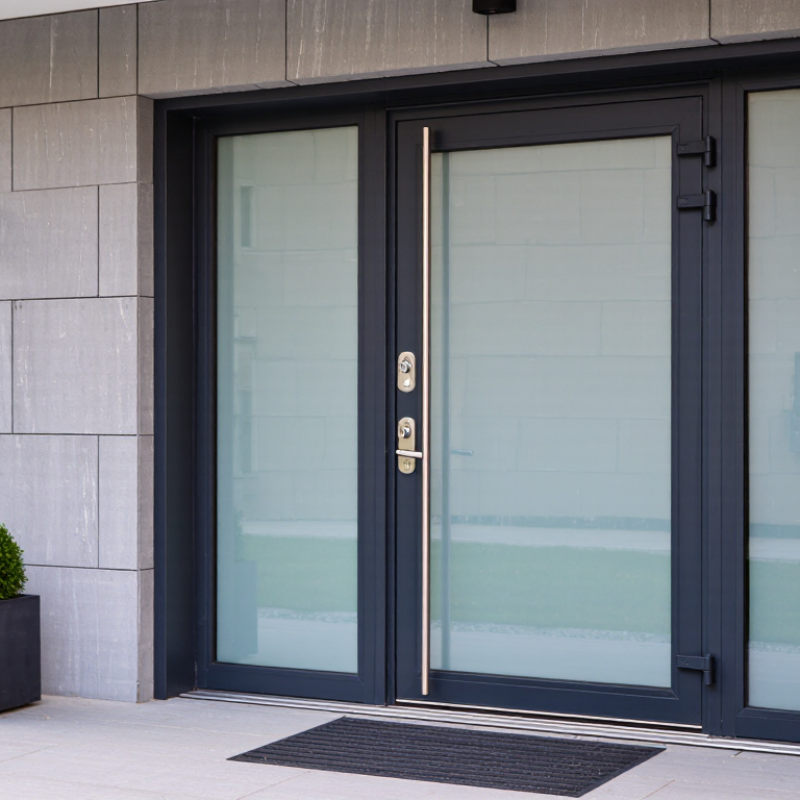
A modern aluminum entry door should begin with clear requirements, not appearance alone. Measure the opening accurately, including wall depth, threshold height, and swing clearance. Decide whether the door faces harsh sun, driving rain, coastal air, or freezing temperatures. Each condition changes the specification.
Thermal Performance Thermal performance matters in daily use. Look for insulated aluminum frames with continuous thermal breaks and low-emissivity glazing. Ask for tested U-values, air leakage data, and water resistance results. A low U-value helps reduce heat transfer, but installation quality remains critical. Even a well-designed door can perform poorly around an uneven frame.
Security and Access Security needs more than a heavy slab. Specify a multipoint locking system, reinforced hinges, laminated or tempered glass, and a strong strike area. Check whether the handle feels firm and operates smoothly. Weather seals should compress evenly without excessive force. The threshold should limit drafts while remaining practical for children, older adults, and wheeled access.
Finish and Maintenance Finish durability also deserves attention. Powder-coated surfaces usually need less maintenance, but color, texture, and exposure affect long-term appearance. Request maintenance instructions and written warranty terms. Inspect drainage paths before approving the design. They are easy to overlook.
I once focused too much on a slim sightline. The finished door looked elegant, yet the threshold needed adjustment after installation. That experience changed my checklist. A beautiful profile is useful, but dependable operation matters more. Allow space for field tolerances, because drawings rarely show every condition on site.
How to Choose a Modern Aluminum Entry Door in 2026?
A modern aluminum entry door should match your home’s structure, climate, and daily traffic. Flat-panel doors create a clean architectural look, while narrow glass panels add daylight without exposing the entire hallway. Textured finishes can hide fingerprints better than smooth dark surfaces. Small detail, big difference.
Profile depth affects both appearance and performance. Slim profiles provide more glass and a lighter visual frame. Deeper, thermally broken profiles usually improve insulation and reduce interior condensation. Ask for verified U-values, air-leakage results, and hardware load ratings. Numbers matter more than attractive showroom lighting.
Opening configuration changes how the entrance feels. A hinged swing door needs clear floor space and strong alignment. Pivot doors create a dramatic movement, but they require careful threshold and weather-seal design. Sliding systems suit compact porches, although their tracks need regular cleaning. Bi-fold openings offer flexibility, yet they may reduce security if poorly specified. A perfect option rarely exists.
Tips: Check the rough opening before ordering. Confirm handing, threshold height, drainage, and screen compatibility. Stand outside during windy weather if possible. Notice rattles, uneven gaps, and difficult locking. These small tests reveal more than a brochure. My own preference can change after seeing the site, because drawings never show every awkward corner.
Compare aluminum door styles, profiles, and opening configurations by typical nominal door width.
Single doors are commonly specified at 36 inches wide, while sidelite and double-door configurations provide wider entrances and more daylight. A thermally broken aluminum profile is generally preferred for improved insulation compared with a non-thermally broken profile. The dimensions shown are common nominal North American sizes; actual frame depths, rough openings, and clear widths vary by project, code requirements, and door-system design.
Reference point: accessibility standards commonly require at least a 32-inch clear opening for an accessible door passage, subject to local code and site conditions.
How to Choose a Modern Aluminum Entry Door in 2026?
A modern aluminum entry door should be judged by three numbers: U-factor, air leakage, and water resistance. The U.S. Department of Energy notes that windows can cause 25–30% of household heating and cooling energy use. Doors are not identical, but the lesson matters. Weak insulation raises comfort costs. Choose thermally broken aluminum, insulated cores, and NFRC-certified ratings. A lower U-factor means slower heat transfer. Still, poor installation can defeat excellent materials.
For security, inspect the lock case, strike plate, hinge protection, and glass. Prefer multipoint locking with long screws anchored into the structural frame. Laminated glass can resist impact better than ordinary glass. No residential door is impossible to defeat. Ask for tested performance, not showroom language. FGIA/AAMA testing evaluates air, water, and structural performance under controlled pressure. Look for documented water penetration and air-infiltration results. Heavy rain can expose tiny gasket gaps.
Tips: Stand inside during a windy day. Feel around the threshold and corners. Check the sill pan, drainage path, and adjustable sweep. Confirm that installation follows the tested assembly. DOE guidance supports careful air sealing, while NFRC labeling helps compare products consistently. Request the full test report. Manufacturers may present only their best figure. That question can prevent an expensive, cold-season lesson.
Choosing an aluminum entry door in 2026 starts with the glass. Low-emissivity glass helps reduce heat loss near the entrance. Double glazing is practical for most homes, while triple glazing suits colder climates. Clear glass brings daylight, but textured glass improves privacy beside busy walkways. Check the frame’s thermal break, not just the glass rating. A beautiful panel can still feel cold around its edges.
Hardware should match daily habits. A lever handle is easier for children and older adults. A solid cylinder and adjustable hinges improve security and alignment. Select a finish that suits the building’s exposure. Powder-coated surfaces generally resist fading, but dark colors may become hot in strong sunlight. Matte finishes hide fingerprints better than polished ones. Small details matter.
Smart access needs careful planning. Keypad entry is convenient when hands are full. Fingerprint readers can struggle with wet or dusty fingers. A phone-based system should offer local control during internet outages. Always confirm battery warnings, manual entry, and emergency release procedures before installation. I once underestimated the importance of door swing clearance, and the handle struck a nearby wall. Measure the opening, trim, threshold, and furniture path first. Ask the installer to test the latch, seals, drainage, and access settings after fitting. Convenience is useful, but dependable operation matters more.
Choosing a modern aluminum entry door in 2026 starts with measurement, not appearance. Measure the opening at three heights and widths. Record the smallest dimensions. Check wall thickness, threshold height, swing clearance, and drainage paths. The 2020 U.S. Energy Information Administration Residential Energy Consumption Survey reported that space heating used 43% and cooling 8% of household energy. A poorly sealed entry door can undermine comfort.
Ask for performance documentation, not vague “energy efficient” claims. The door assembly should follow NAFS, AAMA/WDMA/CSA 101/I.S.2/A440, where applicable. Confirm air leakage, water penetration, structural pressure, and U-factor. Installation matters equally. The 2023 FGIA Fenestration Installation Guidelines emphasize continuous shims, compatible sealants, sill protection, and plumb framing. Check the opening with a level before fastening. Small errors become visible at the latch.
Read the warranty before ordering. Separate coverage for finish, hardware, glass, and installation. Ask who pays labor when adjustment is needed. Keep invoices and installation photos. Clean aluminum with mild soap, water, and a soft cloth twice yearly. Inspect seals after severe weather. Avoid abrasive pads. They scratch quickly. I would not trust a long warranty alone. Exclusions can matter more than duration. A careful installer and documented measurements may protect the door better than impressive wording.
Check the U-factor, air leakage, and water resistance. A lower U-factor slows heat transfer. Test results matter more than showroom claims.
Aluminum conducts heat quickly without a thermal break. A separated frame reduces cold surfaces and indoor drafts. The glass alone does not tell the whole story.
Look for multipoint locking, a strong strike plate, protected hinges, and secure glass. Use long screws anchored into the structural frame. No residential door is impossible to defeat.
Double glazing suits many homes and climates. Triple glazing can help in colder regions. Textured glass adds privacy beside busy walkways.
Stand indoors during a windy day. Feel around the threshold and corners for drafts. Check the sill pan, drainage route, and adjustable sweep. Tiny gasket gaps can admit heavy rain.
Measure the opening at three heights and three widths. Record the smallest measurements. Also check wall thickness, threshold height, swing clearance, and nearby furniture.
Keypads are useful when your hands are full. Fingerprint readers may struggle with wet or dusty fingers. Choose manual entry, battery warnings, and emergency release options. Convenience can fail.
Confirm plumb framing, continuous shims, compatible sealants, and protected sill areas. Ask for air, water, structural, and thermal test reports. Review separate coverage for finish, hardware, glass, and labor. A long warranty may still contain important exclusions.
Choosing a Modern Aluminum Entry Door in 2026 begins with clearly defining your priorities, including appearance, energy efficiency, security, durability, maintenance, and budget. Compare door styles, frame profiles, panel designs, and opening configurations to find a solution that suits your home’s architecture and daily use. Pay close attention to thermal breaks, insulation, weather seals, drainage, locking systems, impact resistance, and overall protection against changing weather conditions.
You can further personalize the door by selecting suitable glass types, handles, hinges, surface finishes, and smart access features that support convenience without compromising security. Before ordering, confirm all measurements, wall conditions, installation requirements, and local building standards with qualified professionals. A reliable warranty should clearly explain coverage for materials, finishes, hardware, and installation. With correct fitting and simple long-term care, a well-chosen aluminum entry door can provide lasting performance, contemporary style, improved comfort, and dependable security for many years.

Production WorkshopEfficient manufacturing, testing and assembly workflow.