Engineered Aluminum Entry & Security Door Systems
Explore our certified series designed for architectural resilience, severe climate protection, and premium aesthetics.
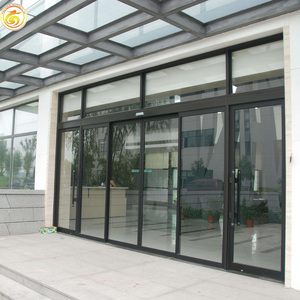
Hurricane Impact Resistant Storefront Doors With Decorative Grilles for Coastal Commercial Buildings
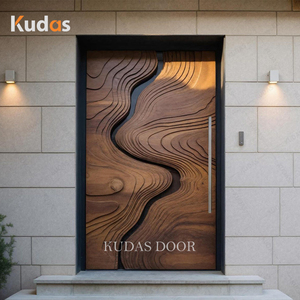
Modern Carved Wooden Front Door Organic Wave Design Handmade Exterior Solid Wood Entry Door for Contemporary Home
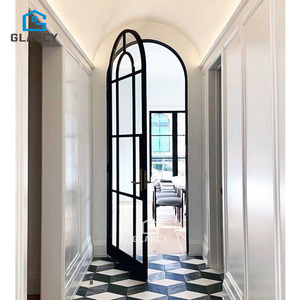
French Exterior Entry Main Modern Glass Arch CE Certified Black Power Interior Exterior Insulation Made of Aluminium Doors
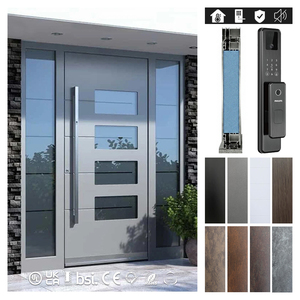
British Detached House Modern High Strength Matte Gray Finish Stainless Steel Tempered Glass Security Door with Double Sidelite
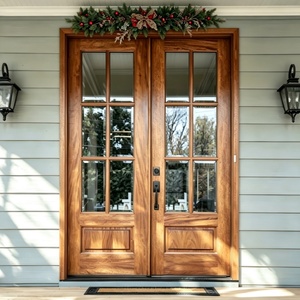
Direct Factory Modern Hinged Aluminum Solid Wood Doors Soundproof Triple Tempered Glass Custom Home Front Casement Door
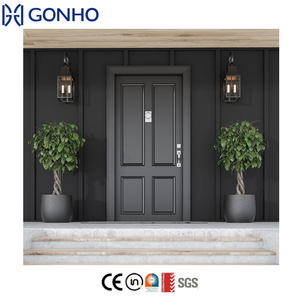
Fangda Designs Throughout Villa Popular Modern Exterior Front Door For Houses Front Entry Doors Front Enter
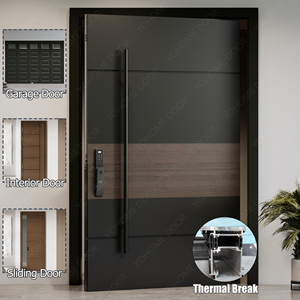
Chinese Source Manufacturer Modern Villa Door High Quality Entry And Interior Doors For Home Security House Door
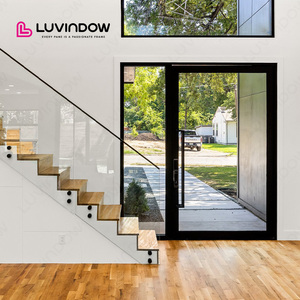
Modern Style Main Entrance Door Heat Insulated Aluminum Double Glazed Glass Pivot Door
Key Manufacturing Features & Engineering Edge
Why leading global architects, commercial developers, and importers select our Guangdong manufacturing facility.
Structural Integrity & Alloys
Fabricated using high-tensile 6063-T6 aluminum extrusions featuring wall thicknesses from 2.0mm to 3.0mm, preventing warping under extreme forced entry and severe wind loads.
Polyamide Thermal Barriers
Integrated PA66-GF25 glass fiber reinforced polyamide thermal break strips minimize thermal bridge effects, significantly enhancing building Energy Star ratings and condensation control.
Multi-Point Security Locking
Equipped with European-standard multi-point locking mechanisms (3 to 5 locking points), anti-pry hooks, and anti-snap high-security lock cylinders resistant to drilling and picking.
Weatherproofing & Glazing
EPDM triple-gasket perimeter sealing coupled with hurricane impact-resistant laminated double/triple Low-E tempered glass packages rated for coastal salt-spray and heavy rain ingress.
Architectural Surface Coatings
Available in AkzoNobel powder coatings, PVDF fluorocarbon finishes, and anodized layers (up to 25μm) engineered to withstand UV degradation, chalking, and coastal humidity.
Global Standard Compliance
Rigorously tested to comply with NFRC, AS 2047, CSA, and ENERGY STAR specifications, supported by full CAD/BIM drawing engineering support for rapid permit approvals.
Industry Analysis: The Evolution of Architectural Aluminum Security Doors
A technical overview of material performance, manufacturing processes, and international procurement standards.
Modern architectural openings demand a sophisticated synthesis of structural security, thermal efficiency, and minimal visual bulk. Historically, security doors relied heavily on solid steel construction. While steel offers undeniable physical mass, it presents severe limitations in exterior architectural applications, including high thermal conductivity, excessive weight causing hinge fatigue, and susceptibility to red rust corrosion in coastal environments.
As a leading China-based aluminum door manufacturer operating a 20,000 square meter standardized production base in Guangdong, Fortor Security Door Co., Ltd. has pioneered the integration of aerospace-grade aluminum alloys with advanced security engineering. Aluminum security door systems utilize multi-cavity 6063-T6 extrusions that deliver extraordinary strength-to-weight ratios while allowing complex thermal breaks and architectural glass integrations.
Engineering Features of High-Performance Aluminum Entry Doors
When evaluating aluminum security doors for commercial developments, modern residential villas, or B2B supply contracts, key structural indicators determine long-term performance:
1. Structural Profile Design & Alloy Selection
The core structural integrity of a security door relies on its profile wall thickness and internal web design. Standard residential aluminum windows often utilize 1.4mm profiles, whereas high-security entry doors require structural profile depths ranging from 75mm to 120mm with wall thicknesses between 2.0mm and 3.0mm. The 6063-T6 alloy undergoes specific heat treatment to achieve optimal yield strength, resisting forced impact, wind pressures exceeding 5000 Pa, and structural racking over decades of usage.
2. Advanced Thermal Barrier Integration
Energy codes across North America (NFRC), Australia (AS 2047), and Europe mandate strict U-factor performance. Unbroken aluminum profiles conduct heat rapidly. Premium security doors utilize Polyamide (PA66-GF25) thermal breaks that separate the exterior profile from the interior profile. By filling internal cavities with high-density polyurethane foam and installing multi-chamber thermal strips, system U-values can be reduced to as low as 1.2 W/m²K, preventing interior condensation and significantly lowering HVAC operational costs.
3. Multi-Layer Security & Ballistic-Impact Glass Options
A security door frame is only as robust as its glass insert. Modern aluminum security doors combine structural frames with specialized glazing options:
- Double & Triple Tempered Low-E Glass: Provides thermal insulation while safety-tempering prevents sharp shatter fragments upon impact.
- Laminated Hurricane-Impact Glass: Utilizes SentryGlas® (SGP) or Polyvinyl Butyral (PVB) interlayers between glass panes. Even if shattered under forced impact or hurricane debris, the glass remains anchored to the frame, blocking entry.
- Stainless Steel Security Mesh (304/316 Grade): Integrated flyscreens woven with 0.8mm-1.0mm marine-grade stainless wire provide insect protection and cut resistance while maintaining natural ventilation.
Comparative Technical Performance Matrix
To assist architects and project procurement managers in selecting optimal material specifications, the table below outlines structural, thermal, and maintenance parameters across common entrance door materials:
| Performance Metric | Aluminum Security System | Solid Hardwood Entry | Traditional Galvanized Steel |
|---|---|---|---|
| Corrosion & Rust Resistance | Exceptional (Anodized / PVB Powder Coating) | Moderate (Prone to rot, swell & warp) | Low to Moderate (Rusts at welds & edges) |
| Structural Strength-to-Weight | High (6063-T6 Alloy Extrusions) | Medium | High (Excessive weight load on hardware) |
| Thermal Insulation (U-Factor) | Excellent (PA66 Thermal Break Strips) | Good (Natural insulator) | Poor (Unless heavily insulated interior) |
| Design & Sightline Versatility | Ultra-Slim Sightlines / Large Pivots | Thick, bulky frames required | Standard industrial profiles |
| Maintenance Requirements | Zero Maintenance (Wipe clean) | High (Requires periodic re-staining/sealing) | Medium (Requires anti-rust repainting) |
| Service Life Expectancy | 30+ Years | 10 - 15 Years (Climate dependent) | 15 - 20 Years |
Future Global Procurement Trends (2025 - 2030)
The global market for architectural doors and windows is undergoing structural shifts driven by building energy regulations, smart building automation, and extreme weather resilience requirements. Overseas buyers sourcing from Chinese manufacturers should anticipate the following key industry trends:
1. Micro-Sightline Heavy-Duty Pivot Door Systems
Architects are increasingly requesting oversized grand entrance doors reaching heights up to 4 meters and widths up to 2 meters. Traditional butt hinges cannot support glass/aluminum panels of this scale. The market is shifting toward heavy-duty concealed pivot hinges with load capacities exceeding 500kg, paired with ultra-slim aluminum profiles that maximize daylight exposure.
2. Smart Access & Biometric Hardware Integration
Mechanical keys are rapidly being replaced by motor-driven multi-point locks connected to home automation networks. Modern security entry doors now feature factory-integrated biometric fingerprint scanners, facial recognition cameras, RFID keypads, and concealed electric strikes powered by hidden wiring channels inside the aluminum extrusion profile.
3. Carbon Neutrality & Environmental Product Declarations (EPD)
International tenders in Western markets increasingly require suppliers to provide verified Environmental Product Declarations. Aluminum’s 100% recyclability without quality loss positions it as the premier sustainable building material. Factories utilizing low-carbon recycled aluminum billets and eco-friendly powder coating processes are capturing preferential access to high-tier commercial contracts.
Direct-From-Factory Manufacturing Excellence
Inside our Guangdong facility: Precision engineering from raw extrusions to international container packing.
1. CNC Precision Machining
Utilizing 5-axis CNC profile machining centers to drill, notch, and mill lock cavities with sub-millimeter accuracy, ensuring perfect hardware fit and seamless corner joint alignment.
2. Corner Crimping & Glue Injection
Corner joints are mechanical-crimped with solid aluminum corner cleats and injected with two-component structural epoxy glue, creating airtight, watertight, and rack-proof frame joints.
3. Protective Export Packaging
Every finished door undergoes a 100% pre-assembly inspection before being wrapped in protective film, corner guards, custom foam padding, and packed into fumigated solid wooden crates.
Frequently Asked Sourcing & Technical Questions
Clear answers to critical procurement, compliance, customization, and logistical queries.
Is Fortor a direct manufacturer or a trading intermediary?
Which international building codes and certifications do your doors meet?
What custom options are available for architectural projects?
How do you ensure door frames do not warp or break during international shipping?
What technical information is required to receive an accurate factory quotation?
What is the standard production lead time for custom aluminum security doors?
Ready to Engineer Your Custom Aluminum Entry System?
Contact our factory engineering team today for technical drawings, NFRC/AS2047 compliance data, and direct B2B project quotes.
Inquire Now