Featured Impact-Resistant Entry Door Systems
Certified heavy-duty aluminum, stainless steel, iron arch, and composite storefront entry systems engineered for extreme weather resilience, forced-entry deterrence, and thermal control.
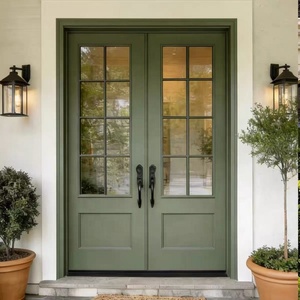
- Frame Profile: T6-6063 Aluminum
- Glass Interlayer: 1.52mm SGP Film
- Wind Load: DP70 / 140 PSF
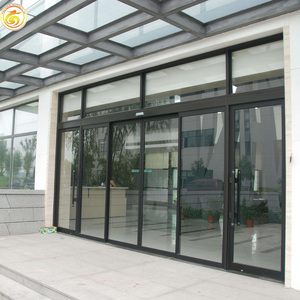
- Application: Coastal Commercial
- Glazing: Laminated Low-E
- Hardware: Multi-Point Panic Hardware
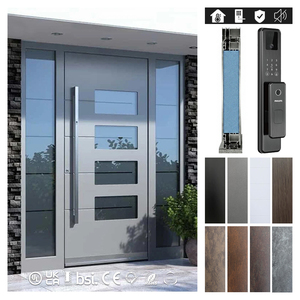
- Structure: SUS304 Reinforced
- Glass Rating: 12mm Tempered Laminated
- Thermal Break: Polyamide PA66GF25
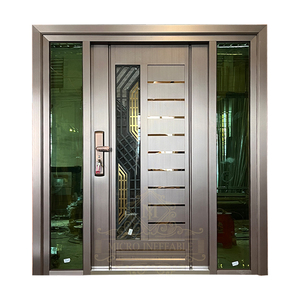
- Frame Depth: 120mm Heavy Duty
- Impact Rating: ASTM E1996 Level D
- Finish: AkzoNobel Powder Coat
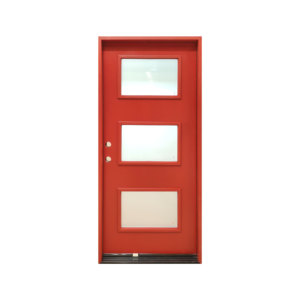
- Core Material: Polyurethane + Fiberglass
- Water Resistance: 100% Waterproof Skin
- U-Factor: 0.19 BTU/h·ft²·°F
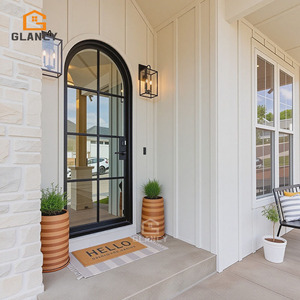
- Design: Custom Radius Arch
- Glazing Unit: Double Thermal Break
- Air Tightness: Class 4 (EN 12207)
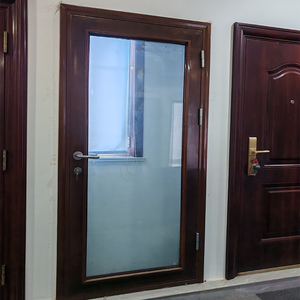
- Sightline: Ultra-Slim 45mm Frame
- Acoustics: STC 42 dB Reduction
- Lock Type: Biometric Smart Lock
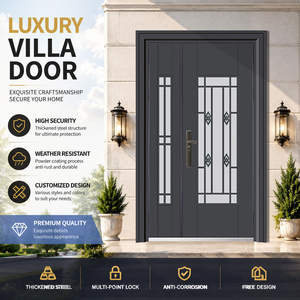
- Reinforcement: Internal Steel Core
- Impact Glass: 6mm+1.52PVB+6mm
- Warranty: 10 Years Profile & Finish
Architectural Engineering Whitepaper: Structural Mechanics & Impact Resilience
A rigorous examination of laminated safety glazing physics, extrusions alloy tempering, high-velocity hurricane zone (HVHZ) compliance, and thermal barrier technology in Chinese manufacturing.
Laminated Safety Glazing Mechanics: PVB vs. SGP Interlayer Engineering
In impact-resistant entry doors, glass failure is governed by mechanical energy dissipation upon projectile strike. Conventional tempered glass shatters into small granules, leaving an unsealed envelope. In contrast, Chinese manufacturing leaders utilize dual-pane or triple-pane laminated units featuring Polyvinyl Butyral (PVB) or SentryGlas® Plus (SGP) ionoplast interlayers.
SGP interlayers deliver up to 5 times the tear strength and 100 times the rigidity of standard PVB. When subjected to Florida Building Code High-Velocity Hurricane Zone (HVHZ) tests—including 9-lb 2x4 lumber missile impacts at 50 ft/s (ASTM E1996 Missile Level D)—the glass may fracture, but the SGP interlayer maintains structural adhesion, preventing windborne debris penetration and interior barometric pressure surge.
Extruded Thermal Break Aluminum Profiles & Alloy Chemistry
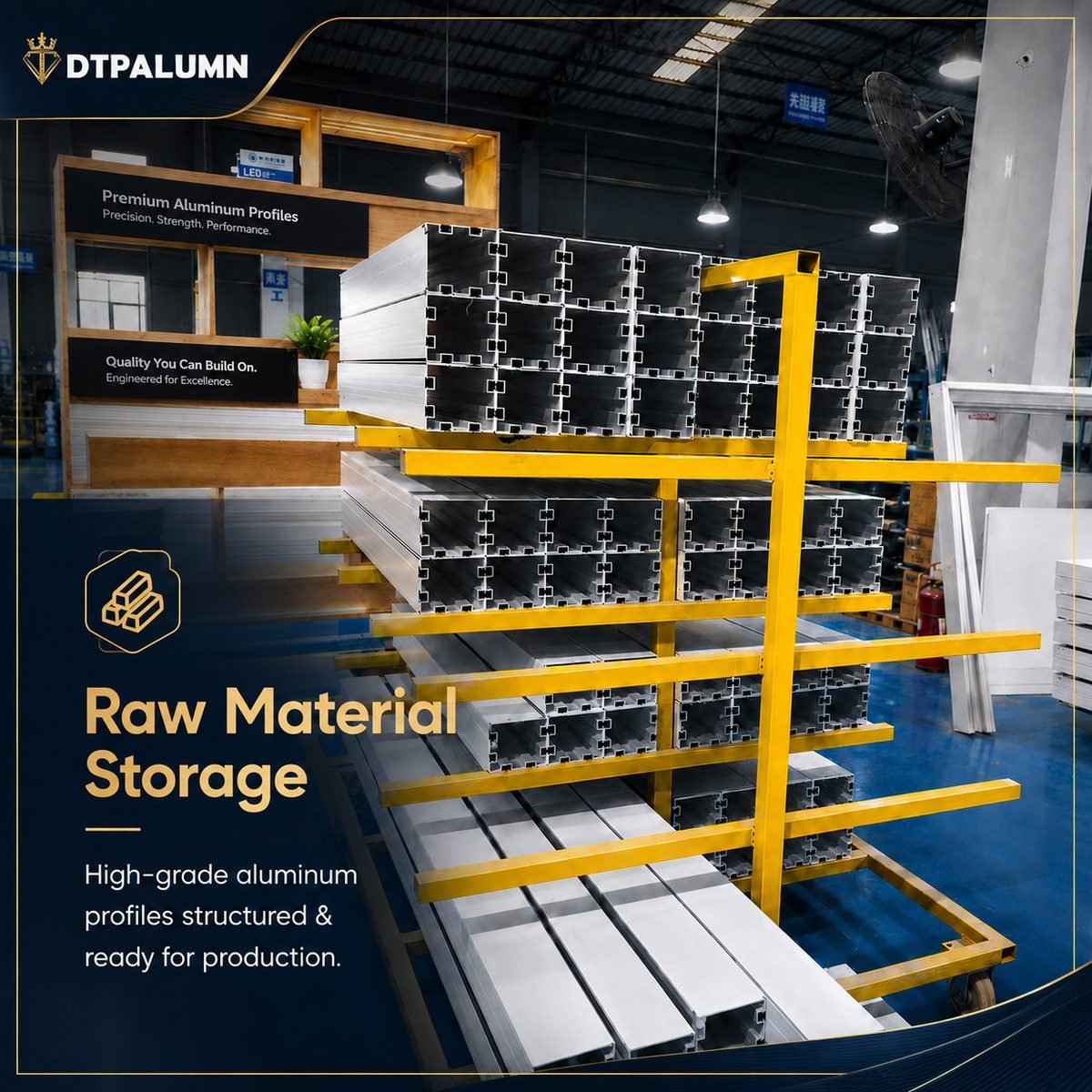
Structural door frames require structural stability against static deflection and thermal contraction. Leading Chinese factories utilize 6063-T6 architectural aluminum alloy, precision-extruded to profile wall thicknesses between 2.0mm and 3.0mm. To eliminate thermal bridging, high-performance profiles incorporate a PA66GF25 (Polyamide 66 with 25% glass fiber) thermal barrier strip.
This structural thermal break reduces overall system U-Factors down to 0.18–0.24 BTU/h·ft²·°F, satisfying strict ENERGY STAR®, NFRC, and CSA requirements. Furthermore, surface treatments such as fluorocarbon (PVDF / Kynar 500) coating or anodic oxidation (AA15 grade) guarantee resistance to salt-fog corrosion exceeding 3,000 hours under ASTM B117 testing standards.
Multi-Point Perimeter Locking & Forced-Entry Security Dynamics
Impact resistance is intrinsically tied to anti-burglary performance. A compromised latch mechanism invalidates impact ratings regardless of glass strength. Premium Chinese entry door factories incorporate continuous multi-point gear-driven locking hardware (top, bottom, and side latching points).
Featuring stainless steel hook bolts, heavy-duty deadbolts, and anti-lift pin hinges, these doors conform to European PAS 24 and US AAMA 1304 forced-entry resistance benchmarks. The hardware interacts directly with steel-reinforced jamb inserts to resist mechanical prying forces exceeding 3,000 lbs of lateral tension.
Water Tightness & Air Infiltration Sealing Systems
Extreme storm conditions exert driven rain pressures that easily breach standard entry doors. Advanced factory designs incorporate triple-gasket EPDM (Ethylene Propylene Diene Monomer) perimeter seals combined with concealed drain channels and gravity-check valve sills.
During ASTM E331 dynamic water penetration testing at 15 PSF (equivalent to 50 mph wind-driven rain), the stepped sill profile prevents capillary water draw and back-siphoning, maintaining total interior water tightness. Continuous EPDM corner vulcanization eliminates micro-gaps at frame joints.
International Compliance & Structural Performance Matrix
Direct comparison of key fenestration testing standards and performance thresholds met by top-tier Chinese impact glass door factories.
| Testing Standard | Geographic Region | Primary Test Focus | Fortor Factory Capability |
|---|---|---|---|
| TAS 201 / 202 / 203 | Florida / Miami-Dade (HVHZ) | Large Missile Impact & Cyclic Wind Pressure | Pass (SGP 1.52mm / DP70 Rating) |
| ASTM E1886 / E1996 | United States / Caribbean | Windborne Debris Impact in Hurricanes | Missile Level D (9-lb 2x4 @ 50 ft/s) |
| NFRC 100 / 200 | North America | U-Factor, SHGC, Visible Transmittance | U-Factor 0.18 - 0.22 BTU/h·ft²·°F |
| AS 2047 / AS 1288 | Australia / New Zealand | Structural Deflection, Water & Air Sealing | Passed 450 Pa Water / 4000 Pa Ultimate Limit |
| EN 1627 (RC3 / RC4) | Europe / UK | Forced Entry & Burglar Resistance | Multi-point Hook Lock / SUS304 Mesh |
Enterprise Advantages: Fortor Security Door Co., Ltd.
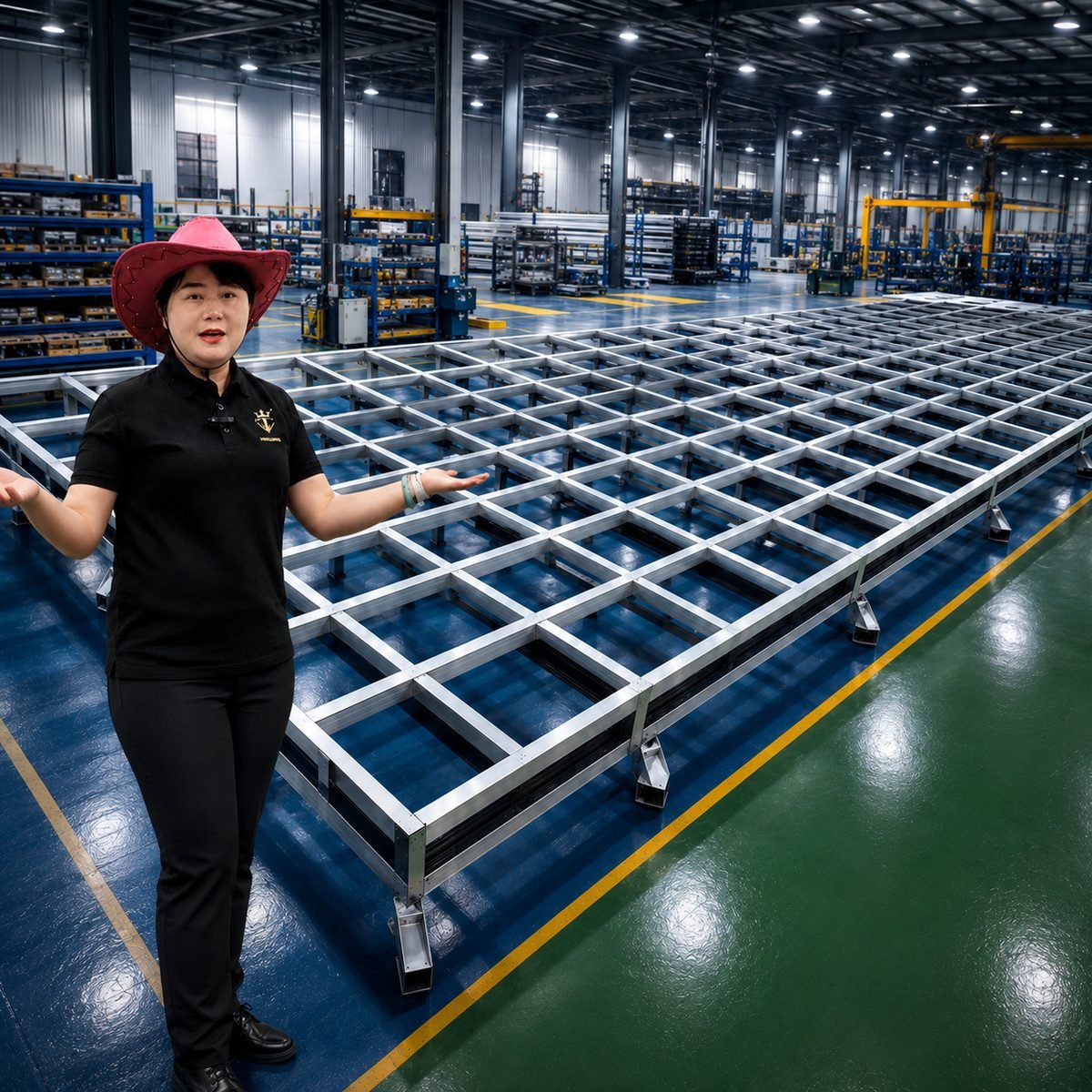
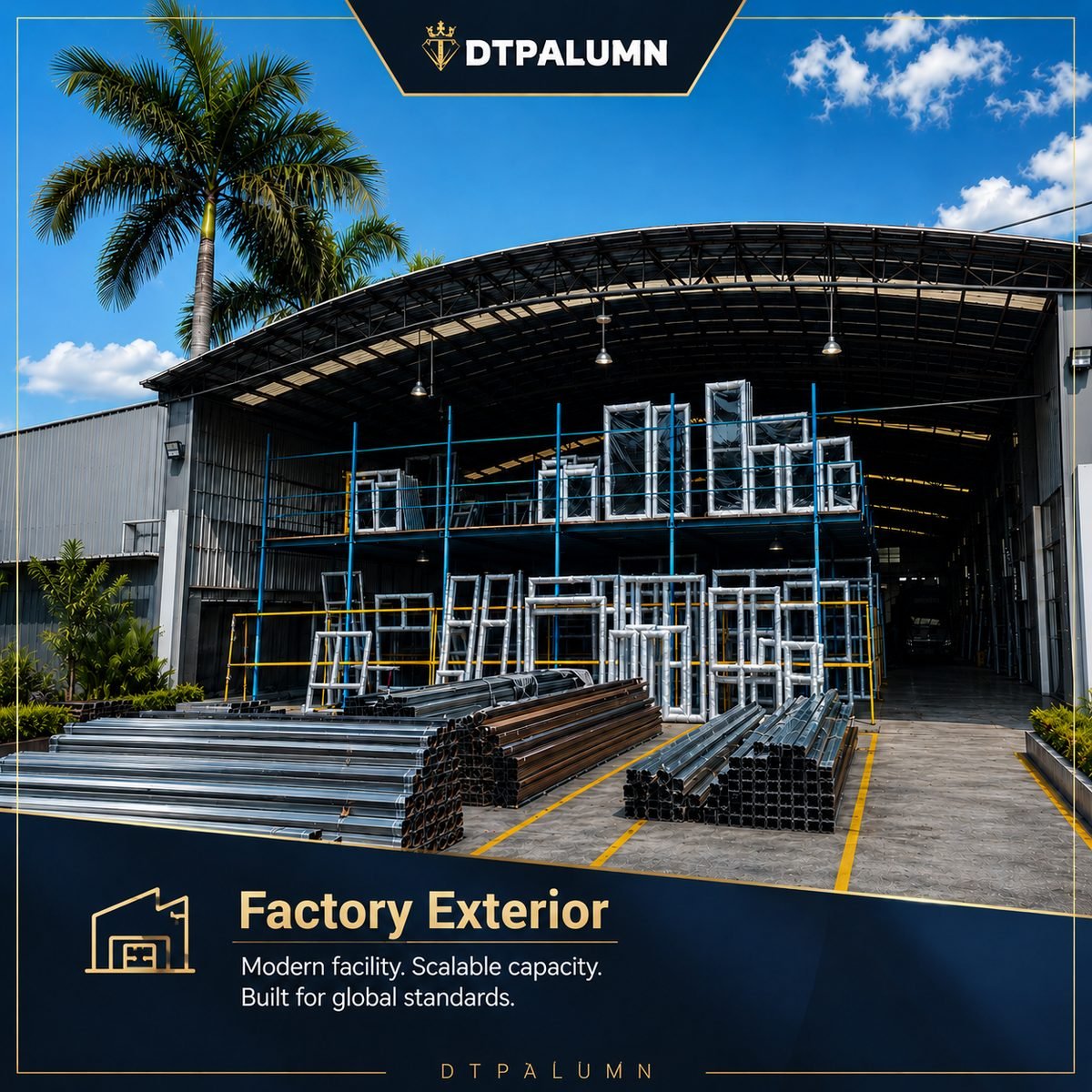
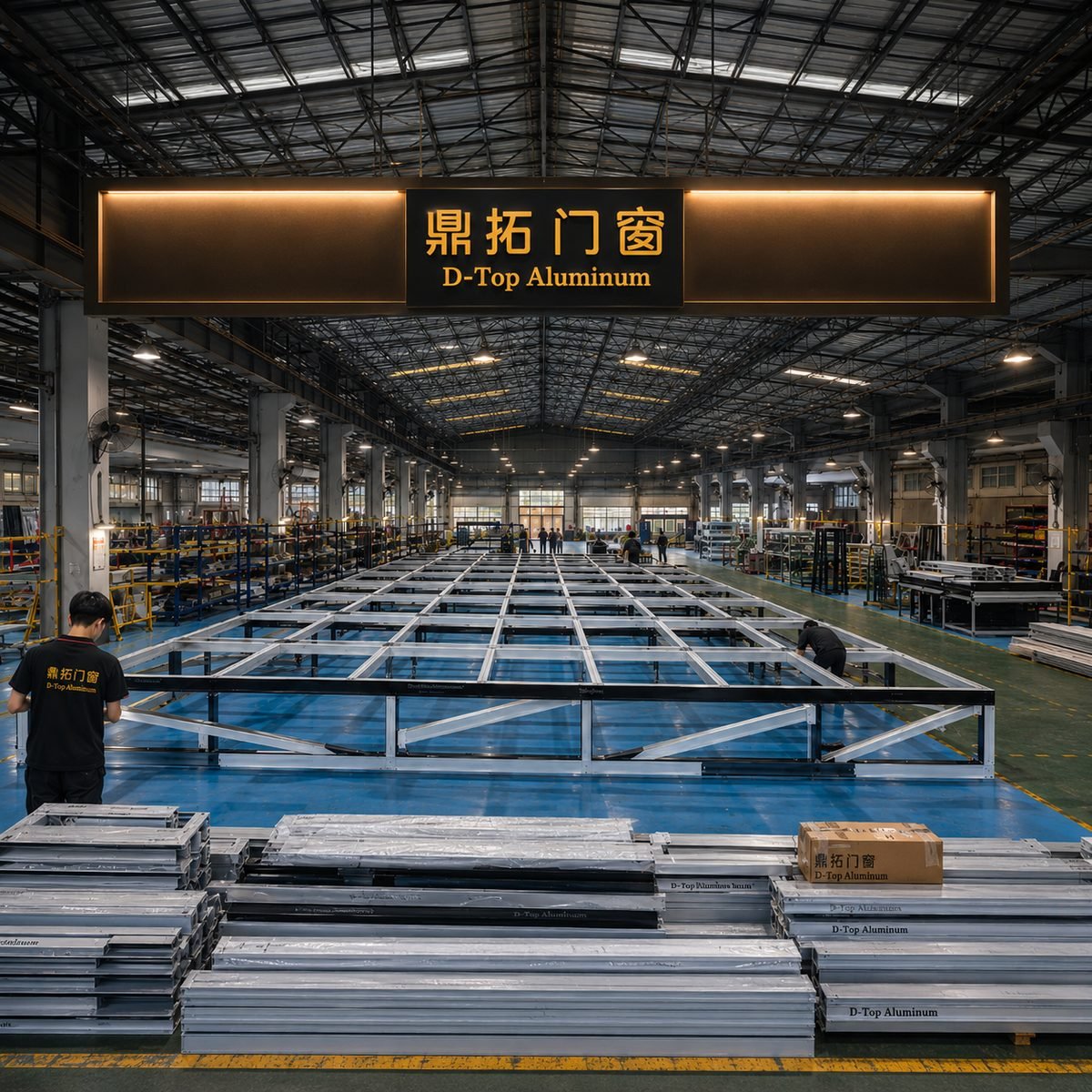
Operating a 20,000m² state-of-the-art production base in Guangdong, China, Fortor Security Door Co., Ltd. combines 17+ years of engineering mastery with stringent international export controls.
Unlike trading intermediaries, Fortor operates an end-to-end manufacturing structure encompassing precision profile extrusion, CNC milling, automatic corner crimping, glass lamination line, dual-component silicone glazing, and pre-shipment mock-up assembly testing. Every custom order is fabricated strictly according to approved architectural elevation drawings and project-specific wind load requirements.
Sourcing Trends: Future of Impact-Resistant Entry Systems (2025–2030)
Market intelligence for global B2B buyers, architects, real estate developers, and building material distributors.
1. Transition to Narrow Sightline Ultra-Large Openings
Architectural demand is rapidly shifting away from heavy, bulky frames toward ultra-slim profile sightlines without compromising wind-load performance. Advanced structural silicone structural glazing (SSG) techniques allow Chinese manufacturers to produce floor-to-ceiling impact entry doors up to 4 meters (13 feet) in height, maintaining structural rigidity under DP70 wind pressures.
2. Integration of Smart Biometric & Motorized Access
Modern entry door procurement increasingly mandates smart access integration. Leading factories now pre-wire internal channels for motorized multi-point locks, facial recognition sensors, hidden biometric fingerprint scanners, and smart home automation systems (Zigbee/Matter protocols) embedded inside thermal break aluminum frames.
3. Low-Carbon Aluminum & Net-Zero Thermal Insulation
With international carbon border adjustments and LEED green building standards, top Chinese factories are adopting recycled hydroelectric-melted low-carbon aluminum billets. Paired with aerogel thermal insulation strips and triple Low-E argon-filled glazing, door systems achieve Passive House energy standards.
4. Direct OEM/ODM Factory Customization & BIM Integration
B2B procurement has moved beyond standard off-the-shelf sizing. Global buyers demand 3D BIM (Building Information Modeling) Revit files, finite element structural calculations, and complete OEM surface color matching (custom RAL shades, anodized metallic tones, and realistic 3D wood-grain transfers).
Frequently Asked Questions (FAQ) for B2B Procurement
Detailed technical and commercial answers to clarify factory capabilities, certification standards, lead times, and global shipping logistics.