Commercial Hotel Electronic Locks & High-Security Entry Systems
Architectural-grade doors and integrated smart lock hardware customized for international hotel projects, resorts, luxury apartments, and commercial facilities.
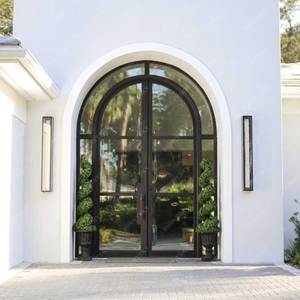
XIYATECH Luxuriously Designed Modern Exterior Arches Double Front Doors Wrought Iron Exterior Doors
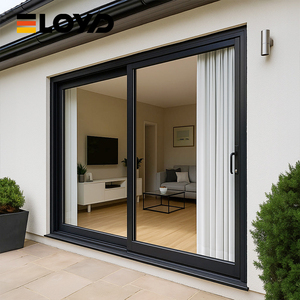
Modern Aluminum Alloy Glass Patio Sliding Door with Waterproof & Heat Insulation for Villa Exterior and Garden Use
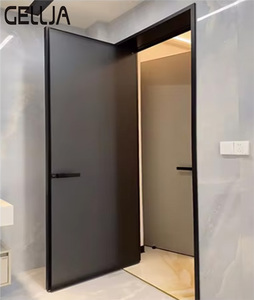
Metal Door Frame Doors Modern Indoor Contemporary Style Aluminium Alloy Showerroom Casement Glass Door Suitable For Hotels
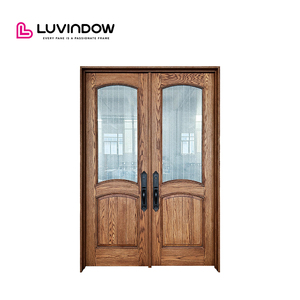
Modern Solid Wood Entry Front Door With Custom Carving And Low-E Double Tempered Glass For Apartment & Exterior Use
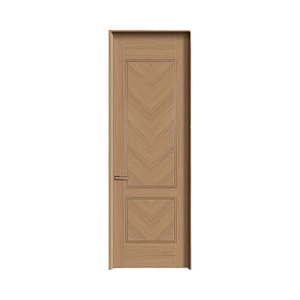
Modern Wooden Entrance Door for Villas & Hotels Aluminum Wood Composite Front Lobby Door Interior Security Finished Surface
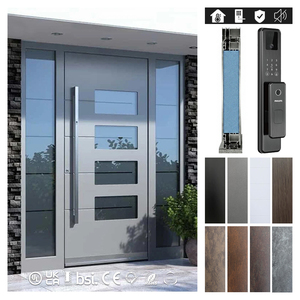
British Detached House Modern High Strength Matte Gray Finish Stainless Steel Tempered Glass Security Door with Double Sidelite
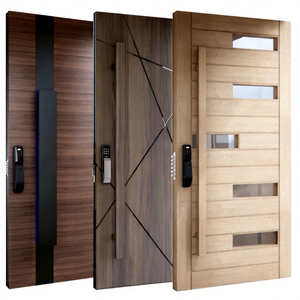
Manufacturer-direct Supply Waterproof Fire-resistant Security-rated Engineered Wood Pivot Doors for Modern Luxury Residential
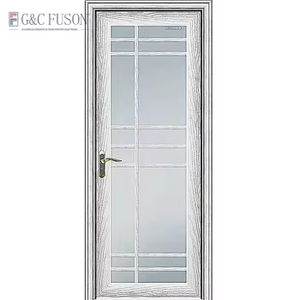
Fuson Soundproof Security Doors Porte Exterieur High Quality Casement Doorshigh Quality Mom and Son Doors Modern Entrance Door
Strategic Sourcing of Hotel Electronic Lock Door Systems in China
A technical evaluation for procurement managers, hotel developers, and architectural contractors on balancing security compliance, total cost of ownership (TCO), and smart access ecosystems.
The global commercial hospitality sector is undergoing a rapid technological convergence where door manufacturing, mechatronic mortise engineering, and digital access control merge into unified security infrastructure. Modern hotel developers no longer source door leaves, mechanical frames, and electronic locking mechanisms from isolated vendors. Instead, leading international hotel chains—ranging from boutique luxury resorts to high-density business properties—demand integrated door solutions where the electronic mortise lock body, electromagnetic shielding, fire-rated core, and emergency mechanical override functions are factory-engineered into a single cohesive assembly.
China has emerged as the premier manufacturing powerhouse for commercial hotel electronic lock door systems, offering advanced metallurgic die-casting, automated CNC profile machining, and certified microelectronics assembly. However, navigating the Chinese wholesale OEM/ODM manufacturing landscape requires deep technical clarity regarding international building codes, life-safety standards, and cybersecurity protocols.
1. Architectural Security & Life-Safety Compliance Frameworks
When procuring hotel electronic lock door systems at scale, global buyers must ensure that products satisfy rigorous international regulatory thresholds. Sourcing non-compliant hardware can result in project permit delays, insurance invalidations, and severe legal liabilities:
- ANSI/BHMA A156.25 & A156.13 Standards: Commercial hotel mortise locks must pass ANSI/BHMA Grade 1 operational tests, enduring at least 1,000,000 mechanical latch cycles and rigorous physical force impact resistance to prevent forced entry.
- UL 10C / EN 1634-1 Fire Resistance: Door leaves paired with smart electronic mortise locks must maintain structural integrity during fire events. Solid wood cores, steel composite frames, and inner intumescent seal strips must provide certified 30-minute, 60-minute, or 90-minute fire ratings without thermal bridge failure around the lock pocket.
- Acoustic Insulation (STC Ratings): Guestroom noise control is critical for guest satisfaction metrics. High-end hotel doors combined with tight perimeter gaskets and drop-down bottom seals achieve Sound Transmission Class (STC) ratings between STC 35 and STC 42.
Requiring Custom ANSI Grade 1 Fire-Rated Hotel Door Assemblies?
Consult with our engineering team to review architectural elevation plans, mortise cutouts, and door hardware schedules.
Future Development Trends in Smart Hotel Lock Systems
How mechatronic innovation, contactless protocols, and cloud software integrations are redefining commercial access control.
1. Contactless BLE 5.2 Mesh & Apple Wallet Key Integration
Traditional RFID keycards (13.56MHz Mifare Classic/EV1) are increasingly supplemented by Bluetooth Low Energy (BLE 5.2) and Near Field Communication (NFC) credentials embedded directly into smartphones and smartwatches. Future-proof hotel lock controllers feature dual-frequency readers supporting sub-gigahertz mesh networks, enabling instant keyless check-in and encrypted digital key distribution via Apple Wallet and Google Pay platforms.
2. Cloud-Native Property Management System (PMS) Orchestration
Modern commercial locks no longer function as offline electronic islands. Next-generation systems integrate open API architecture and MQTT protocols, allowing direct real-time synchronization with cloud PMS solutions like Oracle Opera, Cloudbeds, and Mews. Front desk management receives real-time telemetry on battery voltage level, door open/closed status, audit trail events, and unauthorized tamper alerts.
3. Hardware Cyber-Physical Hardening & Cryptographic Security
As IoT connectivity expands, hardware security modules (HSM) and bank-grade AES-256 bit end-to-end encryption become mandatory. Leading Chinese suppliers are replacing basic microcontrollers with dedicated secure elements (SE) that resist side-channel attacks, card-cloning exploits, and over-the-air firmware hijacking, establishing robust cyber-physical defenses.
4. Ultra-Low Power Consumption & Energy Harvesting Mortises
Battery maintenance represents one of the largest operational expenses in hotel facility operations. Advancements in micro-power solenoid actuators, low-friction planetary gearboxes, and ambient light/motion kinetic harvesting enable premium commercial electronic locks to achieve 18 to 24-month battery life cycles on standard AA alkaline cells or rechargeable lithium packs.
Procurement & Supply Chain Trends for Wholesale Buyers
Crucial market dynamic shifts that developers, importers, and procurement agencies must factor into long-term sourcing strategies.
Navigating global supply chain volatility, raw material fluctuations, and evolving building standards requires a shift from transactional purchasing to strategic OEM/ODM partnerships with factory-direct manufacturers. Key procurement strategies shaping the 2025–2030 horizon include:
BOM Cost Optimization via OEM Factory Sourcing
Procuring directly from verified Chinese door and electronic lock manufacturers eliminates intermediary brand markups (which often reach 150% to 300%). B2B buyers gain direct control over the Bill of Materials (BOM), selecting premium components such as 304/316 stainless steel faceplates, Japanese Mabuchi motors, and NXP semiconductor chips.
Modular Lock Cutouts for Flexible Retrofits
Hotels performing soft or hard renovations avoid full door replacements by specifying standardized mortise lock preparations (e.g., ANSI 70mm/60mm backset or EURO 85mm/72mm centers). This allows legacy magnetic stripe locks to be upgraded to RFID/BLE electronic handles without re-boring or modifying the door leaf structure.
ESG Compliance & Eco-Friendly Metallurgy
Environmental, Social, and Governance (ESG) mandates require commercial projects to use low-VOC door finishes, sustainably harvested timber (FSC certified), and recyclable zinc alloy / marine-grade aluminum profiles manufactured under ISO 14001 environmental management protocols.
Comparative Technical Matrix: Commercial Lock & Door Hardware
| Specification Parameter | ANSI Grade 1 Heavy Duty | EURO Standard Commercial | Nordic / Scandinavian Standard |
|---|---|---|---|
| Primary Application | North America, High-Traffic Luxury Hotels | Europe, Middle East, Asia-Pacific Hotels | Northern Europe, High-Security Resorts |
| Latch Cycle Durability | > 1,000,000 Cycles | > 500,000 Cycles | > 800,000 Cycles |
| Backset Options | 70mm (2-3/4 in) Standard | 55mm / 60mm / 65mm | 50mm / 70mm |
| Fire Rating Compatibility | UL 10C 3-Hour Fire Rated | EN 1634-1 60/90 Min Rated | EI30 / EI60 Fire Standard |
| Lock Body Materials | Forged Solid Brass / Stainless 304 | Stainless Steel 304 / Steel Core | Hardened Anti-Drill Alloy Steel |
| Credential Support | RFID (Mifare EV3), BLE 5.2, NFC | RFID (Mifare Classic), BLE, Pin Code | RFID, Mobile App, Biometric Fingerprint |
Enterprise Capabilities & Direct Factory Advantages
Combining precision metallurgy, door fabrication, and electronic testing under a single 20,000㎡ production ecosystem in Guangdong, China.
Integrated Door & Lock Production
Unlike standalone lock trading companies, our facility cuts profiles, machines mortise pockets, applies surface coatings, and conducts complete mechatronic fitting under one unified technical team. This eliminates misalignments between door leaves and lock latch mechanisms during site installation.
Rigorous Multi-Point Quality Assurance
Every electronic lock mortise and commercial security door undergoes exhaustive quality control, including salt spray corrosion testing (96 hours ASTM B117), electromagnetic interference testing (EMC), high-low temperature thermal cycling (-25°C to +70°C), and automated handle fatigue testing.
Export Logistics & Global Support Network
Serving project developers in over 30 countries including North America, Europe, Australia, and the Caribbean. We deliver heavy-duty export wood-crate packaging, CAD shop-drawing validation, labeled door hardware coding, and on-site or remote engineering installation assistance.
Frequently Asked Questions for Hotel Door Lock Sourcing
Essential answers regarding factory customization, certification standards, lead times, and PMS software integration.
Are your electronic hotel locks manufactured directly in your factory or sourced from third parties?
Which international fire and safety standards do your hotel doors and smart locks comply with?
Can your smart hotel locks integrate with existing Hotel PMS systems like Opera or Cloudbeds?
What happens if an electronic lock's battery fails completely while a guest is inside or outside?
Can door finishes, handle designs, and mortise dimensions be customized for luxury hotel projects?
What is the typical production lead time for wholesale commercial hotel project orders?
How do you handle ocean shipping, packaging, and custom clearance for overseas buyers?
What technical documentation is required to receive an accurate factory quotation?
Ready to Procure High-Performance Hotel Electronic Lock Doors Direct from Manufacturer?
Send your architectural elevation drawings, door hardware schedules, or OEM specifications to our engineering team for instant technical review and factory-direct pricing.