Featured Storm-Resilient Entry Systems
Tested structural entry solutions engineered for maximum impact protection, thermal efficiency, and architectural aesthetics.
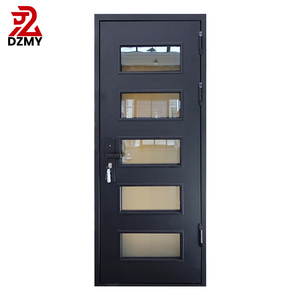
Custom Steel Glass Door Entrance Design Frame Ideal For Apartments Villas Weatherproof
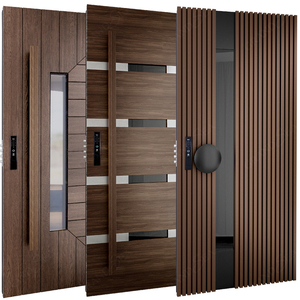
Luxury American Security Entry Doors Entrance Pivot Aluminum Profile Door Exterior Armored
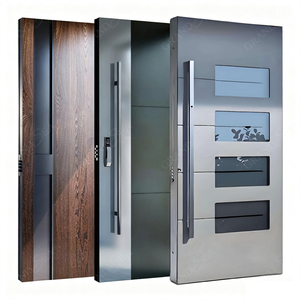
Luxury Modern American Aluminum Smart Security Steel Armored Solid Wood Pivot Door
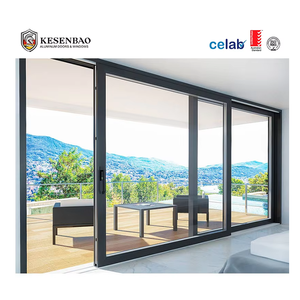
AS2047 Australia Balcony Aluminum Sliding Glass Door Large Double Tempered Stacker Doors
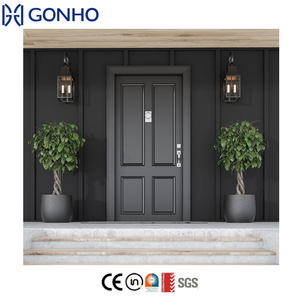
Fangda Designs Throughout Villa Popular Modern Exterior Front Entry Door For Houses
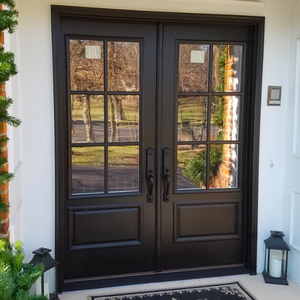
Custom Villa Main Entrance Door Aluminum Casement Double Tempered Glass Insulation
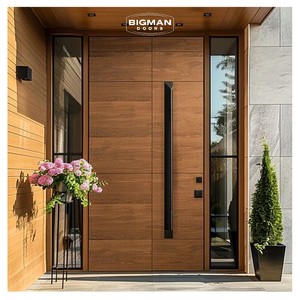
Premium Solid Walnut Front Entry Door with Double Sidelight Modern Waterproof Design
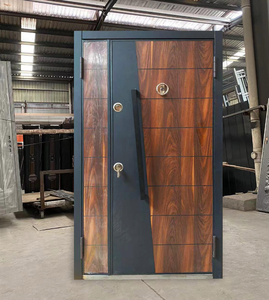
TECHTOP High-Quality Steel Security Door Exterior Modern Luxury Surface Durable
Industry Whitepaper: Comprehensive Analysis of Top 10 Global Manufacturers & Exporters
In coastal environments subject to Category 3 through Category 5 hurricanes, entryways represent the primary barrier preventing structural envelope breach. When wind velocity exceeds 140 mph (62 m/s), wind-borne debris can fracture standard architectural glazing and buckle unreinforced frame mullions, leading to rapid internal pressurization and roof lift-off. Selecting a certified hurricane-resistant front door manufacturer requires evaluating rigorous engineering compliance, including Florida Building Code (FBC) testing protocols, Miami-Dade Notice of Acceptance (NOA), and ASTM E1886/E1996 Large Missile Impact resistance.
Below is an engineering benchmark analysis of the global market leaders providing factory-direct impact doors for high-velocity hurricane zones (HVHZ) and severe coastal windstorm zones:
| Manufacturer / Brand | Primary Material & Core Tech | Max DP Rating | Key Testing & Certifications | Primary Export Regions |
|---|---|---|---|---|
| Fortor Security Door Co., Ltd. | Thermal Break 6063-T6 Alum + Steel Armor | DP70 - DP100 | Miami-Dade NOA, NFRC, AS2047, CSA, ASTM E1996 | North America, Caribbean, Australia, UK |
| PGT Innovations (CGI / WinDoor) | Heavy-Gauge Extruded Aluminum & Impact Vinyl | DP65 - DP90 | HVHZ Approved, FBC Product Approval, AAMA 101 | USA, Caribbean Basin |
| Therma-Tru Doors | Fiberglass Composites & Steel Skins | DP50 - DP75 | ASTM E330, TAS 201/203, ENERGY STAR | North America, Central America |
| Andersen Windows & Doors | Fibrex® Composite & Aluminum Clad Wood | DP60 - DP80 | WDMA/AAMA/CSA 101/I.S.2/A440, FBC Listed | Global Architecture Projects |
| Kolbe Windows & Doors | Commercial Architectural Aluminum Clad | DP65 - DP85 | IPD Impact Certified, High Velocity Wind Zone | North America, Europe |
| ES Windows (Energia Solar) | Structural Extruded Aluminum Systems | DP70 - DP100 | Miami-Dade NOA, TAS 201/202/203, NFRC | USA, South America, Caribbean |
| Marvin Windows and Doors | Ultrex® Fiberglass & Extruded Aluminum | DP55 - DP75 | Coastline Impact Certified, AAMA Gold Label | North America, Asia-Pacific |
| JELD-WEN Architectural | AuraLast® Wood, Steel & Fiberglass | DP50 - DP70 | FBC Approved, Texas Dept of Insurance (TDI) | Worldwide Distribution |
| Solaris Architectural Facades | Structural Steel Glass Curtain & Entry | DP80 - DP110 | EN 12600, ASTM E1996 Level D/E | Europe, Middle East, USA |
| Euroline Steel Windows | Cold-Rolled High Tensile Steel Framing | DP75 - DP95 | Miami-Dade NOA, Florida Product Approval | Global Luxury Residential |
Global B2B Sourcing & Procurement Trends for Storm Resilient Entrances
The global hurricane-resistant door market is undergoing a structural paradigm shift driven by tightening building regulations, aggressive climate adaptation mandates, and evolving architectural demands for oversized fenestration. Procurement managers, commercial contractors, and real estate developers are shifting away from traditional wood or light-gauge uninsulated entry systems toward high-performance thermal break armored aluminum and structural steel composites.
1. High-Velocity Hurricane Zone (HVHZ) Mandatory Compliance
Specifiers in South Florida, the Caribbean Basin, and coastal Australia now require full TAS 201 (Large Missile Impact), TAS 202 (Static Air Pressure), and TAS 203 (Cyclic Wind Pressure Loading) verification directly from overseas manufacturers before issuing purchase contracts.
2. Decoupled Thermal Performance (Polyamide Struts)
Historically, heavy steel or solid aluminum entry doors created severe thermal bridging, causing condensation and interior energy loss. Future procurement contracts specify continuous multi-cavity Polyamide (PA66GF25) thermal breaks integrated with triple-sealed Low-E impact glass.
3. Smart Security Integration with Multi-Point Locking
B2B buyers are demanding factory-integrated motorized multi-point mortise lock systems. Modern front entry assemblies combine biometric access (fingerprint/facial recognition) with 304/316 stainless steel hook bolts that engage at 5 to 7 structural points along the jamb during windstorm conditions.
Product Engineering Trends: Next-Generation Storm Protection Tech
The engineering behind impact-rated doors has evolved far beyond applying thicker glass. Modern manufacturing leverages advanced composite metallurgy, structural resin interlayers, and high-performance elastomeric seals:
A. SGP (SentryGlas® Plus) vs. Standard PVB Interlayers
Standard impact glazing utilizes Polyvinyl Butyral (PVB) film. However, leading hurricane door exporters now standardise on Ionoplast SGP (SentryGlas®) interlayers. SGP is up to 5 times stiffer and 100 times tougher than traditional PVB. In the event of glass fracture under missile impact (such as a 9-lb 2x4 timber fired at 50 ft/s), the SGP interlayer keeps the laminated panel standing upright without sagging or bowing under subsequent high-cycle wind loads (up to +100/-100 PSF).
B. Oversized Pivot Systems with Internal Torsion Rods
Architectural preferences lean heavily toward grand entrances reaching 3.5 to 4.5 meters in height and up to 2 meters in width. To prevent heavy impact pivot doors (weighing upwards of 350 kg) from sagging or warping over time, manufacturers integrate heavy-duty floor-mounted hydraulic pivots paired with internal structural steel reinforcement cages and adjustable anti-warp tension rods.
Structural Engineering Benchmark: ASTM E1996 Impact Testing Criteria
Level D Missile Impact: A 9-lb (4.1 kg) 2x4 wooden board striking the door surface at 50 fps (34 mph / 55 km/h).
Level E Missile Impact (Essential Facilities): A 9-lb (4.1 kg) 2x4 wooden board striking at 80 fps (55 mph / 88 km/h). Exporters catering to critical commercial infrastructure must maintain Level E certification across their fenestration lines.
Enterprise Capability & Manufacturing Advantages: Fortor Security Door Co., Ltd.
As a direct manufacturing powerhouse located in Guangdong, China, Fortor Security Door Co., Ltd. (Fortor Entry Door) operates an ultra-modern 20,000 square meter production center dedicated to the custom engineering and global export of certified aluminum doors, structural windows, retractable sunrooms, and armored front entry systems.
17+ Years Manufacturing Rigor
Controlling profile extrusions, precision CNC machining, corner crimping, glass lamination, and multi-point hardware integration completely in-house to maintain zero defect rates across international shipments.
Certified Global Compliance
Extensively tested to meet or exceed North American NFRC, Australian AS 2047, CSA, ENERGY STAR, and AAMA strict structural loading and water infiltration metrics.
30+ Country Logistics & Support
Exporting to over 30 countries with heavy-duty fumigated wooden crate packaging, localized partner showrooms in California (USA), Canada, Australia, and the Caribbean for seamless after-sales support.
Whether supplying high-end beachfront residential developments or commercial hospitality resorts, Fortor provides full CAD/BIM shop drawings, custom structural calculations, and OEM/ODM engineering customization to ensure smooth permit approvals with local authorities.