Featured Villa Entry Door Systems & Manufacturing Benchmarks
Explore eight premier architectural villa doors fabricated by Fortor Security Door Co., Ltd., engineered with multi-chamber thermal breaks, reinforced stainless steel substructures, and cyclone-rated glazing assemblies.
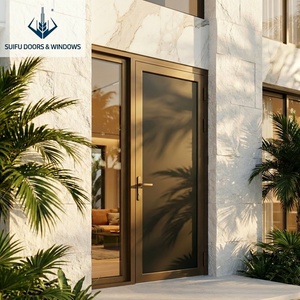
French Style Aluminum Alloy Swing Front Entry Door AS2047 Double Glazed Hurricane Proof Entrance Door
- Compliance: AS2047 / AS1288 Tested
- Profile: 2.5mm Thermal Break 6063-T6
- Glazing: 6mm+12Ar+6mm Low-E Toughened
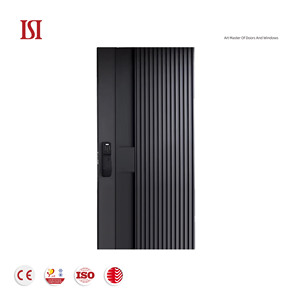
European Luxury Entrance Doors with Anti-Theft Security Modern Residential Exterior for Luxury Villas Manual Opening
- Security: EN 1627 Class RC4 Multi-Lock
- Core: Aviation Aluminum + Mineral Wool
- Finish: AkzoNobel Fluorocarbon Texture
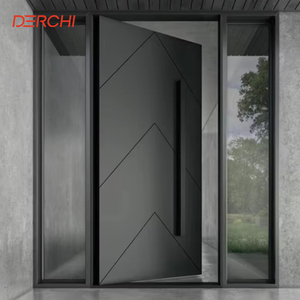
Customized Heavy Duty Residential Front Entry Doors Hurricane Impact Exterior Aluminum Villa Entrance Door
- Design Wind: +/- 4500 Pa Structural Load
- Hardware: German Heavy Duty Concealed Hinges
- Seal: Triple EPDM Gaskets (Continuous)
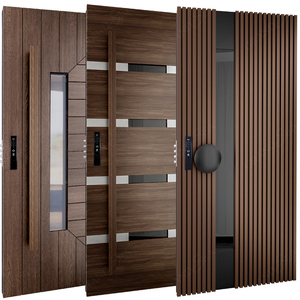
Residential Exterior Aluminum Security Entrance Door Aluminum Blast Front Door With Security Features For Villas
- Protection: Reinforced Anti-Ballistic Alloy Core
- Locking: Automated Motorized Multi-Bolt
- Acoustics: Rw 43 dB Noise Reduction
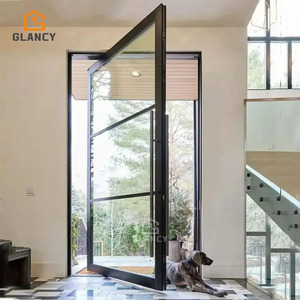
Customized Size Modern Pivot Doors Aluminium External Glass Door Single Patio Door Glass Outdoor For Houses Villa US Australia
- Capacity: Up to 500kg Concealed Pivot Hinge
- Dimension: Custom Spans to 4.2m Height
- Standard: NFRC / USA Energy Star Compliant
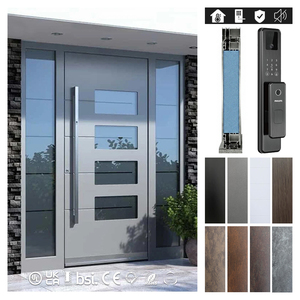
British Detached House Modern High Strength Matte Gray Finish Stainless Steel Tempered Glass Security Door with Double Sidelite
- Structure: 304 Stainless Cladding + Aluminum
- Glazing: Triple Glazed Privacy Sandblasted
- Thermal U: U-factor 0.95 W/(m²·K)
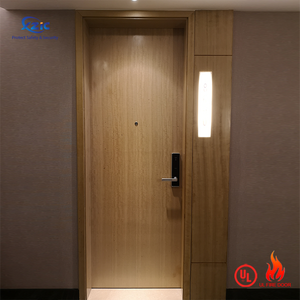
Hotel Guest Fireproof Room Door Fire Wooden Door UL 90 Minutes Fire Rated Interior Door for Inn BNB Lobby
- Rating: UL 10C / NFPA 252 90 Minutes
- Core: Perlite Hydrated Firestop Board
- Integration: Magnetic Electronic Card Lock
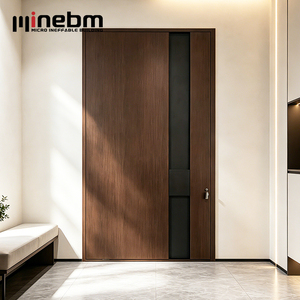
Italian Luxury Design Entrance Door Exterior Security Front Pivot Door Modern Entry Pivot Door
- Aesthetics: Flush Coplanar Sintered Stone Panel
- Mechanism: Dormakaba Concealed Hydraulic Pivot
- Smart Access: Biometric 3D Face Recognition
Executive Industry Whitepaper: The Global Sourcing Paradigm for Villa Entrance Systems
In the domain of luxury residential architecture, a front entrance door is no longer treated as a simple partition or decorative millwork assembly. It is a critical structural facade element responsible for envelope thermal integrity, severe weather mitigation (such as hurricane wind pressures and salt-spray corrosion), and certified perimeter forced-entry deterrence. Selecting from the top villa entry door manufacturers and factories requires commercial procurement teams and architectural specifiers to look past cosmetic finishes and conduct rigorous technical due diligence on alloy metallurgy, thermal barrier continuity, pivot engineering, and multi-jurisdictional compliance testing.
Historically, luxury villa doors were dominated by boutique European fabricators (predominantly in Northern Italy, Germany, and Switzerland) who excelled in high-precision hardware and minimalist aesthetics. However, protracted lead times exceeding 26 to 34 weeks, rigid customization ceilings, and exorbitant shipping costs have driven high-end homebuilders and commercial contractors toward technologically advanced mega-fabricators. Today, top-tier Chinese manufacturers such as Fortor Security Door Co., Ltd. represent the apex of competitive engineering, housing 20,000㎡ production campuses capable of combining aerospace-grade 6063-T6 aluminum extrusion, CNC 5-axis machining, automated fluorocarbon coating lines, and integrated German hardware partnerships—slashing project lead times by 50% while fully satisfying Australian AS 2047, North American NFRC/Miami-Dade, and European CE/EN standards.
Comparative Matrix: Top 10 Villa Entry Door Manufacturers & Production Clusters
To facilitate procurement auditing, our engineering panel evaluated the primary manufacturing tiers active in the international luxury residential market:
| Manufacturer / Cluster Tier | Core System Specialization | Max Panel Height / Weight | Thermal U-Factor W/(m²·K) | Certification Benchmarks | B2B Lead Time |
|---|---|---|---|---|---|
| Fortor Security Door Co., Ltd. (China) | Custom Architectural Pivot, Hurricane Impact, Anti-Theft Security | Up to 4.5m / 650 kg | 0.85 – 1.20 (Aerogel / PA66) | AS2047, NFRC, CSA, CE | 4 – 6 Weeks |
| Schüco International Partners (Germany) | Modular System Profiles, Passive House Integrated Hinges | Up to 3.2m / 350 kg | 0.78 – 1.10 (SI Technology) | ift Rosenheim, CE, DIN | 16 – 24 Weeks |
| Reynaers Aluminium Fabricators (Belgium) | MasterLine Pivot Systems, Flush Contemporary Portals | Up to 4.0m / 500 kg | 0.88 – 1.30 (Multi-Chamber) | Qualicoat, CE, CWCT | 18 – 26 Weeks |
| Oikos Venezia (Italy) | Synua Architectural Safety Doors, Bespoke Ceramic Cladding | Up to 3.5m / 550 kg | 1.00 – 1.60 (Solid Armored) | ENV 1627 RC3/RC4 | 20 – 28 Weeks |
| Pivot Door Company / Fleetwood (USA) | High-End Minimalist Glass & Aluminum Pivot Portals | Up to 4.2m / 400 kg | 1.25 – 1.80 (Standard Low-E) | AAMA, NFRC, Florida NOA | 14 – 20 Weeks |
Next-Generation Engineering Trends Shaping Luxury Villa Entrances (2025–2030)
Commercial procurement directors and specifiers are managing projects under radically changing climate guidelines and smart building standards. As villas scale in gross square footage and architectural grandiosity, entrance doors are experiencing four evolutionary hardware and architectural shifts:
Hydraulic Floor-Concealed Pivot Technology
Moving away from traditional butt hinges, oversized leaves weighing between 300kg and 700kg now rely on self-closing hydraulic pivots concealed flush inside the bottom profile or subsurface slab. These systems feature 360-degree adjustable braking speeds, hold-open detents at 90°, and active dampening to prevent slam-induced panel deformation.
Extreme Weather & Missile Impact Resistance
With luxury coastal residences expanding across Florida, the Caribbean, and Northern Australia, doors require certified resilience against windborne debris. Top factories deploy 6061-T6 structural stiffeners inside door leaf perimeters alongside laminated glass with 1.52mm or 2.28mm SentryGlas (SG) interlayers that withstand 9-lb 2x4 lumber missile impacts traveling at 50 ft/s.
Biometric Automation & Matter Ecosystems
High-net-worth villa owners demand seamless touchless authentication. Advanced factory integration now embeds 3D structural-light face recognition sensors, hidden capacitive palm-vein scanners, and automated motorized multi-point mechanical bolts (such as KFV Genius or Siegenia) compatible with Crestron, Control4, and Matter home automation networks.
Thermal Decoupling & Aerogel Infusion
To satisfy stringent zero-carbon building directives (such as German Passivhaus and California Title 24), modern aluminum entry systems utilize Technoform PA66 GF25 low-conductive polyamide bars up to 34mm wide, complemented by aerospace-grade aerogel insulating battens achieving system U-factors as low as 0.75 W/(m²·K).
Architectural Material Fusion: Sintered Stone
Pure metallic visual aesthetics are shifting toward natural textures. Cutting-edge factories now laminate 6mm to 9mm Italian ultra-compact porcelain slabs, sintered stone, natural copper patina, and carbonized solid timber veneers onto aluminum honeycombed torsion panels—ensuring zero warp under UV radiation and weathering.
AAMA 2605 Fluorocarbon Coating Standards
For coastal villa developments, standard polyester powder coating fails within 3 to 5 years under salt fog. Factory whitepapers now mandate 100% 3-coat 70% Kynar 500 / Hylar 5000 PVDF resins complying with AAMA 2605 specifications, guaranteeing over 10 years of color retention, chalk resistance, and zero corrosion blister degradation.
Enterprise Strength: Fortor Security Door Co., Ltd. As Your Global Project Partner
Selecting the correct manufacturing entity is the single most critical risk-mitigation step for overseas architectural supply chains. Headquartered in Guangdong, China, Fortor Security Door Co., Ltd. stands apart from intermediate trading vendors by managing an integrated 20,000 square meter fabrication facility with over 17 years of dedicated door and window engineering excellence. Serving architects, luxury general contractors, and trade dealers across more than 30 nations—including the United States, Canada, Australia, the United Kingdom, and the Caribbean—Fortor provides unbroken traceability from extrusion billets to crated job-site deliveries.
Total In-House Fabrication & Quality Control
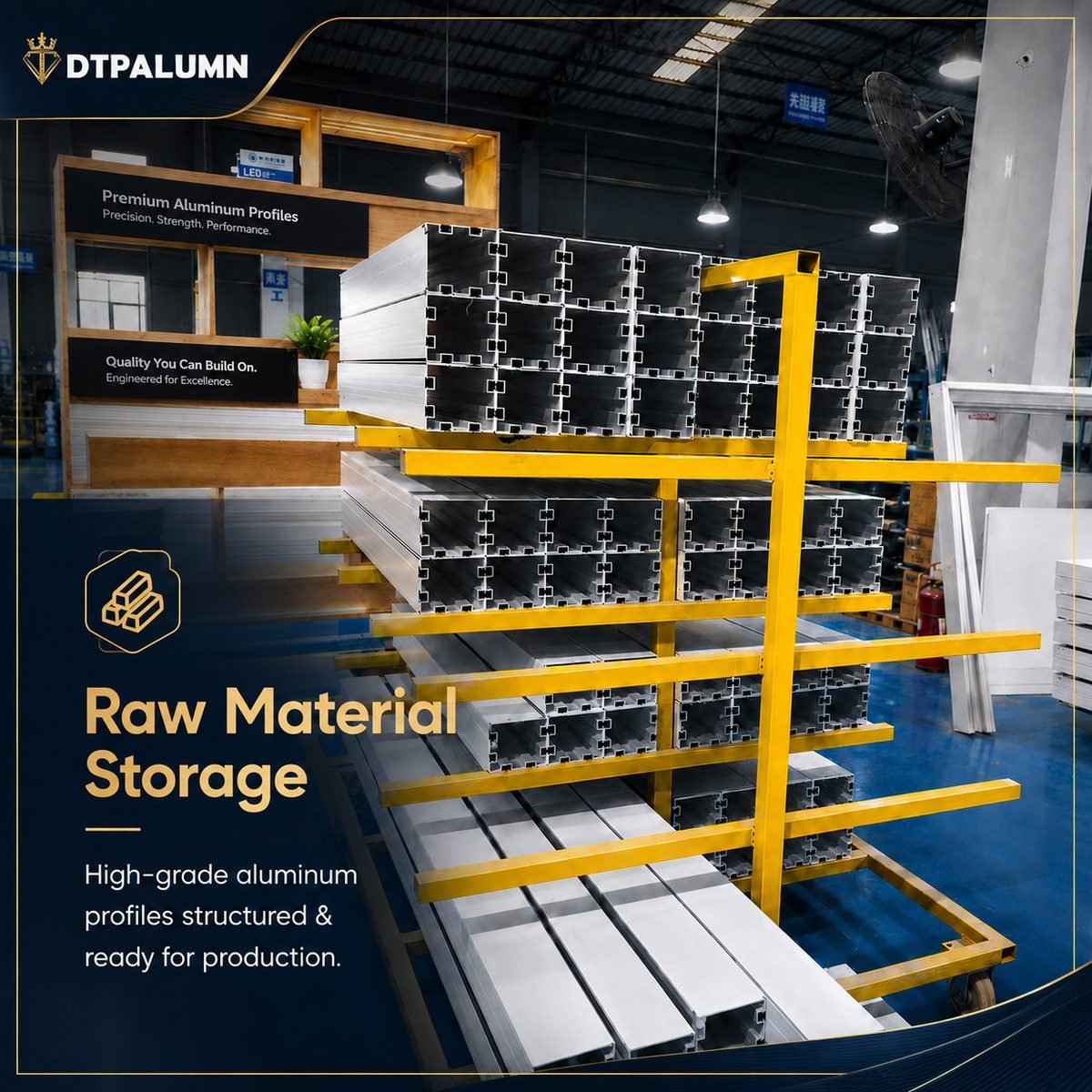
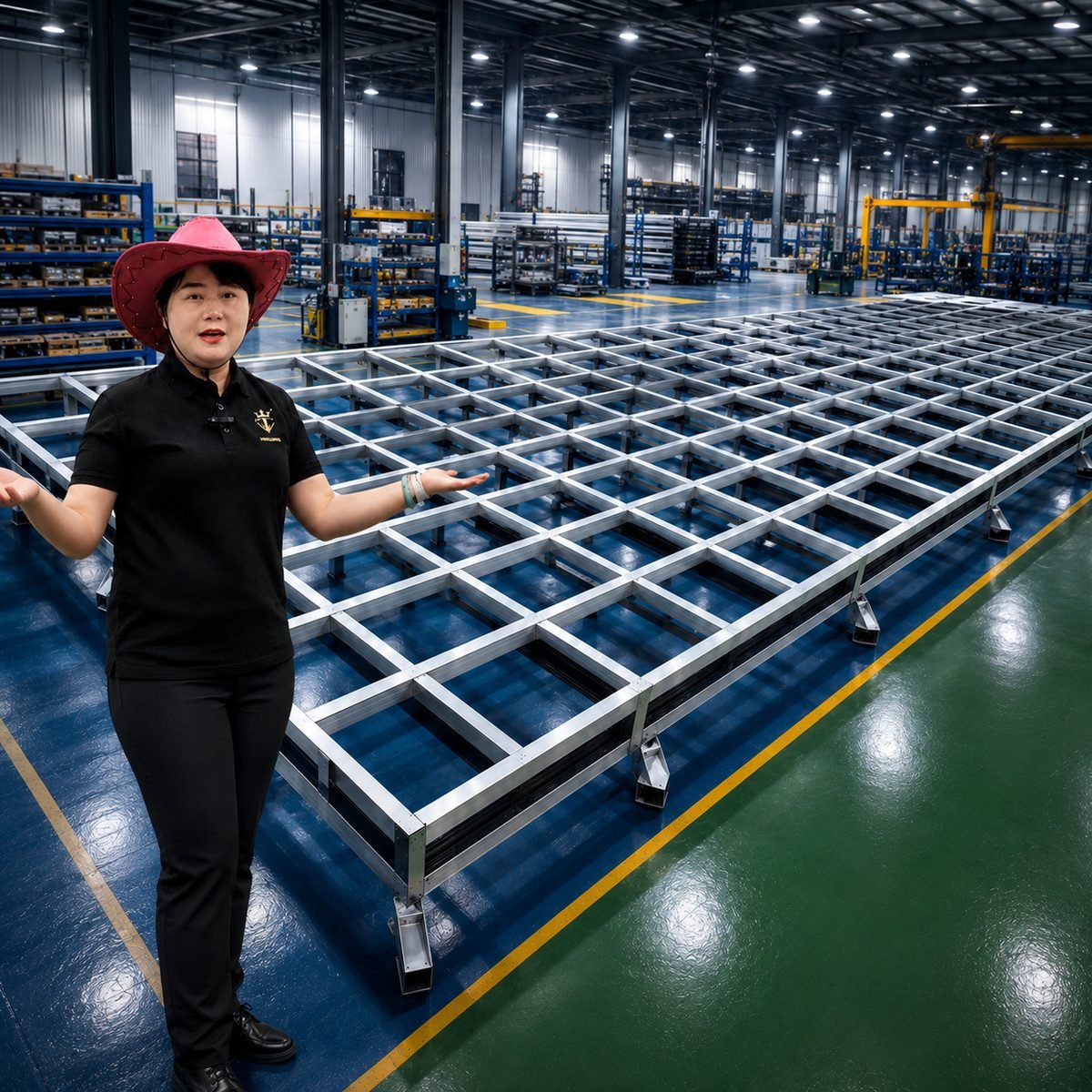
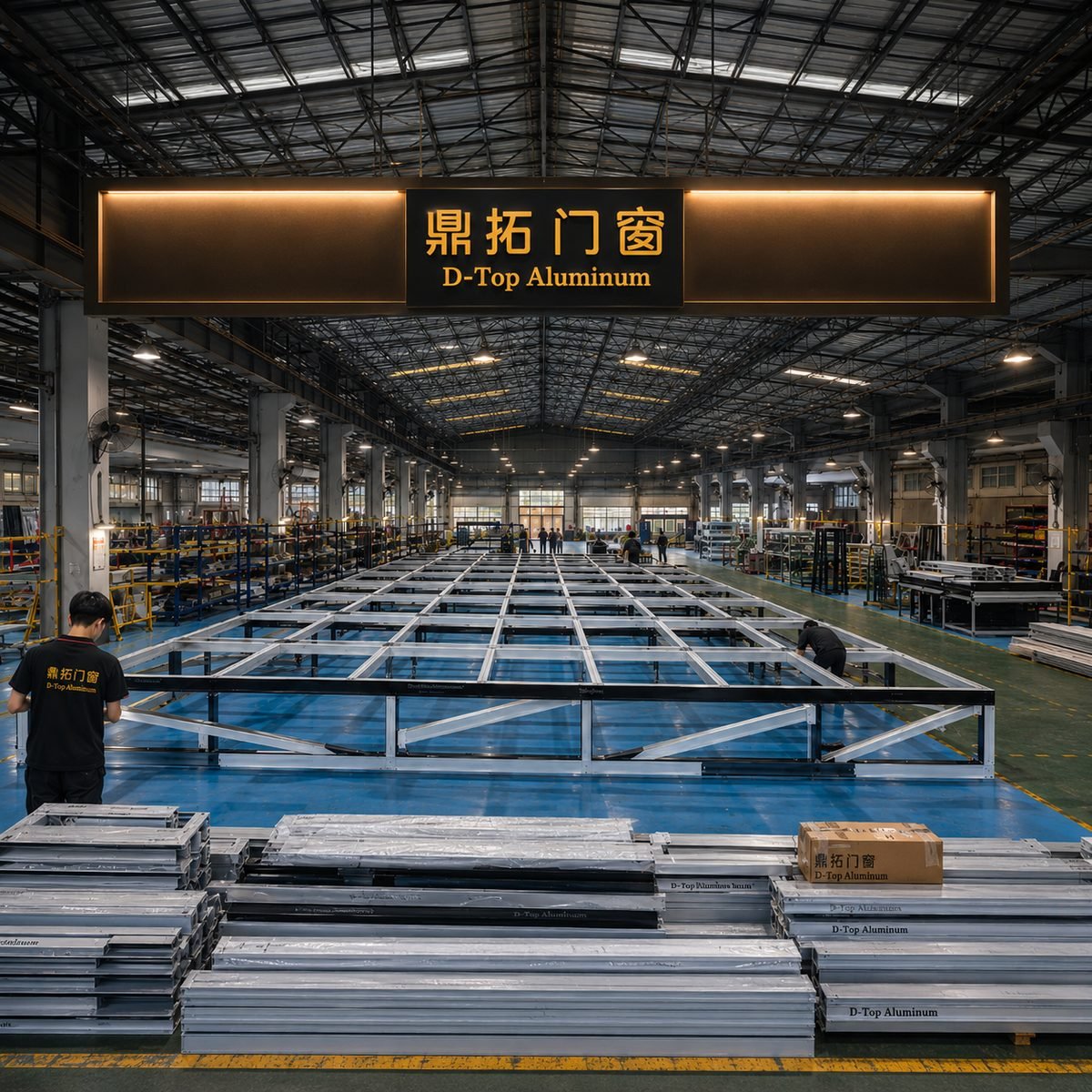
Fortor operates computerized CNC profile cutting centers, robotic multi-angle milling machines, automated corner crimping stations, and dust-free glass assembly cleanrooms. Every single custom entry door undergoes a 100% full dry-assembly sequence prior to packing, verifying diagonal tolerances under 1.0mm, latching bolt resistance, and hydraulic closer operating pressures.
- Factory Footprint: 20,000㎡ Modern Production Facilities
- Annual System Capacity: 50,000+ Square Meters Finished Facades
- International Presence: US Showroom located in Hayward, California
- Testing Compliance: NFRC, AS 2047, CSA, ENERGY STAR Certified
- Packing Engineering: Full Marine-Plywood Crating with Foam Cushioning
Compliance Blueprint: Critical Standards for Cross-Border Villa Door Procurement
Procuring exterior entry doors internationally presents fatal compliance hazards if regional building codes are misunderstood. Top manufacturers engineer series-specific variants tested against local structural loads, air water tightness indices, and thermal benchmarks:
Australian Standards: AS 2047 & AS 1288
Australia enforces some of the world's most stringent fenestration mandates. Products must pass AS 2047 testing for structural deflection under positive and negative pressures (Serviceability Limit State - SLS, and Ultimate Limit State - ULS), zero water ingress at designated pressure thresholds, and compliant safety glazing adhering to human-impact criteria defined by AS 1288.
North America: NFRC & Miami-Dade NOA
In North America, specifiers mandate NFRC thermal ratings (U-Factor, Solar Heat Gain Coefficient - SHGC, and Visible Transmittance - VT). For coastal jurisdictions along the Gulf Coast and Florida, manufacturers must demonstrate Notice of Acceptance (NOA) or Florida Product Approval, passing TAS 201 (large missile impact), TAS 202 (uniform static air pressure), and TAS 203 (cyclic pressure load).
European Standard: EN 1627-1630 (RC2/RC3/RC4)
Security door ratings in the UK and EU center on Resistance Class (RC) standards. Villa perimeter doors are evaluated against static loading, dynamic pendulum impacts, and deliberate forced-entry tool attacks using crowbars, chisels, and power tools. High-end villa specifiers typically mandate a minimum rating of RC3 or RC4 alongside CE declaration of performance.
Strategic B2B Procurement FAQ: In-Depth Engineering Answers for Importers & Contractors
Direct technical clarifications addressing the most common cross-border engineering, logistical, and warranty challenges faced by developers, importers, and architects:
Initiate Your Villa Entry Door Project Engineering Review
Send elevation plans, rough opening schedules, or custom architectural concepts. Our facade engineers will provide structural calculation checks, system recommendations, thermal U-factor ratings, and quotation breakdowns within 24 hours.