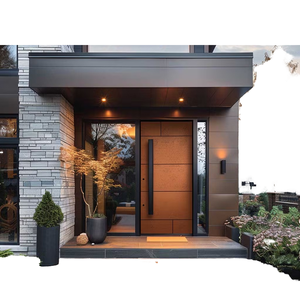
Sunnysky NFRC Modern Aluminium Security Pivot Door
- Security RatingEN 1627 RC3 / NFRC
- Profile Thickness3.0mm T6 Aluminum
- Locking System5-Point Automatic Hook
Engineered for luxury residential villas, high-end commercial properties, and extreme-weather architectural applications worldwide. Built to EN 1627 RC2/RC3/RC4 and PAS 24 standards.
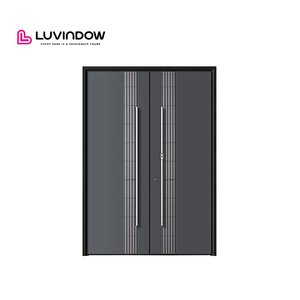
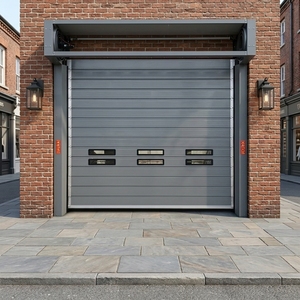
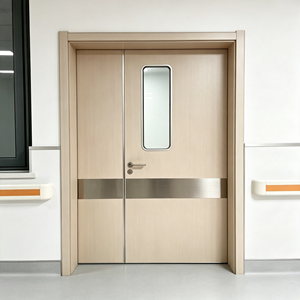
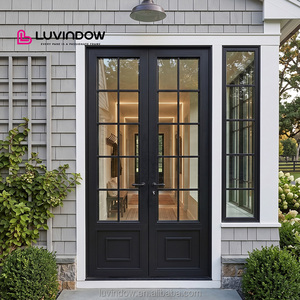
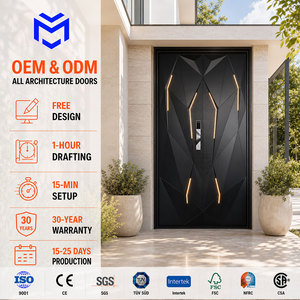
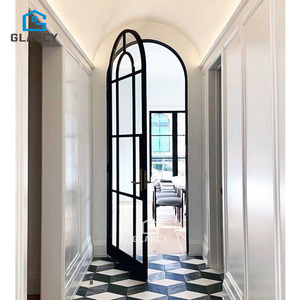
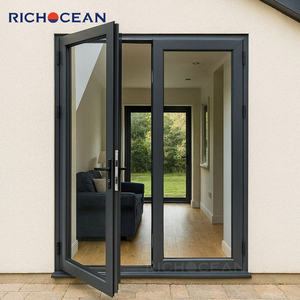
In modern architectural design, securing high-value luxury residences, retail store fronts, and corporate headquarters against forced physical entry requires an uncompromising synthesis of structural metallurgy, precision hardware integration, and advanced security glazing. Traditional aluminum doors often fail under targeted physical attacks due to profile deflection, hardware shearing, or glass dislodgement. As a premier burglar resistant aluminum door factory and exporter, Fortor Security Door Co., Ltd. re-engineers entry systems from the alloy level up to exceed international anti-burglary benchmarks including European EN 1627–1630 (RC2 to RC4) and British PAS 24:2022 standards.
Core Architectural Takeaway: Physical security is not determined by a single lock mechanism, but by the structural continuity of the door system—where frame wall thickness, internal corner bracing, hinge-pin shearing resistance, and laminated glass bond strength operate as a unified defense envelope.
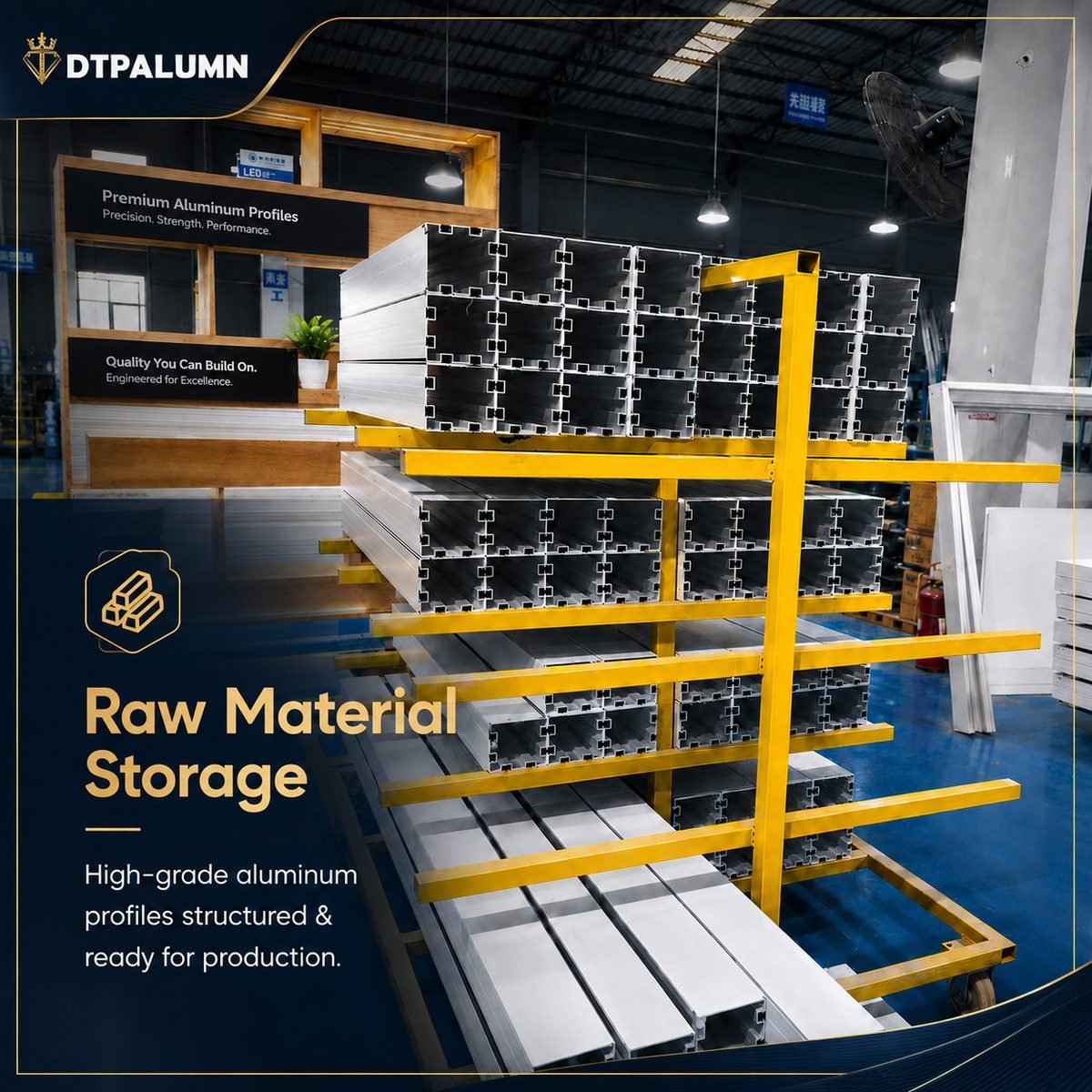
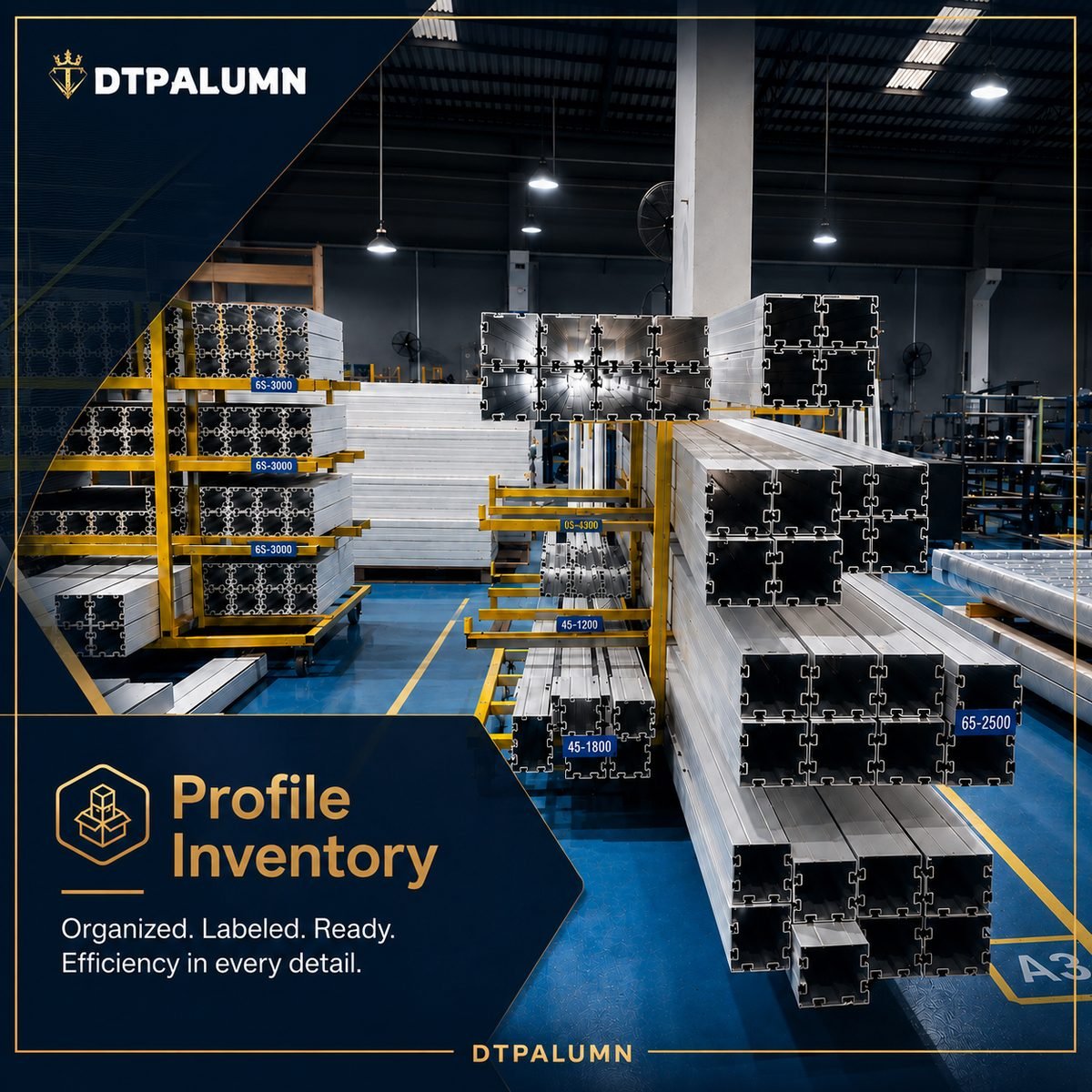
Standard residential aluminum doors typically utilize 6063-T5 aluminum extrusions with profile wall thicknesses ranging from 1.2mm to 1.4mm. While lightweight, these profiles lack the torsional rigidity necessary to resist lever attacks using heavy pry bars, crowbars, or hydraulic splitters. Our security door series utilizes prime-grade 6063-T6 or 6061-T6 structural aluminum alloys engineered with heavy-duty outer wall thicknesses between 2.0mm and 3.0mm.
Inside the profile chambers, Fortor integrates multi-cavity web structures reinforced with continuous stainless steel stiffening plates or high-density glass-fiber reinforced polyamide (PA66GF25) structural insulation strips. This unique multi-chamber design prevents profile buckling during mechanical bending tests and provides superior thermal isolation without sacrificing structural shear resistance.
The primary vulnerability in forced-entry incidents occurs at the latch plate and hinge points. Fortor’s high-security entrance doors discard single-point latches in favor of German-engineered mechatronic 3-point to 7-point automatic locking systems featuring solid steel hook bolts, saw-resistant deadbolts, and hardened manganese steel anti-drill plates protecting the lock box.
To neutralize hinge-side prying attacks—where intruders attempt to saw through or pop hinge pins off exposed surfaces—our doors feature integrated 3D-adjustable concealed security hinges equipped with heavy-duty anti-pry locking dogs (steel security studs). When the door leaf closes, these solid stainless steel studs interlock directly into reinforced receivers inside the outer aluminum frame, locking the hinge side in place even if the external hinge hardware is cut away.
| Classification Level | Target Threat Profile | Tested Attack Tools | Min. Resistance Time | Fortor Engineering Spec |
|---|---|---|---|---|
| Standard Aluminum | Opportunistic / Casual physical force | Hands, feet, simple shoulder impact | 0 Minutes (Immediate Breach) | 1.4mm profile, single latch point |
| EN 1627 RC2 | Casual burglar using basic hand tools | Screwdrivers, pliers, wedges, pipe wrenches | 3 Minutes active contact | 2.0mm profile, 3-point hook lock, toughened glass |
| EN 1627 RC3 | Experienced burglar targeting high-value sites | Crowbars (710mm), hand drill, claw hammer, punch tools | 5 Minutes active contact | 2.5mm T6 profile, 5-point auto-lock, SGP laminated glass |
| EN 1627 RC4 / Blast | Professional intruders / Organized threat | Heavy hammers, chisels, battery angle grinders, cordless drills | 10+ Minutes active contact | 3.0mm reinforced profile, 7-point steel deadbolts, bullet-resistant glass |
A common misconception among property developers is that standard double-glazed tempered glass offers burglar resistance. While tempered glass provides impact strength against blunt objects, a sharp punch or glass-breaking tool shatters it completely into tiny harmless granules, leaving the entryway open. Fortor integrates SGP (SentryGlas® Ionoplast) laminated structural safety glass into our security door range.
SGP interlayers are 5 times tougher and up to 100 times stiffer than conventional PVB (Polyvinyl Butyral) films. Even if the outer tempered glass layers are fractured under repeated impacts from heavy sledgehammers or axes, the rigid SGP interlayer maintains structural adhesion, holding the shattered glass matrix in place and preventing physical entry. Furthermore, for coastal projects subject to severe hurricanes or forced intrusion, our triple-glazed SGP units meet both Miami-Dade County hurricane impact standards and UL 752 Level 1-3 ballistic requirements.
Key technological advancements and regulatory shifts transforming commercial and high-end residential door procurement over the next decade.
Historical door designs forced architects to choose between thermal efficiency and burglar resistance. Future procurement demands dual-performance systems incorporating ultra-wide polyamide thermal breaks (PA66GF25) that achieve low U-factors (< 0.20 BTU/h·ft²·°F) while maintaining EN 1627 RC3 structural resistance under extreme thermal stress.
Biometric fingerprint scanning, facial recognition, and encrypted RFID access are moving from standalone add-ons to fully integrated internal motor locks. Modern B2B buyers require factory-prewired motorized multi-point locks compatible with smart home protocols (KNX, Crestron, Matter) and backup mechanical overrides.
Minimalist architectural trends demand oversized entry panels (up to 3 meters in width and 6 meters in height) with micro-narrow frame profiles. Achieving RC3 anti-burglary ratings on large-format pivot doors requires custom heavy-duty hydraulic floor pivots capable of supporting 500kg panel loads seamlessly.
Global climate events are driving demand for combined hurricane impact and anti-theft doors. In coastal jurisdictions such as Florida, the Caribbean, and Northern Australia, door systems must resist salt-spray corrosion (fluorocarbon PVDF surface finishes tested to 3,000+ hours ASTM B117) while passing cyclic wind pressure tests up to ±90 psf.
Leading international developers require Environmental Product Declarations (EPD) and LEED/BREEAM green building compliance. Utilizing primary recycled hydro-aluminum extruded under zero-waste manufacturing protocols ensures B2B importers meet strict carbon border adjustment policies.
Streamlined B2B procurement relies on rapid engineering turnarounds. Modern manufacturers provide architects with parametric BIM models (Revit, IFC) and shop drawings within 48 hours of project elevation submittal, reducing construction lead-time risks.
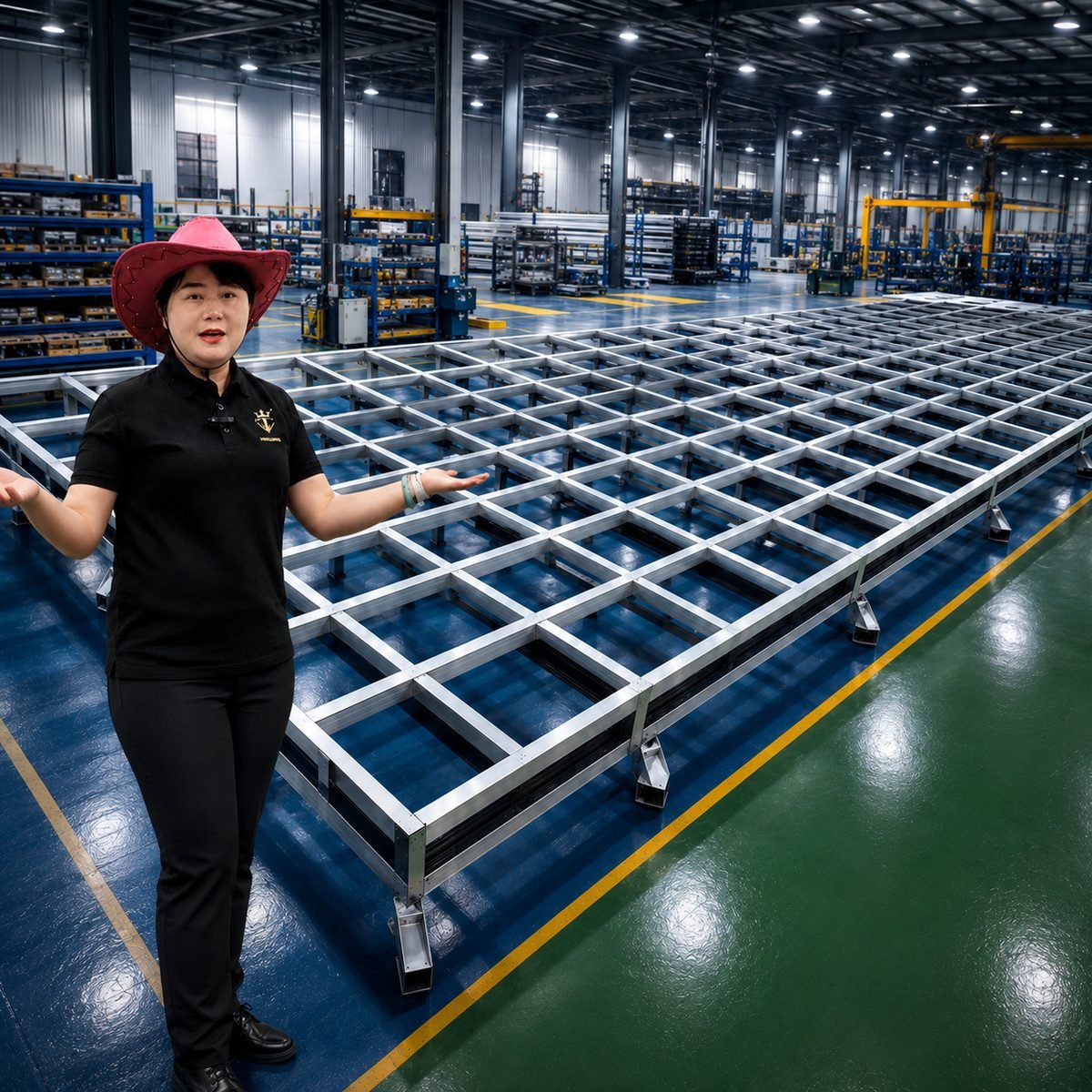
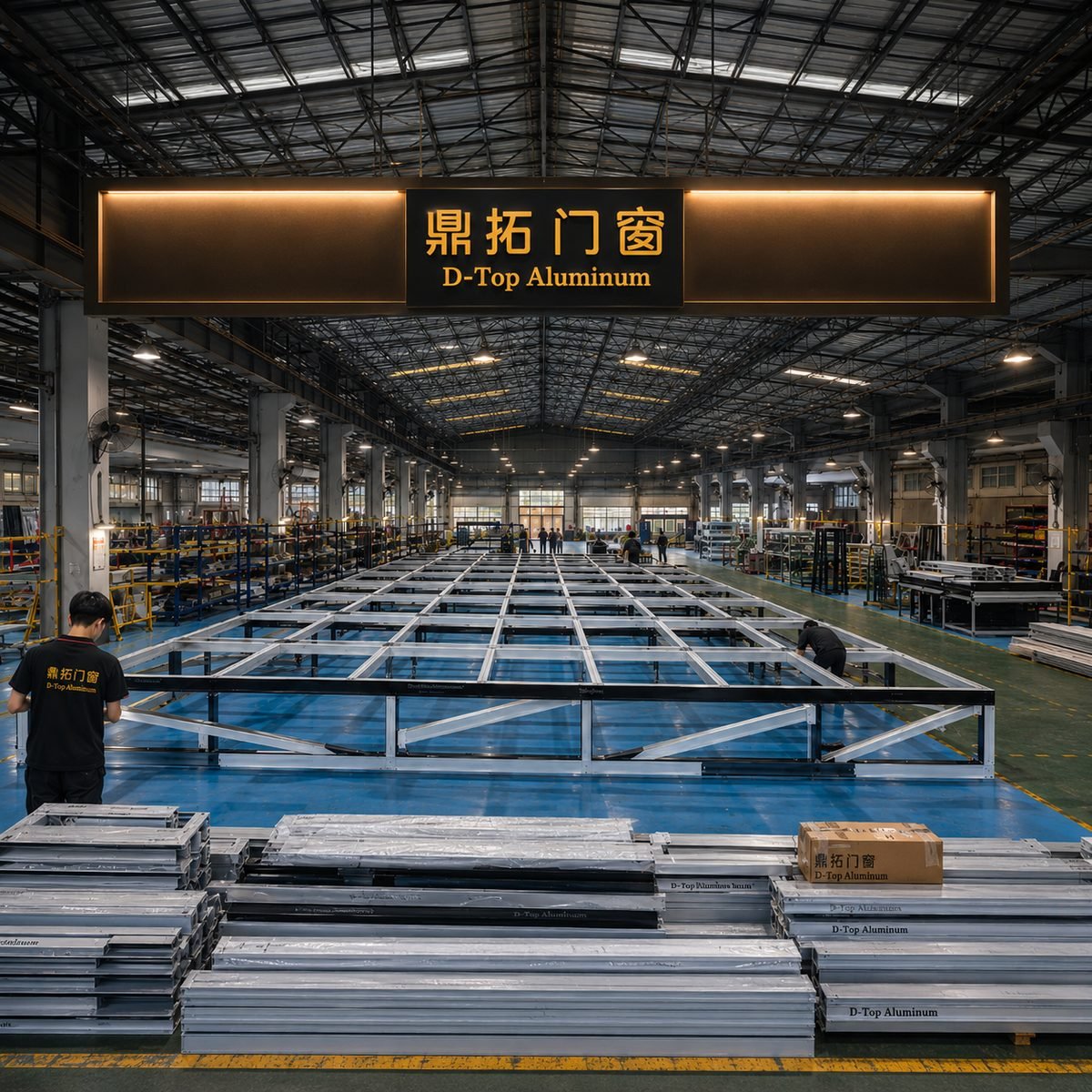
17+ years of dedicated aluminum window and door manufacturing excellence, operating out of our state-of-the-art 20,000㎡ industrial complex in Guangdong, China.
Unlike trading middleman companies, 100% of our profile cutting, CNC corner crimping, glass glazing, hardware fitting, and pre-shipment quality checks occur under one accountable roof in our owned 20,000㎡ factory.
Our window and security door product series are certified and tested against NFRC, AS 2047, CSA, ENERGY STAR, AAMA, and CE standards, providing seamless building code approval across USA, Canada, Australia, and UK markets.
Every custom security door is packed using multi-layer protective film, corner edge guards, shock-absorbing foam, and heavy-duty fully enclosed fumigated wooden crates ensuring 100% damage-free overseas shipping.
Direct technical answers addressing structural compliance, customization options, shipping logistics, and testing documentation.
Partner directly with China’s premier burglar-resistant aluminum door manufacturer. Send us your project drawings or specification requirements today to receive a comprehensive engineering analysis and competitive factory-direct proposal within 24 hours.