Featured Architectural Entry & Exterior Door Systems
Engineered for extreme climate performance, structural wind-load resistance, acoustic isolation, and forced-entry protection in luxury residential and commercial developments.
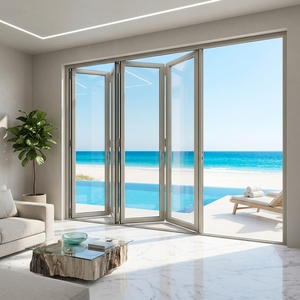
Factory Customized Modern Interior Bi-fold Outdoor Balcony Frameless Glass Doors for Hotels Panoramic Indoor Sliding Accordion
- U-Factor: 0.24 BTU/h·ft²·°F
- Acoustic Rating: STC 38 dB
- Track System: Heavy-Duty Stainless Steel
- Glass Type: Double Tempered Low-E
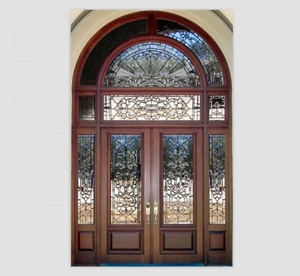
Solid Wood Luxury Big Size Entrance Door with Transom 10 Feet Height
- Core Insulation: High-Density PU Foam
- Height: Up to 10ft (Custom CAD)
- Security: Multi-Point Mortise Lock
- Finish: UV-Resistant Fluorocarbon
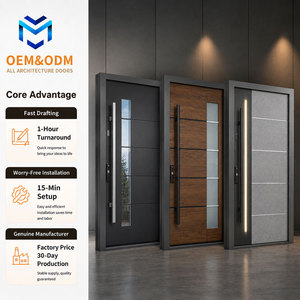
Factory Best-Seller Custom Anti Steal Strong Device Armoured Stainless Steel Security Front Entry Doors
- Anti-Theft Class: RC4 / EN 1627 Tested
- Material: SUS 304 Stainless Steel
- Infill: Fireproof Rockwool + PU
- Weatherstripping: Triple EPDM Gaskets
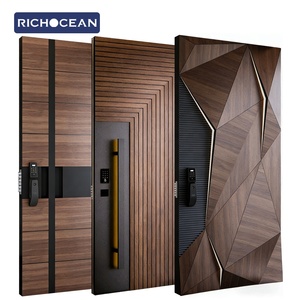
Richocean Luxury Bulletproof Lamborghini Front Entry Door Aluminum Storm Security Voordeur Residential Doors
- Armour Grade: BR4 / NIJ Level III-A
- Wind Resistance: Miami-Dade Hurricane Tested
- Smart Access: Biometric / RFID Integration
- Thermal Break: PA66 GF25 Polyamide
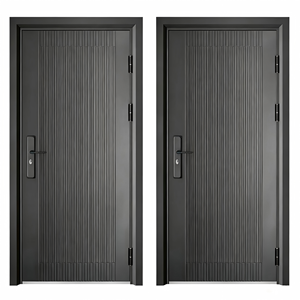
Modern-style Security Door With High-strength Anti-theft Structure For Safe Home Entry Door
- Structure: Reinforced Steel Ribs
- Hinges: Invisible 3D Adjustable
- Acoustics: STC 42 dB Insulation
- Locking: 12-Point Automated Bolt System
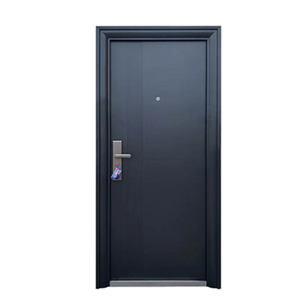
Custom Size Anti-Theft Galvanized Steel Security Front Entry Door Modern Exterior Steel Door For Villa Apartment House
- Corrosion Protection: Hot-Dip Galvanized Steel
- R-Value: R-8.5 Thermal Efficiency
- Sash Thickness: 70mm / 90mm Option
- Application: Villas & High-End Residential
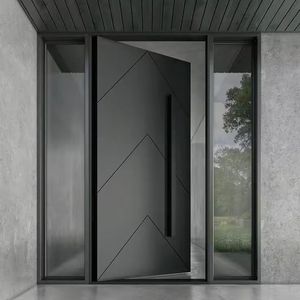
Modern Pivot Door Anti-Theft Minimalist Aluminum Finished Entry For Apartment And Villa Outdoor Use
- Mechanism: Floor-Spring Heavy Pivot
- Load Capacity: Up to 500 kg Panel Weight
- Thermal Barrier: Polyamide Insulated Core
- Sightlines: Ultra-Slim Architectural Profile
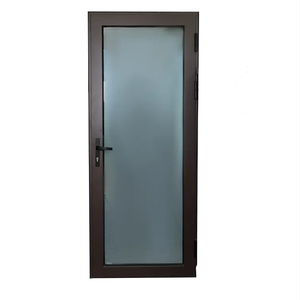
RG50 Casement Door Soundproofing Double Tempered Glass Aluminum Doors Slim Open Door For Home
- Acoustic Reduction: STC 44 dB Soundproof
- Glazing Unit: 6mm+12Ar+6mm Low-E
- Seal Structure: Continuous Dual Perimeter Gasket
- System Depth: 50mm Slim Profile
Engineering Insulated Exterior Entrance Systems: Thermal, Security, and Material Mechanics
In modern architectural building envelopes, the entrance door represents the most technically complex interface between interior environmental control and external structural pressure. Sourcing insulated entry doors from trusted B2B factories requires evaluating critical engineering parameters far beyond superficial aesthetics: Thermal Transmittance (U-Factor), Air & Water Tightness, Structural Wind-Load Capacity, and Forced Entry Resistance (Anti-Theft Class).
Commercial buyers, architects, and real estate developers who prioritize energy efficiency are increasingly looking at energy codes like Energy Star 7.0, NFRC standards, Title 24, and Passive House (PHI) benchmarks. Achieving thermal insulation values as low as U-Factor ≤ 0.15 BTU/h·ft²·°F (R-value ≥ 6.7) demands specialized composite core construction, thermal break aluminum extrusions, and hermetically sealed insulated glass units (IGUs).
Thermal loss through exterior entry doors occurs via two primary mechanisms: conductive thermal bridging through the metal/solid core framing and convective air infiltration around perimeter seals. Modern high-density Polyurethane (PU) foam injection ($48\,\text{kg/m}^3$) combined with multi-chamber Polyamide (PA66 GF25) thermal break strips reduces conductive energy transfer by up to 68% compared to traditional non-thermal metal doors.
Comparative Analysis of Entry Door Core Insulation Materials
Selecting the right core insulation material directly influences acoustic isolation, thermal resistance, fire rating, and structural rigidness. The technical breakdown below compares four dominant core technologies utilized in top-tier door factories:
| Insulation Core Type | Thermal Conductivity (K-Value) | Density Range | Acoustic Isolation (STC) | Fire Resistance Rating | Ideal Application |
|---|---|---|---|---|---|
| High-Density Rigid PU Foam | 0.022 - 0.026 W/m·K | 45 - 55 kg/m³ | STC 35 - 40 dB | Class B1 / UL 94 | Residential Villas, Main Front Doors |
| Aerogel Composite Panel | 0.014 - 0.018 W/m·K | 120 - 180 kg/m³ | STC 38 - 42 dB | Class A1 Non-Combustible | Passive House Entrances, Ultra-Low Energy Builds |
| Hydrophobic Mineral Rockwool | 0.034 - 0.040 W/m·K | 100 - 140 kg/m³ | STC 42 - 48 dB | Class A1 Fireproof (2 Hrs) | Armoured Security Doors, Commercial & Hotel Entry |
| PA66 GF25 Thermal Break Strip | 0.25 - 0.30 W/m·K | 1350 kg/m³ (Structural) | N/A (Structural Joint) | V-0 Self-Extinguishing | Aluminum Profile Thermal Isolation Joints |
Acoustic Isolation & Perimeter Gasket Engineering
Acoustic comfort is a vital benchmark in luxury residential developments and urban hospitality projects. Sound Transmission Class (STC) ratings above 40 dB prevent external traffic noise, aircraft sound, and environmental disturbances from penetrating interior spaces. High-performance insulated doors leverage continuous EPDM (Ethylene Propylene Diene Monomer) double or triple perimeter compression gaskets, integrated drop-down bottom door seals, and dual-seal silicone glazing channels to ensure zero acoustic leakage.
Future Trends in Exterior Entry Door Sourcing (2026–2030)
Discover how technological evolution, decarbonization policies, and smart access automation are reshaping global door manufacturing standards.
Smart Biometric & Electrified Locks
Integration of concealed 3D facial recognition, biometric fingerprint scanners, and motorized multi-point electronic locking systems natively built into factory door leaves.
Ultra-Large Format Pivot Openings
Architectural demand for oversized 10ft to 14ft pivot doors with concealed heavy-duty hydraulic floor springs supporting panel weights up to 500kg with effortless push operation.
Decarbonized Low-Carbon Materials
Shift toward primary aluminum profiles produced with renewable hydro-energy (Low-Carbon Al), circular recycled steel, and zero-VOC eco-friendly powder coatings.
Miami-Dade Hurricane Impact Class
Increased global requirement for extreme weather structural resilience—laminated hurricane impact glass, heavy gauge steel subframes, and wind pressure resistance up to 5,000 Pa.
Why B2B Importers & Contractors Trust Fortor Security Door Co., Ltd.
Combining 17+ years of architectural extrusion expertise, advanced CNC processing, dual-line automated assembly, and stringent international certification standards.
Advanced CNC Machining & Fabrication
Precision German-engineered CNC milling machines guarantee 0.1mm tolerances for lock mortises, hinge cutouts, corner crimping, and thermal break assembly.
Rigorous E-E-A-T Quality Assurance
100% pre-shipment trial assembly in our 20,000㎡ workshop. Frame structural integrity, gasket compression, and locking mechanism operations are verified before packing.
Global Certification & Compliance
Engineered and certified to satisfy international compliance codes including NFRC, AS 2047, CSA, ENERGY STAR, AAMA, and Miami-Dade performance benchmarks.
BIM / CAD Custom Engineering Support
Dedicated technical engineering team providing custom shop drawings, DWG/STEP structural files, architectural elevations, and opening load calculations.
Export Crating & Freight Security
Heavy-duty fumigated wooden crates, corner protective guards, anti-scratch protective film, and moisture-proof vacuum packing for sea freight container shipping.
Global Local Support & US Showroom
Established partner networks across 30+ countries, with direct physical product representation and local customer service support in Hayward, California, USA.
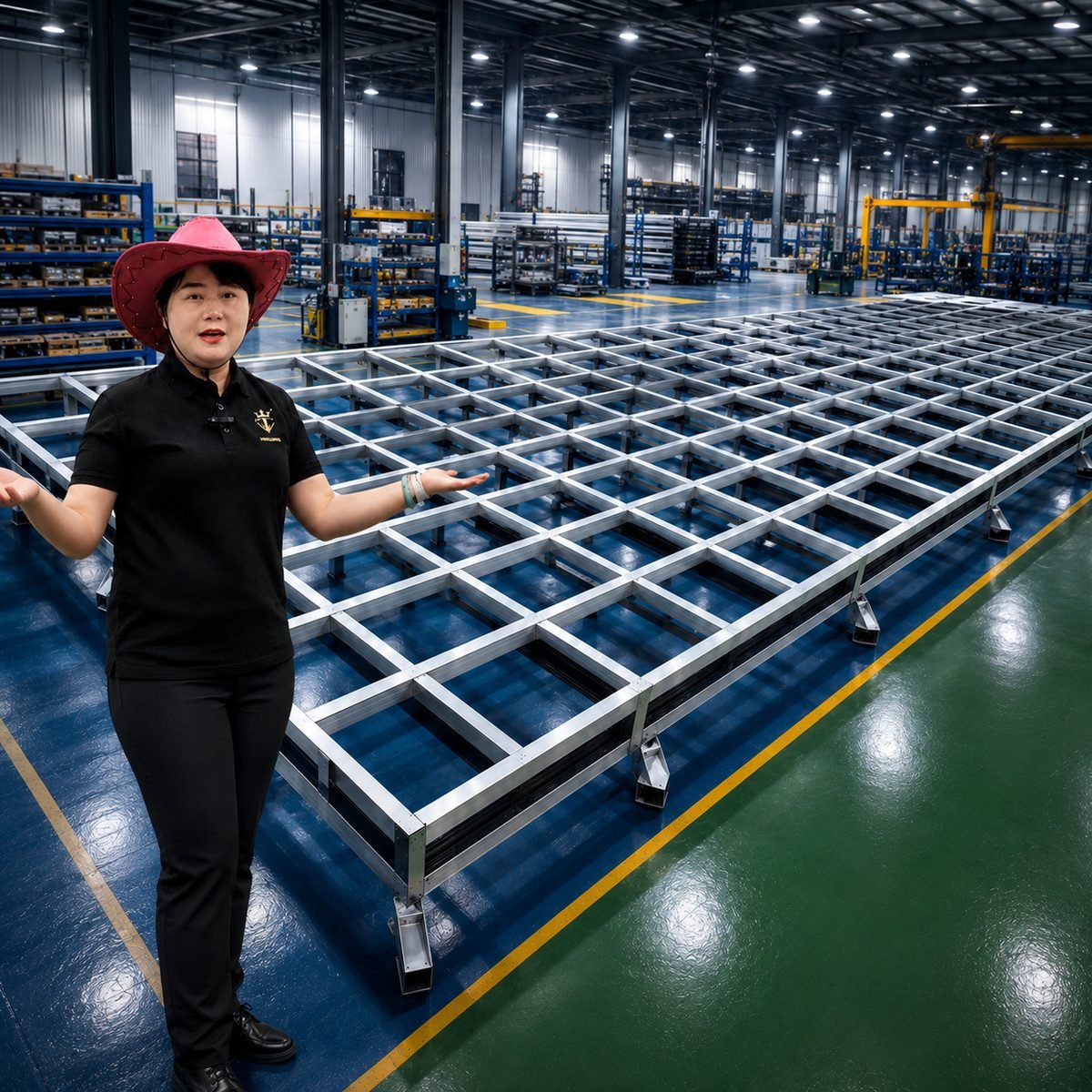
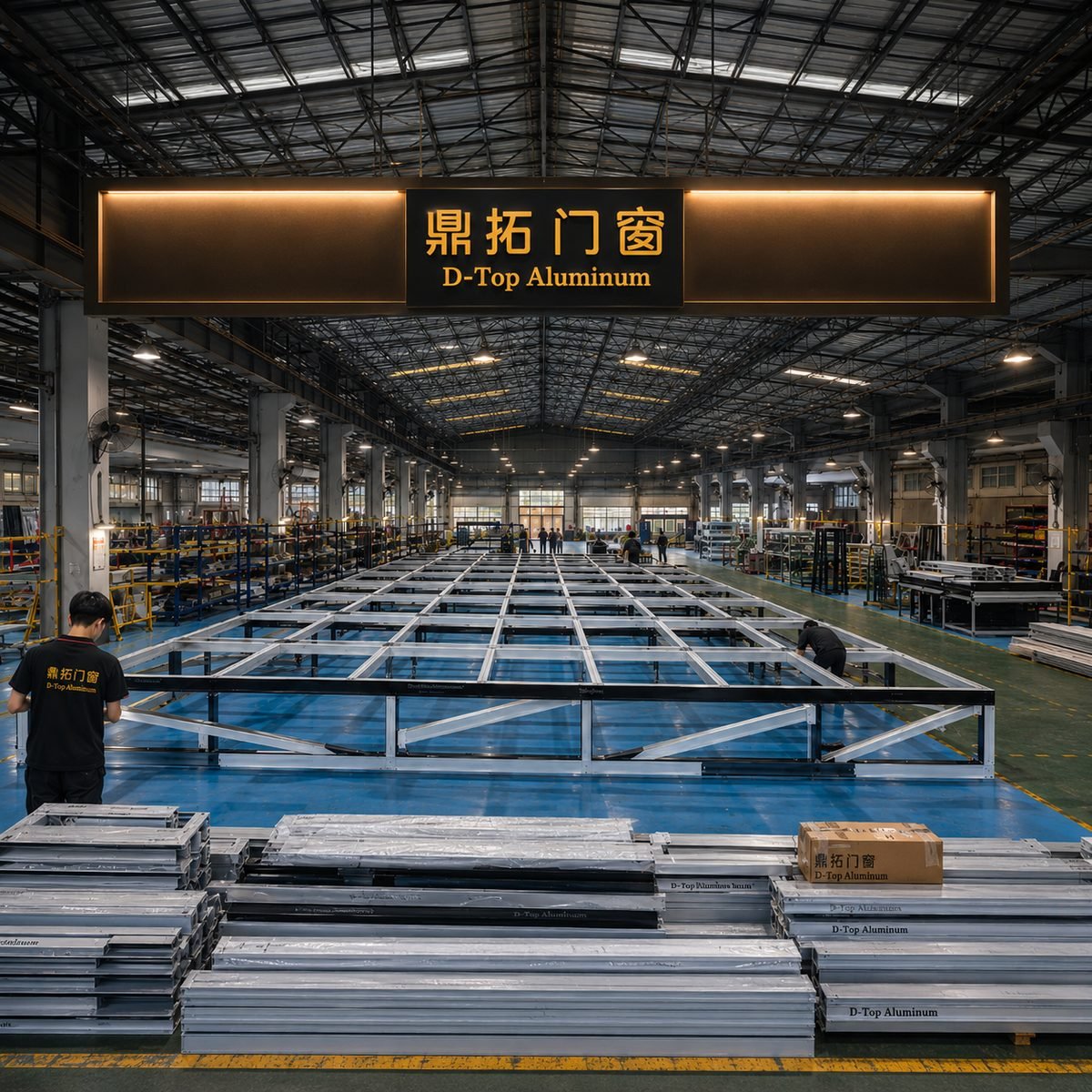
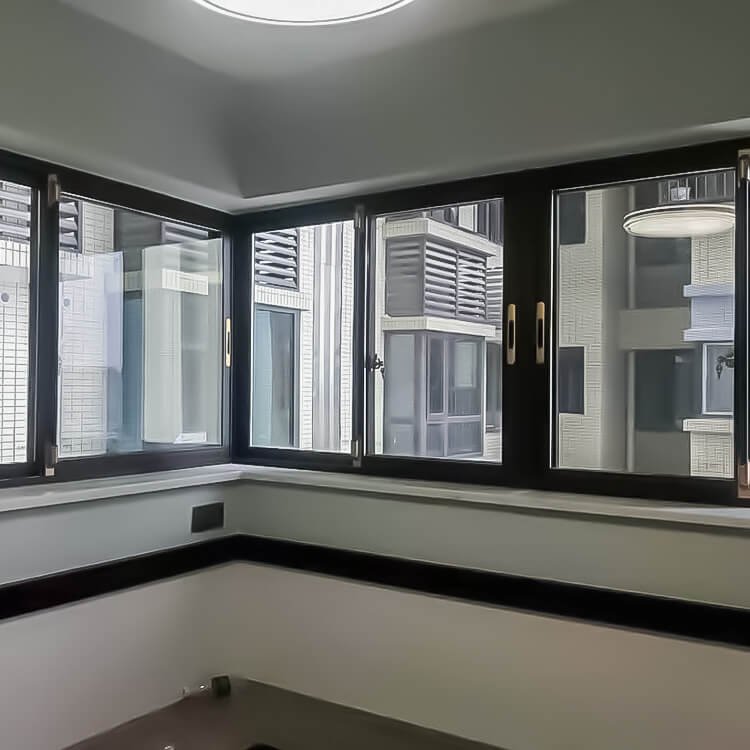
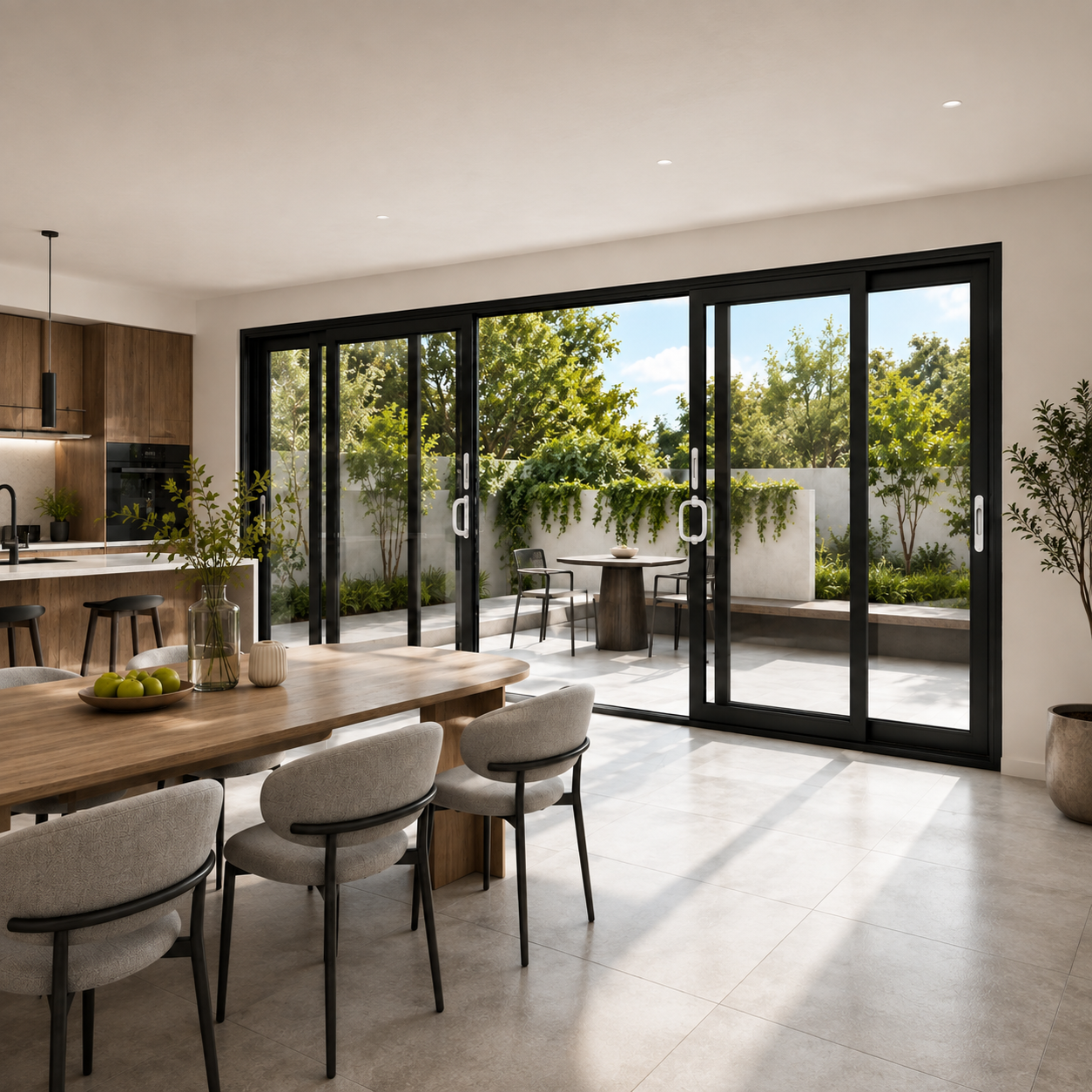
20,000㎡ Modern Production Base
Fortor Security Door Co., Ltd. operates state-of-the-art aluminum profile cutting, machining, thermal break crimping, and assembly workshops in Guangdong, China. All orders are manufactured under strict ISO 9001 management protocols.
- ✓ 100% In-House Profile Cutting & Assembly
- ✓ Pre-Shipment Trial Assembly & Fit Inspection
- ✓ Custom Anodized, Powder-Coated & Wood Grain Finishes
- ✓ Factory Direct Pricing for B2B Importers & Contractors
Frequently Asked Questions by Commercial Buyers
Answers to common technical, shipping, customization, and certification questions asked by real estate developers, contractors, and door importers.
Ready to Request a Technical Project Proposal & Factory Quote?
Share your architectural drawings, door schedules, or opening dimensions with our engineering team for detailed CAD shop drawings, thermal calculations, and competitive factory-direct pricing.