Certified High-Performance Pivot & Luxury Entry Doors
Explore our factory-direct CE-certified entry doors custom-engineered for residential villas, commercial landmarks, and luxury hospitality developments across Japan.
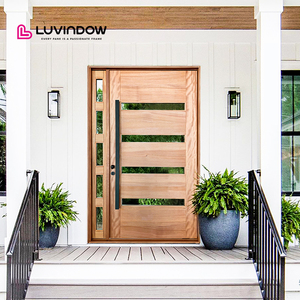
American Wooden Main Door Teak/Oak Commercial Pivot Entry Door
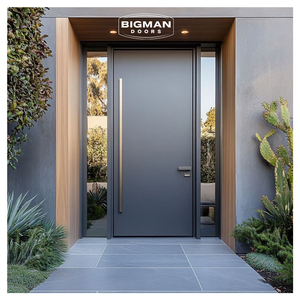
Modern Minimalist Dark Grey Security Heavy Metal Pivot Door
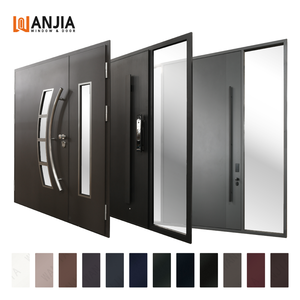
Modern Design Front Main Entrance Aluminum Security Door
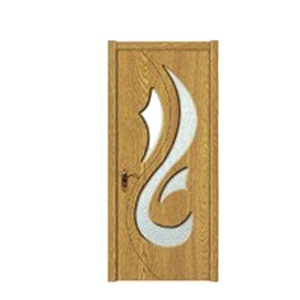
Architectural Grade Modern Solid Composite Interior Entry Door
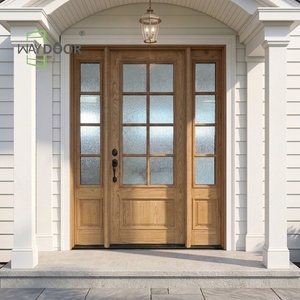
African Mahogany / Red Oak Double Sidelight Hardwood Entry Door
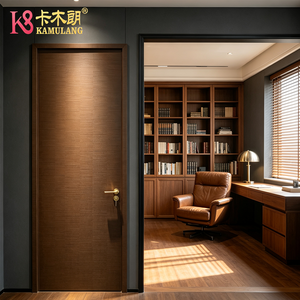
Scratch-Resistant Bamboo Composite Soundproof Hotel Lobby Door
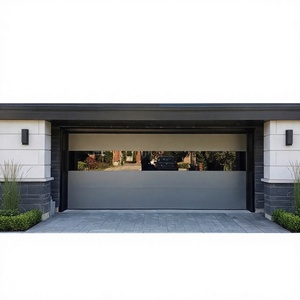
Electric Automated Segmented Frameless Glass Villa Entry System
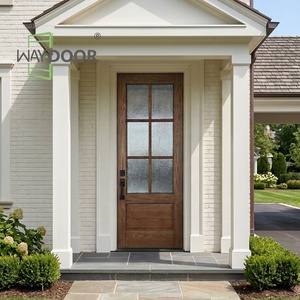
Customized Soundproof Solid Wood Exterior Door with 6 Glass Panels
Architectural Paradigm Shifts: The Rise of Pivot Entry Door Systems in Japanese Architecture
In contemporary Japanese architecture—spanning high-end residential developments in Minato-ku, Tokyo, to luxury timber-frame villas in Karuizawa and modern commercial precincts in Osaka—the entrance portal has evolved far beyond a simple security barrier. It serves as a spatial transition node that fuses traditional Japanese Genkan (玄関) interior ethics with bold modern minimalism. Pivoting entry doors have gained unprecedented momentum among Japanese general contractors, architectural design firms, and real estate developers due to their ability to accommodate massive architectural spans without cluttering interior entry thresholds.
Unlike conventional side-hinged doors that exert concentrated torsional stress on vertical jambs, modern heavy-duty pivot doors operate on offset top and bottom pivot pins. This engineering dynamic transfers leaf weight directly to the structural slab, enabling opening leaf widths exceeding 1,500mm to 2,500mm and heights up to 4,000mm. However, specifying pivot doors for the Japanese archipelago requires navigating stringent environmental and structural conditions: extreme seismic shear forces, severe coastal typhoon wind pressures (JIS A 4706 standards), and stringent thermal efficiency mandates governed by Japan's Zero Energy House (ZEH) energy conservation codes.
CE Certification & Japanese Building Standard Law (BSL) Structural Synergy
For international procurement managers, real estate developers, and Japanese importers, purchasing factory-direct CE-certified entry door systems offers a verified guarantee of mechanical durability, safety under impact, and material transparency. The European Standard EN 14351-1 (Windows and doors product standard) closely aligns with and frequently exceeds the performance metrics mandated by the Japanese Building Standard Law (BSL).
As an established OEM/ODM manufacturer operating a 20,000㎡ production facility, Fortor Security Door Co., Ltd. integrates advanced European mechanical hardware—such as DormaKaba, Geze, and FritsJurgens heavy-duty hydraulic floor springs—with thermal break aluminum extrusions (6063-T6 alloy) and kiln-dried engineered solid hardwoods. This structural harmony ensures that our pivot entry doors absorb multi-directional seismic drift during earthquakes while retaining watertightness and airtightness under typhoon conditions.
| Performance Parameter | CE Standard (EN 14351-1) | Japanese Standard (JIS A 4706) | Fortor Pivot Door Technical Specification |
|---|---|---|---|
| Structural Wind Resistance | Class C5 (≥ 2000 Pa) | Grade S-5 (2400 Pa) | Tested up to 3000 Pa ( reinforced internal steel ribbing ) |
| Water Tightness | Class 9A (600 Pa) | Grade W-5 (500 Pa) | EPDM Quad-gasket system + automatic drop-down bottom seal (650 Pa) |
| Air Permeability | Class 4 (600 Pa) | Grade A-4 (Smallest infiltration) | Air Leakage < 0.05 m³/(h·m²) with pressurized offset seals |
| Thermal Transmittance (U-Value) | U ≤ 1.2 W/(m²·K) | ZEH Rating (U ≤ 1.6 W/m²·K) | Polyamide PA66 Thermal Break Profile (U = 1.1 - 1.3 W/m²·K) |
| Operating Durability | Grade 8 (500,000 cycles) | JIS Mechanical Cycle Test | Hydraulic floor spring rated for 1,000,000 operational cycles |
Localized Application Scenarios Across Japanese Urban & Regional Projects
Understanding regional microclimates in Japan is vital for specifying the appropriate pivot entry door configuration. From snow-heavy regions in Hokkaido to coastal high-corrosion zones in Okinawa, pivot systems must be tailored to exact site conditions.
1. Tokyo & Osaka Modern Urban Luxury Residences
In dense metropolitan centers where architectural footprints are compact yet luxurious, pivot entry doors maximize clear opening space while providing a striking facade statement. Integrated smart access control systems—compatible with Japanese RFID frequencies (FeliCa), Japanese smart locks (Panasonic/Yale), and biometric fingerprint sensors—allow seamless touchless entrance without sacrificing anti-theft security.
2. Kyoto & Nara Modern-Traditional Villa Fusion
Combining traditional Japanese aesthetic elements (such as horizontal timber slats and subtle dark oak or teak stains) with modern structural aluminum framing allows architects to honor regional heritage while delivering modern thermal efficiency. Our CE-certified solid wood composite pivot doors prevent timber warping under high ambient summer humidity in Kyoto.
3. Coastal Typhoon Zones (Shizuoka, Okinawa, Kyushu)
Coastal developments require heavy-duty fluorocarbon (PVDF) anodized aluminum finishes that resist airborne salt spray corrosion. Multi-point perimeter locking bolts and double-laminated storm glass ensure that high hurricane-force wind pressure and driving torrential rain cannot break structural seals or flood interior Genkan spaces.
4. Hokkaido & Tohoku Cold-Climate ZEH Projects
In sub-zero northern climates, thermal bridging in entry doors can cause interior condensation, frost accumulation, and frame binding. Fortor’s high-performance thermal break pivot doors incorporate polyamide PA66 thermal barriers and argon-filled, Low-E triple glazing to achieve U-values compliant with Japan's strictest ZEH insulation standard (Region 1 & 2 guidelines).
Localized Architectural Trends Driving Pivot Door Demand in Japan
The Japanese building envelope industry is experiencing significant changes driven by demographic shifts, environmental regulation, and luxury residential real estate investment:
- Barrier-Free Universal Design (バリアフリー): Traditional raised threshold entryways are increasingly being replaced by flush, zero-threshold floor tracks. Advanced bottom drop-down acoustic weather seals emerge automatically when the pivot door locks, providing seamless wheelchair accessibility without compromising weather tightness.
- Zero Energy Housing (ZEH) Mandates: Japan's Ministry of Land, Infrastructure, Transport and Tourism (MLIT) aims for all newly constructed houses to meet ZEH standards by 2030. High-performance insulated thermal break doors are now mandatory for energy compliance.
- Oversized Glass & Steel Minimalist Esthetics: High-end Japanese architects favor ultra-slim aluminum sightlines paired with textured wood panels or frosted privacy glass sidelights to maximize natural lighting in the entryway.
- Integrated Smart Home Connectivity: Automated motorized pivot operators synchronized with smart home hubs (Apple HomeKit, Google Assistant, or Japanese home automation ecosystems) allow remote access verification and auto-closing functions for elderly residents or luxury homeowners.
Why Japanese Developers & Contractors Partner with Fortor Security Door Co., Ltd.
As a leading Chinese custom door and window manufacturer with over 17 years of dedicated export experience, Fortor Security Door Co., Ltd. serves B2B clients in over 30 countries. Our 20,000 square meter state-of-the-art production facility in Guangdong, China, houses computerized CNC profile machining centers, precision glass cutting lines, and dedicated assembly bays.
In-House Manufacturing
We do not outsource profile cutting, thermal crimping, assembly, or testing. Every door order is built in-house for complete quality control.
Full Customization
Custom door sizes, custom wood species (Teak, Mahogany, Oak, Bamboo), powder coating RAL colors, anodized textures, and hardware integration.
Engineered Testing
Products tested to NFRC, AS 2047, CSA, and CE EN 14351-1 standards, ensuring full compliance with Japanese BSL structural codes.
100% Pre-Shipment Trial Assembly
Every custom pivot door is completely assembled in our factory to inspect hydraulic pivot alignment, lock tolerance, and weather sealing before crating.
Heavy-Duty Export Packaging
Multi-layered export packing: protective film, corner guards, honeycomb cardboard, and fully enclosed IPPC-certified plywood crates for ocean shipping to Japan.
Comprehensive Logistics Support
Direct FCL/LCL ocean freight arrangements to major Japanese container ports including Yokohama, Tokyo, Osaka, Kobe, and Nagoya.
Frequently Asked Questions by Japanese Importers & Contractors
Clear answers regarding structural compliance, shipping logistics, customization, and thermal performance for Japanese building projects.
Plan Your Next High-Performance Entryway Project with Fortor
Whether you require custom CAD elevation drawings, CE test reports, or an accurate wholesale quotation for an upcoming development project in Japan, our engineering specialists are ready to assist.