Luxury Residential & Hotel
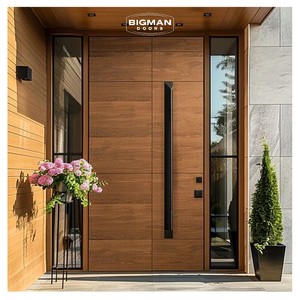
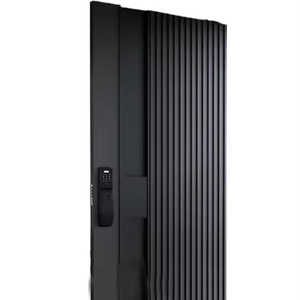
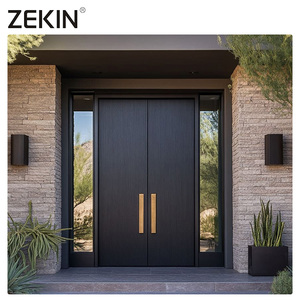
Solid Walnut Front Entry Door with Double Sidelight
Modern waterproof structural design with insulated laminated sidelights, engineered for humid tropical environments and prestige grand entrances.
Explore our premium architectural lineup built to exceed Brazilian structural stability, acoustic isolation, and anti-burglary demands. Every unit is manufactured with certified thermal breaks, multi-point locksets, and marine-grade surface coatings.
| Performance Indicator | Brazilian Standard Reference | Fortor Factory Spec | Standard Local Market Offering |
|---|---|---|---|
| Structural Wind Load Resistance | ABNT NBR 10821-2 (Class 5 Criteria) | Over 2,500 Pa (Hurricane/Gale Tested) | 1,200 – 1,500 Pa |
| Salt-Spray Corrosion Resistance | ABNT NBR 8094 / ASTM B117 | Qualicoat Class 2 / 3,000+ Hrs Neutral Salt Spray | Under 1,000 Hrs (Pitting prone) |
| Acoustic Isolation (Rw Rating) | ABNT NBR 15575-4 Performance | Rw = 38 dB to 44 dB (Composite Core) | Rw = 24 dB to 28 dB (Hollow Frame) |
| Anti-Burglary Multi-Point Security | European EN 1627 RC3 / Brazilian Equivalent | Italian/German Perimeter 7-Point Interlock | Single-bolt standard mortise lock |
| Thermal Heat Transmission (U-Value) | Thermal Zone Level ZB1–ZB8 (NBR 15220) | U-Value ≤ 1.6 W/(m²·K) with PA66 Break | No thermal barrier > 4.8 W/(m²·K) |
Brazil represents a complex array of architectural requirements—from torrential tropical downpours in Bahia and Pernambuco to hyper-saline winds in Rio de Janeiro, alongside intense security needs in private residential enclaves.
Gated luxury developments across São Paulo (Barueri, Campinas) demand grand oversized pivot entries (up to 4.5m high) pairing armored anti-theft multi-bolt systems with motorized biometric locks, guaranteeing both monumental prestige and peace of mind.
Security Grade RC3/RC4Hyper-saline sea spray, coastal gale-force wind suction, and intense solar radiation require our 25-micron anodized aluminum profiles, marine fluorocarbon finishes, and heavy-duty 316 stainless steel pivot shafts that eliminate coastal oxidation.
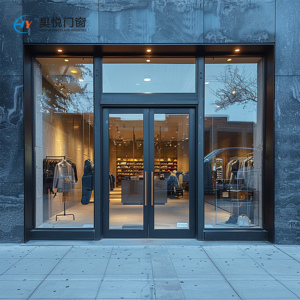
Marine-Grade AnodizedCommercial shopping centers, corporate headquarters, and flagship retail spaces require continuous-duty impact glass doors that provide sound insulation (Rw 42dB) against busy metropolis avenue decibels while supporting seamless smart-card card readers.
High-Traffic AutomatedExtreme thermal contrasts between midday blistering sunlight and nocturnal breezes in Brasília and Goiânia necessitate advanced polyamide thermal break profiles (PA66GF25) to stop solar heat conductivity into air-conditioned interior living zones.
Thermal Break PA66Analyzing key structural shifts observed among Brazil's leading architects, engineering contractors (construtoras), and high-end developers.
The contemporary Brazilian modernist aesthetic heavily favors imposing pivot doors extending from floor to ceiling (3,000mm to 5,000mm). Traditional timber doors at these dimensions warp uncontrollably due to tropical humidity fluctuations. High-strength extruded aluminum structures with honeycomb composite stabilization now dominate luxury residential blueprints across São Paulo and Curitiba.
Unlike obvious iron security grates that diminish curb appeal, affluent Brazilian homeowners demand invisible armor. Modern entry doors now integrate internal bullet-resistant manganese plates (ABNT NBR 15000 standard), anti-jemmy perimeter flanges, and concealed multi-point gearboxes operated via 3D facial recognition or smart home automation.
Brazilian lifestyle focuses intensely on fluid transitions between interior living rooms and expansive gourmet verandas (varandas gourmet). Demand has skyrocketed for concealed drainage sub-sill designs and barrier-free flush thresholds that resist driving horizontal rain while maintaining effortless wheelchair and family accessibility.
As an authentic manufacturer with a 20,000㎡ industrial base in Guangdong, Fortor Security Door Co., Ltd. controls raw profile extrusion, CNC machining, glass lamination, robotic coating, and international container packaging under one rigorous quality assurance regime.
Unlike trading middle-agents, we manufacture 100% of our door and window systems in-house. Equipped with 5-axis CNC machining centers, automated hydraulic presses, and advanced precision corner-crimping units.
From custom rough openings (vãos livres) to specificRAL colors, wood-grain sublimations, Italian pivot bearings, and smart locks. We supply full CAD and BIM shop drawings for architect sign-off before cutting single profiles.
Our export lines undergo stringent structural deflection, air filtration, and cyclic water resistance tests, providing developers with verifiable engineering dossiers necessary for municipal licensing and insurance compliance.
High-density polyurethane, mineral wool, or aerospace honeycomb sandwich infills combined with polyamide thermal breaks minimize thermal transmission and shield interiors from heavy acoustic pollution.
To withstand trans-equatorial maritime freight across the Atlantic to Brazilian ports, every unit is vacuum-sealed, edge-guarded with rigid corner buffers, and enclosed in heat-treated, fumigated plywood crates compliant with ISPM 15.
Engineers provide end-to-end guidance from initial opening estimation to on-site assembly sequencing drawings, exploded hardware installation diagrams, and swift DHL dispatch of any replacement hardware.
Take an unedited look at our assembly lines, automated profile handling, and export logistics stages where our custom entry doors are fabricated.
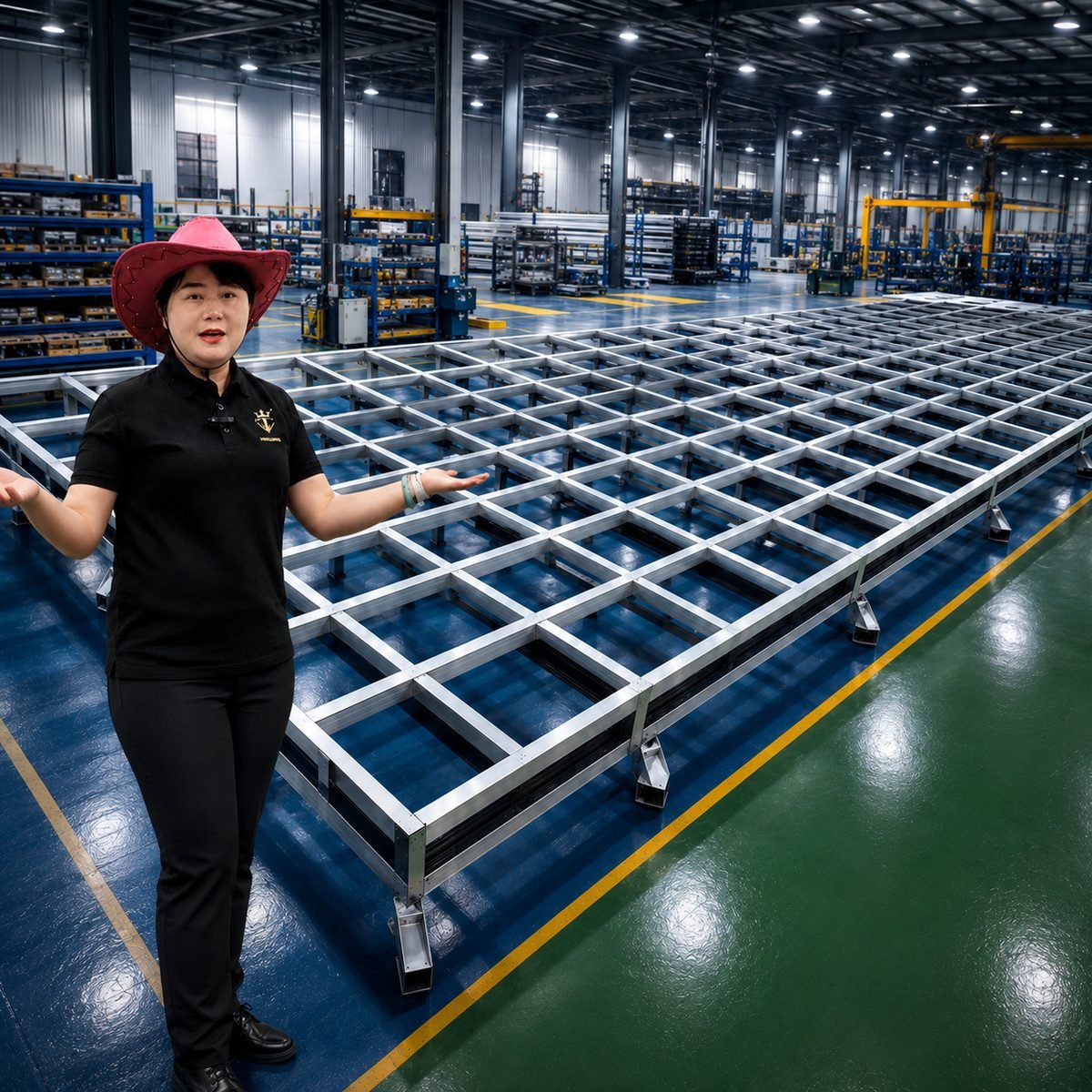
Multi-axis automated saws ensuring 0.1mm tolerance on oversized pivot frames and miter joints.
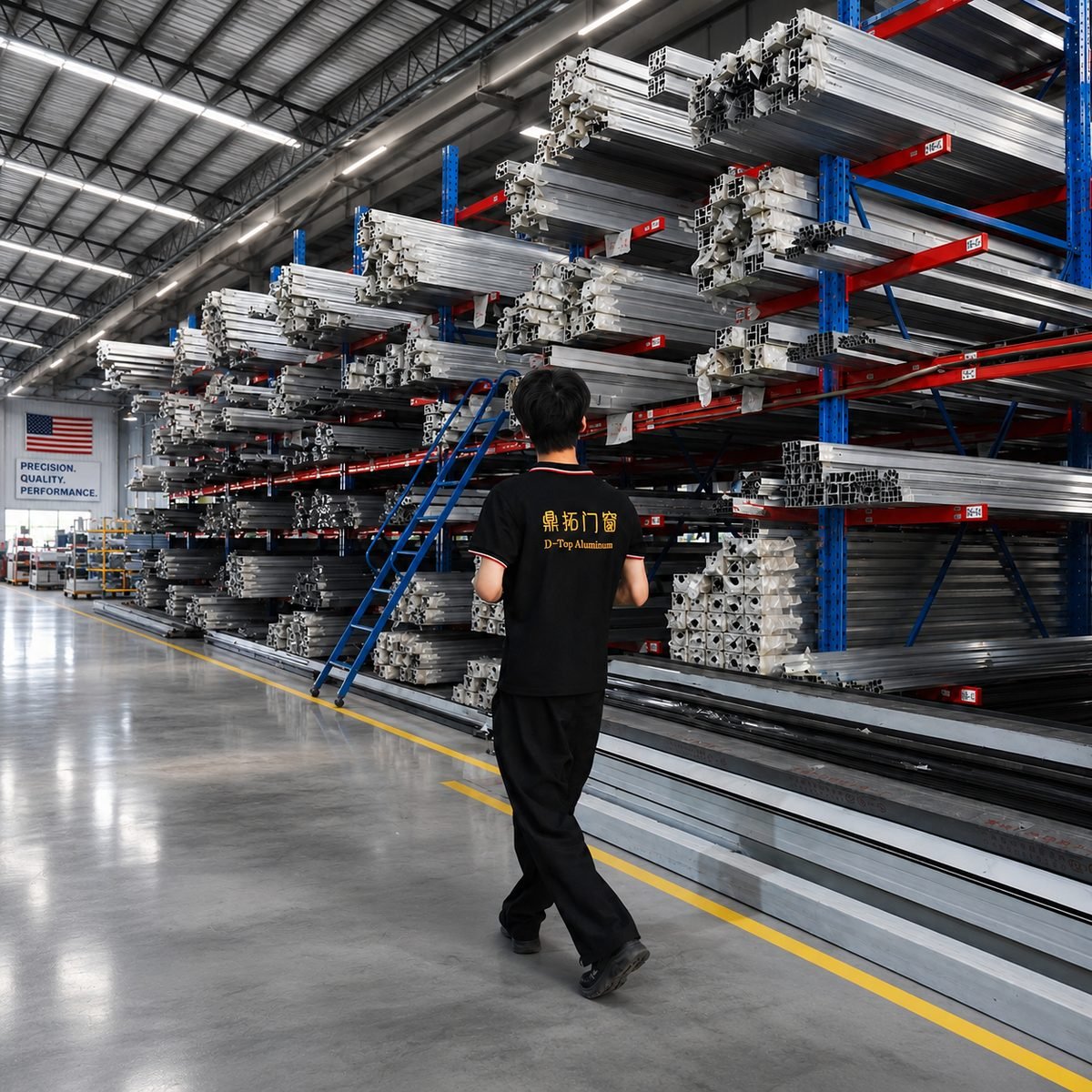
Master fitters installing heavy-duty pivot bearings, perimeter gaskets, and multi-point deadbolts.
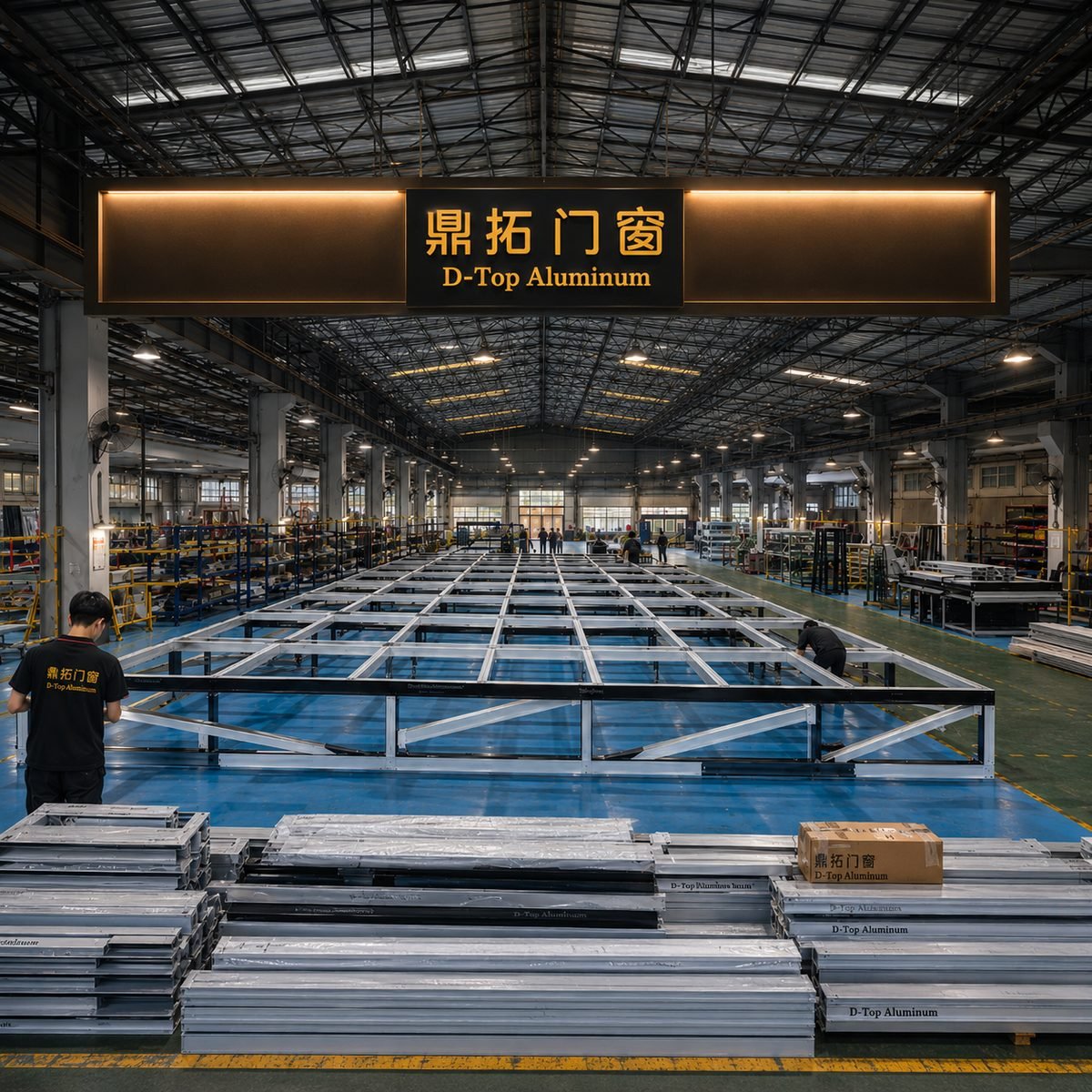
Reinforced maritime wooden crates with desiccant packs protecting doors across maritime trade routes.
Essential guidance addressing customs clearance, port transit, structural building regulations, and project delivery to Brazil.