High-Performance Entrance & Interior Door Systems
Explore our top-tier architectural door solutions tailored for Ghana's tropical climate, offering high thermal efficiency, anti-corrosion finishes, and heavy-duty structural integrity.
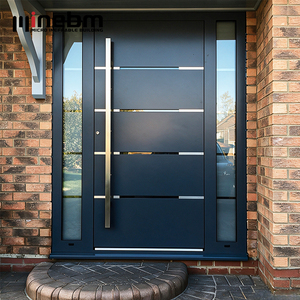
New Modern Italy Design Hot Sale Metal Front Entry Security Door
Contact Us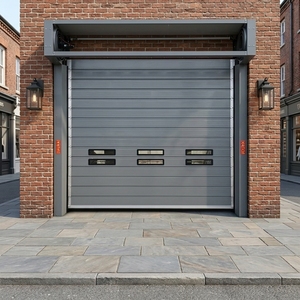
Heavy Duty Aluminum Spiral High Speed Windproof Entrance Door
Contact Us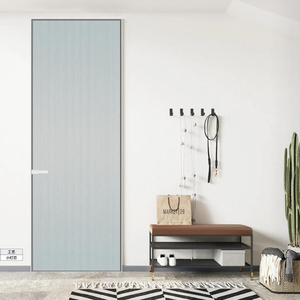
Anti-Corrosion Wood Grain Finish Aluminum Glass Villa Door
Contact Us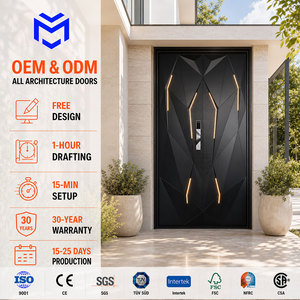
Custom French Style Metal Aluminium Entry Soundproof Security Door
Contact Us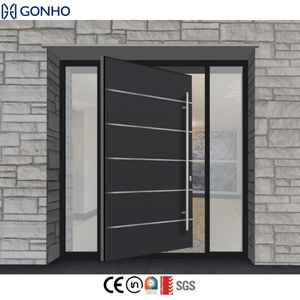
Modern Waterproof Swing Aluminium Exterior Pivot Glass Door
Contact Us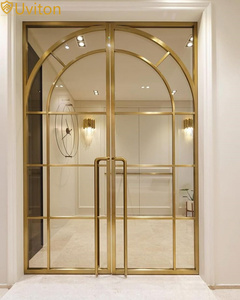
Luxury Brass Hinge Entry Double Glass Front Door with Security Lock
Contact Us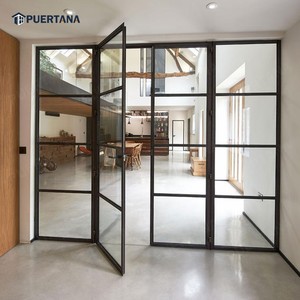
Modern Black Industrial Studio Clear Glass Aluminium French Doors
Contact Us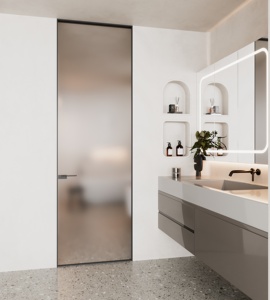
Modern Style Frameless Aluminium Glass Pocket Invisible Sliding Door
Contact UsArchitectural White Paper: The Evolution of Glass Pocket Doors in Ghana’s Real Estate Boom
Ghana’s architectural landscape, particularly within rapidly growing metropolitan regions such as Greater Accra (East Legon, Cantonments, Airport Residential Area, Labone) and Kumasi (Asokwa, Ahodwo), is undergoing a dramatic structural evolution. Luxury residential developments, high-end commercial office towers, and boutique hospitality spaces are increasingly replacing traditional solid masonry partitions with high-performance Glass Pocket Door Systems. Modern Ghanaian developers and architects require architectural envelope solutions that maximize usable floor area, optimize natural interior day-lighting, and facilitate seamless indoor-outdoor tropical living without compromising security or structural durability.
Unlike standard surface-mounted sliding doors that leave exposed door panels along adjacent wall surfaces, a engineered glass pocket door slides smoothly into a reinforced concealed cavity wall assembly. This engineering feat frees up 100% of adjacent wall and floor space, creating completely unobstructed architectural transitions. However, supplying glass pocket doors for the West African market requires deep engineering expertise to withstand localized microclimatic challenges—ranging from severe coastal salt-spray corrosion along the Gulf of Guinea to intense ultraviolet exposure and airborne dust infiltration during the Harmattan season.
SEO Value & Engineering Insight: Fortor Security Door Co., Ltd. supplies fully customized, marine-grade aluminum frame glass pocket door systems engineered specifically for Ghana's tropical climate. By integrating precision soft-closing concealed tracks, thermal break structural profiles, and high-tensile tempered double glazing, our systems meet international standards including NFRC, AS 2047, and CSA certifications.
Marine-Grade Anti-Corrosion Finish
Specially treated high-micron anodized or PVDF powder-coated aluminum extrusions resist coastal salt-air pitting along Accra's beachfront developments.
Harmattan Dust & Water Sealing
Engineered multi-layer brush gaskets and pneumatic perimeter compression seals block fine red silica dust and driving tropical rainwater gusts.
Space Optimization & Acoustic Control
Concealed cavity tracks save up to 12% of usable interior space while double Low-E acoustic insulated glass delivers sound attenuation up to STC 42dB.
Climatic Engineering & Structural Adaptation for the Ghanaian Microclimate
Building materials deployed in West Africa face harsh atmospheric degradation factors. Importing standard unrated interior doors into Ghana frequently results in frame warping, roller track rust, seal degradation, and moisture lock inside door cavities. As a specialized OEM/ODM factory supplier, Fortor Security Door Co., Ltd. incorporates targeted engineering enhancements into every glass pocket door system shipped to Tema Port:
1. Anti-Corrosion Metallurgy & Surface Treatment
The humidity levels in coastal cities like Accra and Cape Coast often exceed 85%, combined with high atmospheric sodium chloride concentrations. Our glass pocket door frames utilize high-purity 6063-T6 aluminum alloy extrusions subjected to a strict pre-treatment chromating process followed by a minimum 25-micron anodized coating or 60-micron PVDF Fluorocarbon coating. This ensures zero oxidation, chalking, or blistering over decades of exposure.
2. Harmattan Season Filtration & Dust-Tight Tracks
During the Harmattan dry season (December to February), dry, dust-laden trade winds blowing from the Sahara Desert carry fine particulate matter that clogs standard door tracks and ruins roller bearings. Fortor’s glass pocket door systems feature top-hung heavy-duty stainless steel wheel carriages enclosed inside a sealed top track, paired with self-cleaning bottom guide pins and high-density nylon brush seals that keep the pocket cavity entirely dust-free.
3. Thermal Insulation & HVAC Energy Reduction
With electricity costs being a critical operational consideration for commercial and residential property managers in Ghana, maintaining interior thermal envelope integrity is vital. Our pocket doors utilize polyurethane polyamide thermal break profile barriers combined with double-glazed 6mm+12Ar+6mm Low-E glass filled with Argon gas. This configuration reduces solar heat gain coefficient (SHGC) to below 0.28, cutting indoor air conditioning energy usage by up to 32%.
Engineering Specifications Matrix for Ghana Project Tenders
The following technical parameters outline the structural and optical parameters of Fortor Glass Pocket Door Systems available for export order specification:
| Technical Parameter | Standard Commercial Spec | Luxury Villa High-Performance Spec | Testing Standard / Compliance |
|---|---|---|---|
| Aluminum Profile Alloy | 6063-T5 Structural Aluminum (1.6mm thickness) | 6063-T6 Heavy-Duty Profile (2.0mm–3.0mm thickness) | GB/T 5237, ASTM B221 |
| Glass Specification | 8mm / 10mm Toughened Safety Glass | 6mm Double Low-E + 12mm Argon + 6mm Tempered | SGCC, EN 12150, AS/NZS 2208 |
| Surface Finish Coating | AkzoNobel Powder Coat (60+ Micron) | PVDF Fluorocarbon Paint / 25-Micron Anodized | AAMA 2604 / AAMA 2605 |
| Hardware Carriages | Heavy-Duty Nylon Rollers (120kg Load per sash) | SUS316 Stainless Steel Soft-Closing Rollers (250kg) | 100,000 Cycle Tested |
| Acoustic Isolation | STC 32 dB | STC 42 dB (High Soundproofing) | ISO 10140-2 |
| Air & Water Tightness | Class 3 Air Permeability / 300 Pa Water | Class 4 Air Permeability / 600 Pa Water Resistance | AS 2047, NFRC Standard |
Localized Application Scenarios Across Ghanaian Real Estate Sectors
Architectural glass pocket door systems offer flexible spatial segmentation across diverse residential and commercial developments in West Africa:
Luxury Residential Villas & Apartment Complexes
In high-density luxury residential projects across East Legon, Cantonments, and Airport Hills, developers use pocket glass doors to separate expansive formal living rooms from open-plan kitchen dining zones. When closed, the ultra-clear double glass retains spatial openness while preventing cooking oils and spice aromas from spreading into living spaces. When retracted into the wall cavity, the home transforms into an expansive single entertaining hall.
Commercial Office Towers & Executive Boardrooms
Modern corporate offices in the Ridge Financial District and West Airport Commercial Zone demand flexible acoustic partitioning. Black industrial frame glass pocket doors allow conference rooms to seamlessly convert into open collaboration spaces. Integrated smart privacy switchable glass (PDLC) can instantly turn clear pocket door panels frosted white at the touch of a button during private board meetings.
Boutique Hotels & Beachfront Resorts
For resort projects along the coastline of Kokrobite, Ada Foah, and Busua, glass pocket doors serve as elegant balcony and patio thresholds. By retracting completely out of sight, guests enjoy unobstructed 180-degree ocean views, while reinforced stainless steel multi-point locking mechanisms ensure total perimeter security during off-peak hours.
Industrial Manufacturing Superiority: Fortor Security Door Co., Ltd.
As a premier manufacturer with over 17 years of dedicated engineering expertise, Fortor Security Door Co., Ltd. operates a state-of-the-art 20,000 square meter integrated manufacturing facility located in Guangdong, China—the world's hub for precision aluminum extrusion and architectural hardware fabrication. Unlike export trading intermediaries, Fortor maintains total vertical integration across all production stages:
- Precision CNC Profile Machining: German-built multi-axis CNC milling centers guarantee tight frame fabrication tolerances within ±0.5mm, ensuring frictionless sliding mechanics inside pocket wall cavities.
- In-House Glass Tempered & Insulating Line: Automated insulating glass processing lines with automated argon gas filling ensure long-term seal integrity without risk of internal fogging or desiccant breakdown.
- Rigorous 100% Pre-Shipment Mock-Up Assembly: Every customized glass pocket door order undergoes a complete physical frame and hardware trial assembly on our factory floor before protective crating, eliminating jobsite fitting errors in Ghana.
- Export Shipping Packaging: Reinforced fully-enclosed wooden crates with internal bubble wrap, corner protectors, and moisture-absorbing desiccant packs ensure zero damage during sea freight transit to Tema Port.
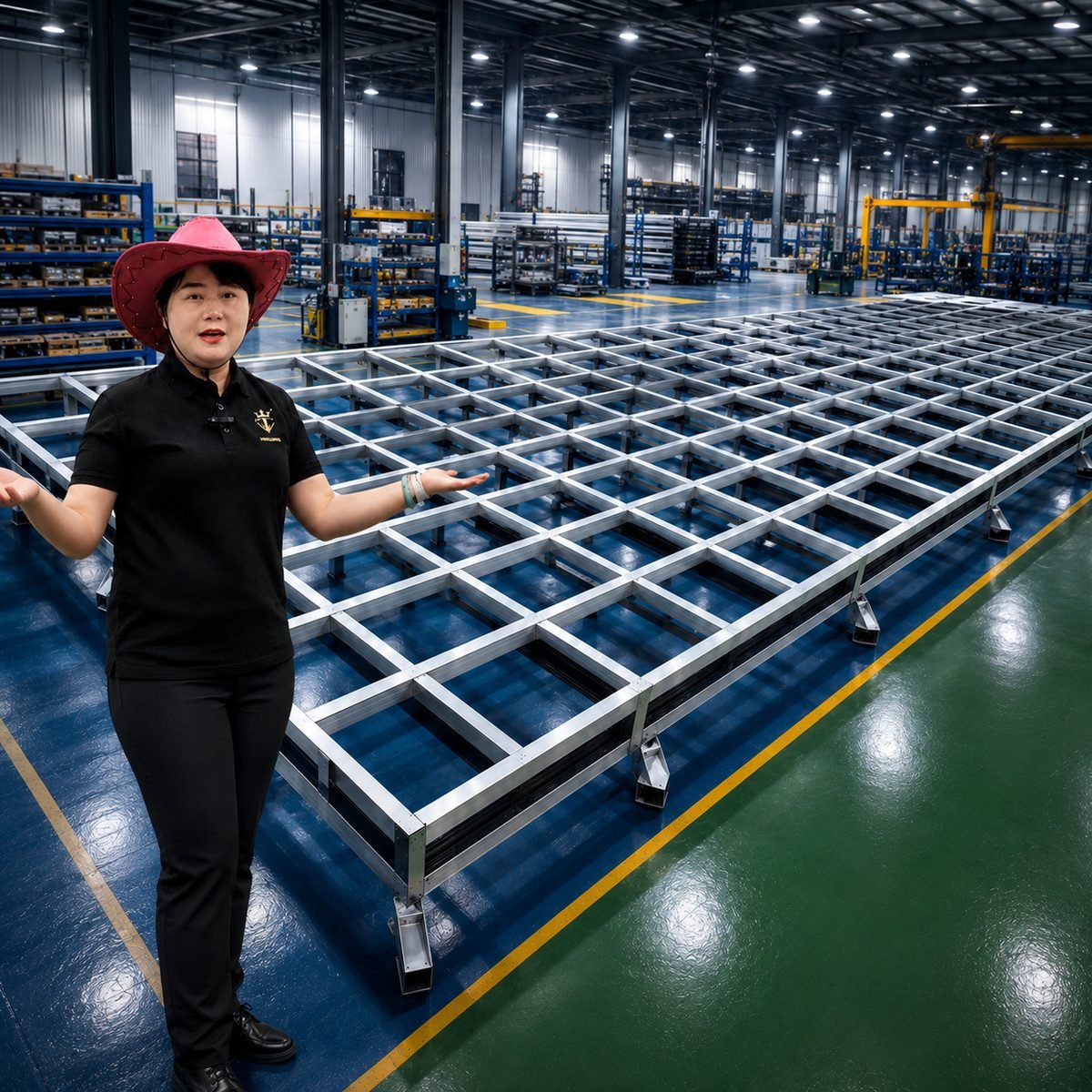
20,000㎡ Main Workshop
Integrated extrusion, machining, and system assembly facility.
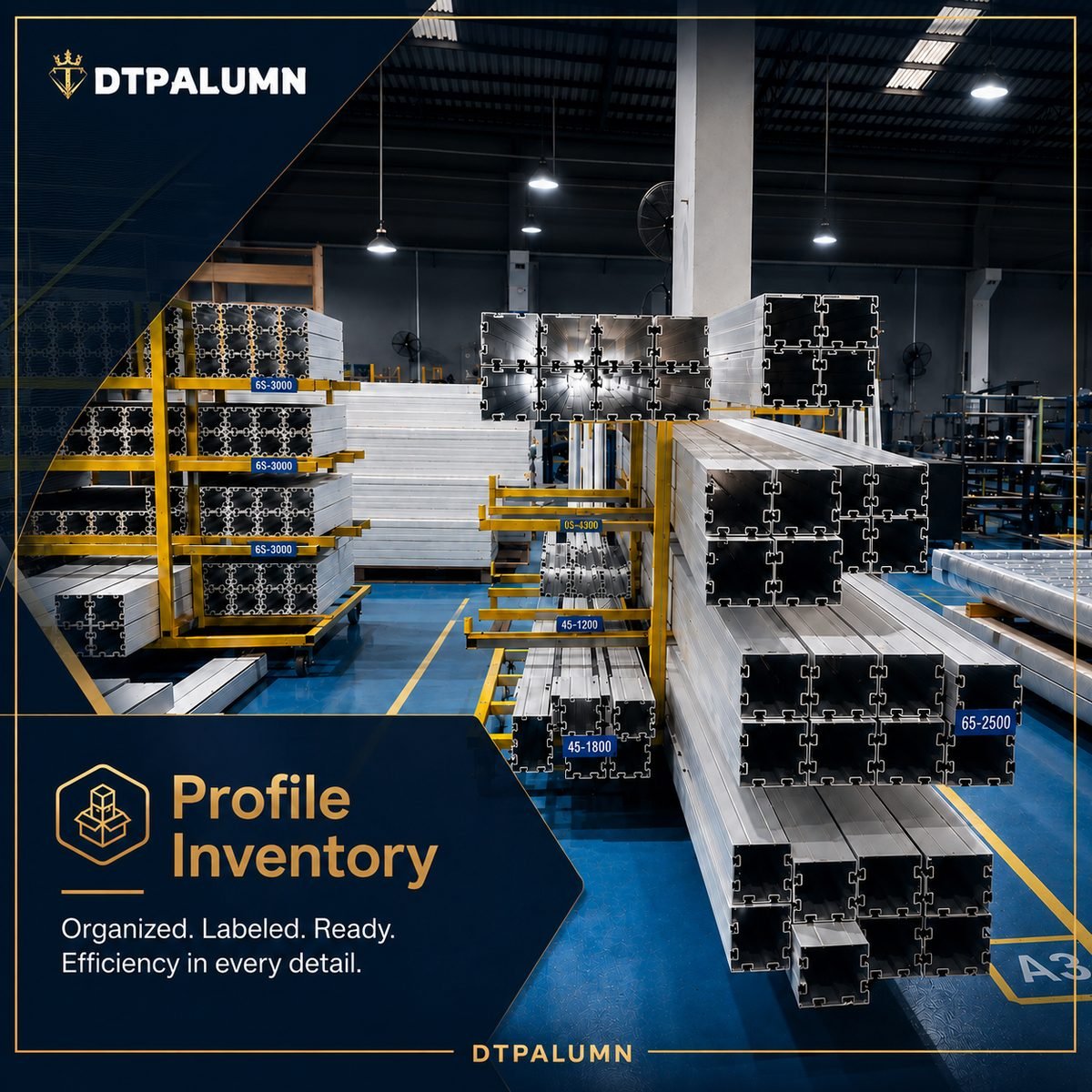
Precision Profile Processing
Automated CNC cutting ensures zero-tolerance track fitting.
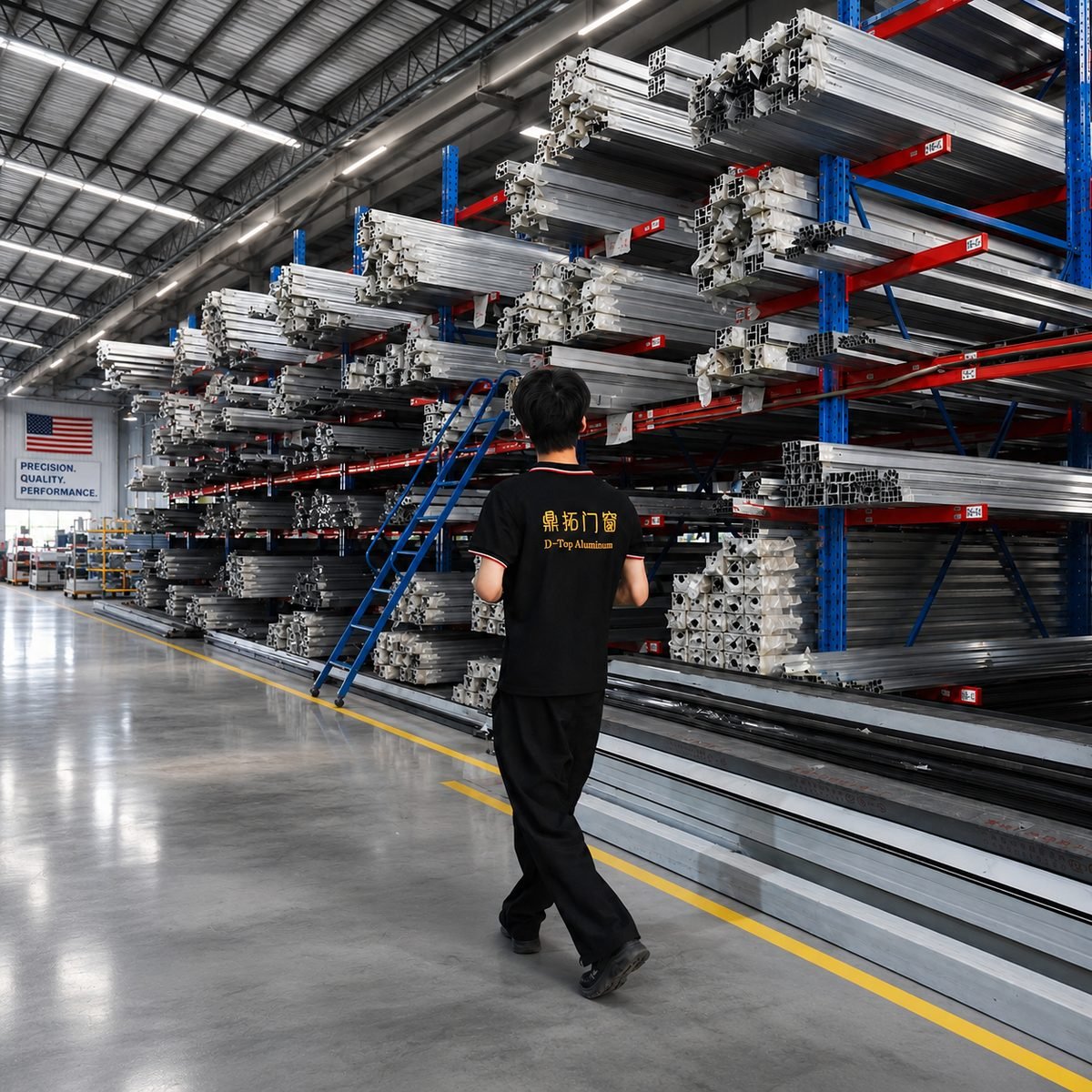
Skilled Assembly Lines
Dedicated assembly specialists for pocket and sliding systems.
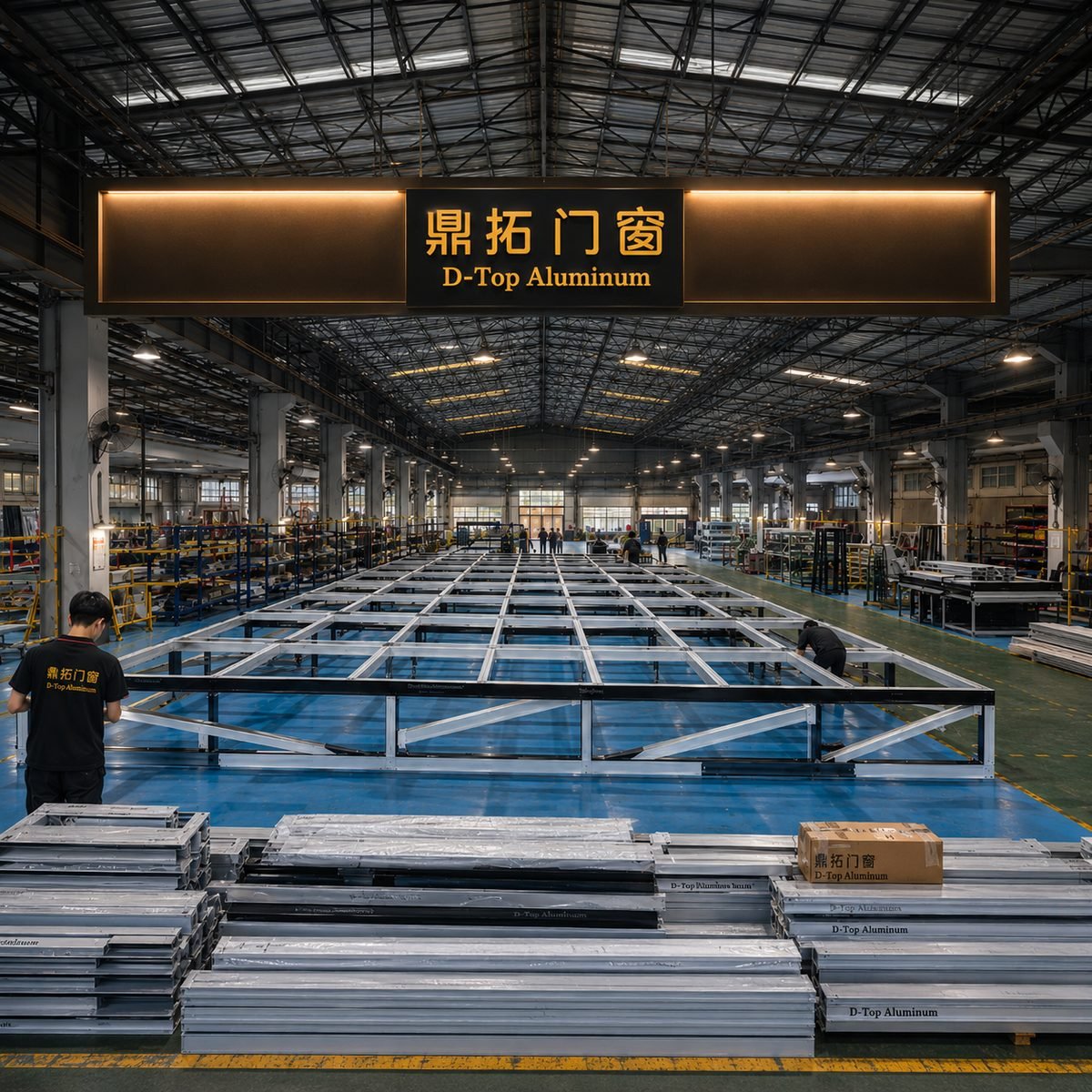
Export Container Crating
Heavy-duty protective wooden crates optimized for Tema ocean transport.
Frequently Asked Questions by Ghanaian Buyers
Clear answers covering logistics to Tema Port, customization options, cavity wall installation specifications, and payment terms for West African project tenders.